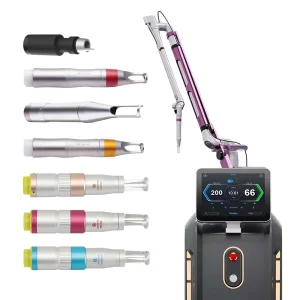
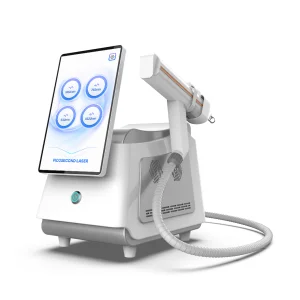
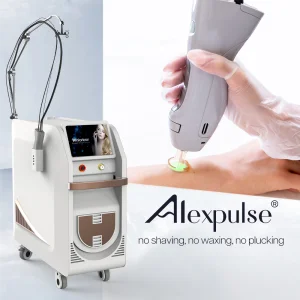
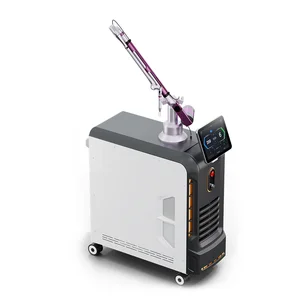
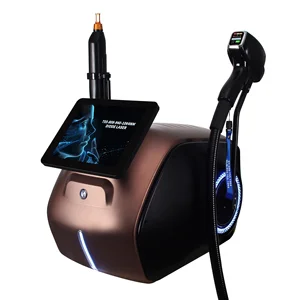
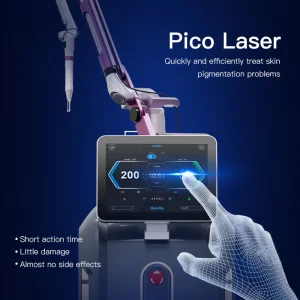
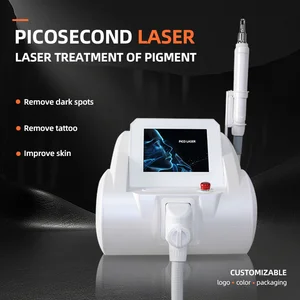
Picosecond Laser Machine Factory & Exporters

Medical-Grade Pigmentation Removal, Tattoo Clearing, and Skin Rejuvenation Solutions
15+
Years Manufacturing Excellence
80+
Exporting Countries & Regions
<350ps
Ultra-Short Pulse Width Capabilities
100%
ISO 13485 & CE Quality Checked

The Science of Picosecond Aesthetics: Photoacoustic vs. Photothermal

Traditional Q-switched lasers operate in the nanosecond range ($10^{-9}$ seconds), relying primarily on photothermal action. While effective, this creates substantial heat buildup in surrounding tissues, posing risk parameters for thermal damage and post-inflammatory hyperpigmentation (PIH), particularly in Fitzpatrick skin types IV-VI.

Modern medical picosecond technology operates in the range of $10^{-12}$ seconds. By compressing energy into an ultra-short pulse duration, we trigger the Photoacoustic Effect. Instead of heating the target pigment, the energy is delivered so rapidly that the pigment particles undergo acoustic expansion and shatter into microscopic, dust-like particles. These particles are rapidly phagocytosed and cleared by the body's lymphatic system.

Selective Photothermolysis

By delivering pulses shorter than the thermal relaxation time of melanin and ink particles, the target is destroyed selectively, safeguarding the surrounding epidermis and minimizing downtime.

Multi-Wavelength Integration

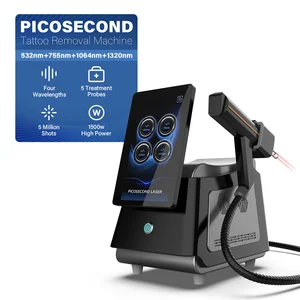
Utilizing 1064nm for deep dermal lesions, 532nm for epidermal red/orange pigments, and 755nm (Alexandrite) for high melanin absorption to manage comprehensive skin indications.

Micro-Lens Array (MLA)

Fractional handpieces concentrate energy to create Laser-Induced Optical Breakdown (LIOB) in the dermis, initiating new collagen synthesis without disrupting the outer skin layer.

Why Sourcing from China's Aesthetic Innovation Hub is Key

As the epicenter of light-based medical manufacturing, Guangdong Province houses highly developed ecosystem clusters that consolidate optics research, electrical design, and precision machining. Sourcing your medical aesthetic fleet from a dedicated China-based facility offers distinct strategic benefits:

High-End Supply Chain Integration

We source critical optical and core structural components globally, combining international engineering with cost-effective assembly. This includes imported German Heraeus flashlamps for sustained xenon discharge stability, and Korean imported 7-joint articulated arms to maintain high beam alignment consistency and minimize energy loss during light transmission.

  • Optimal beam circularity with minimal hot-spot energy variance.
  • Advanced modular designs separating water circuits from electrical systems to prevent failures.
  • Cost structures that allow international distributors to scale their profit margins up to 150-200%.

Global Certification & Standards Compliance

For international market entry, we ensure our factories comply with strict regulatory frameworks. Our clinical lasers are engineered to pass rigorous Medical CE (CE MDD/MDR) requirements, ISO 13485 quality systems, and RoHS environmental directives, ensuring your importing operations face minimal regulatory delays.

  • Standardized electrical isolation protocols for patient safety.
  • Clinical safety evaluations and tissue heat dispersal trials.
  • Factory validation documents provided for local HSA, FDA, and TGA registrations.

Inside Guangdong Habitue Beauty Co., Ltd.

Guangdong Habitue Beauty Co., Ltd. is a dedicated manufacturer of advanced aesthetic and medical energy devices in China. We focus on the R&D, fabrication, assembly, and global shipping of picosecond systems, multi-platform lasers, and skin health technologies. Based in the manufacturing hub of Guangdong, our facility operates under a rigorous quality control framework to deliver reliable, high-performance devices to clinics and distributors worldwide.

Our infrastructure supports comprehensive OEM and ODM manufacturing services. From outer shell design, color alterations, software GUI customization to advanced optics architecture design, we work with global partners to bring proprietary products to the market.

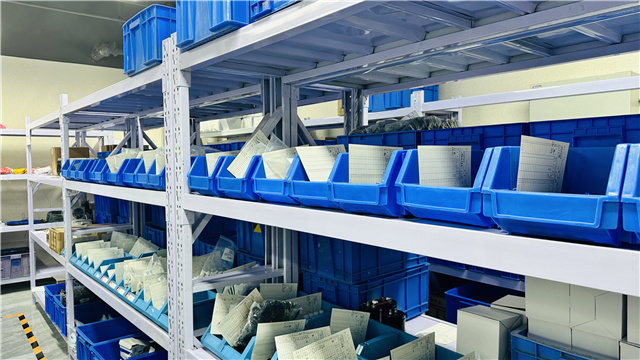
Raw materials quality inspection
Raw Materials Inspection
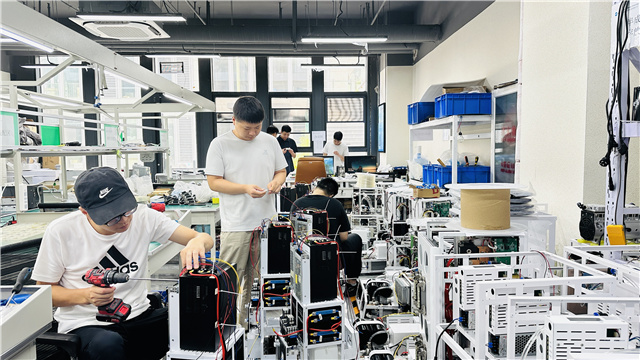
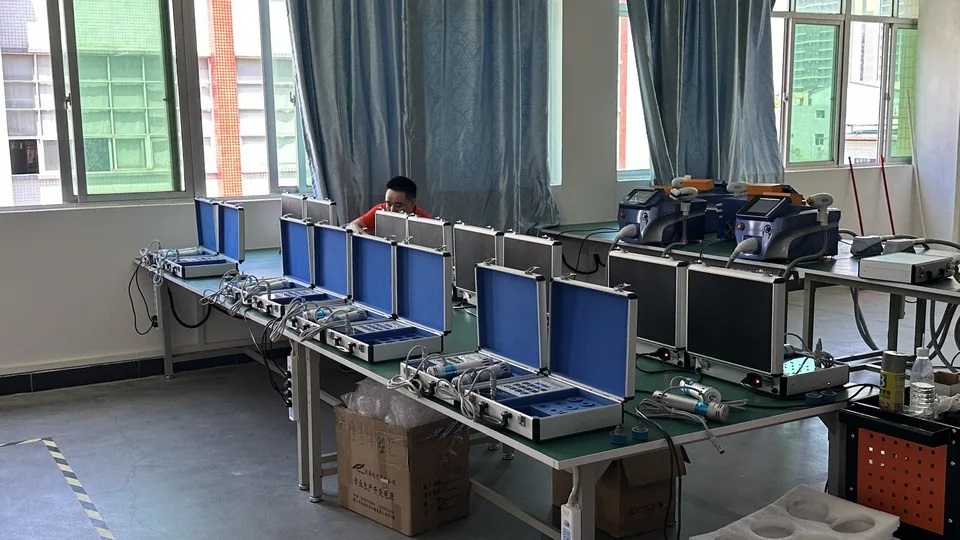
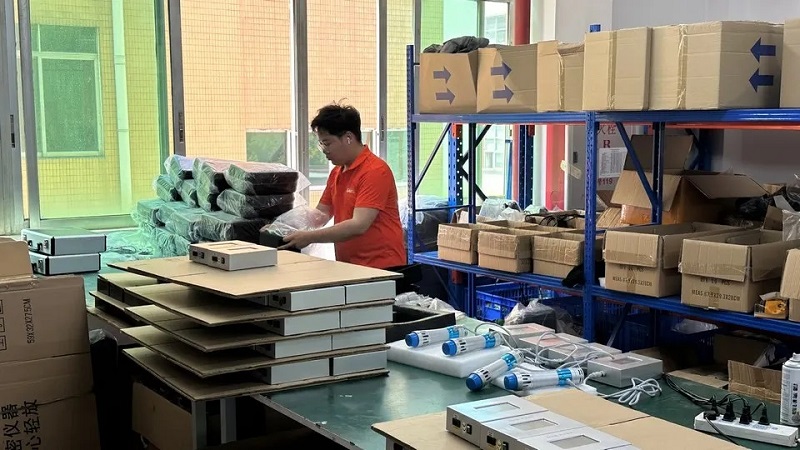
Assembly area for laser machines
Laser Device Assembly
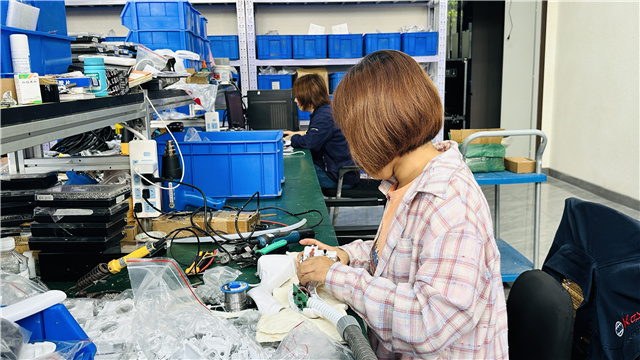
Handle assembly cleanroom
Optic Handle Assembly
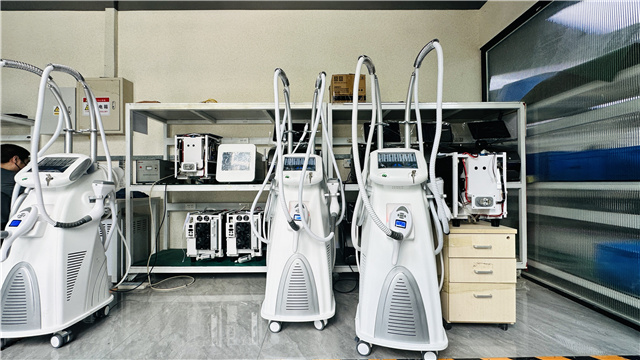
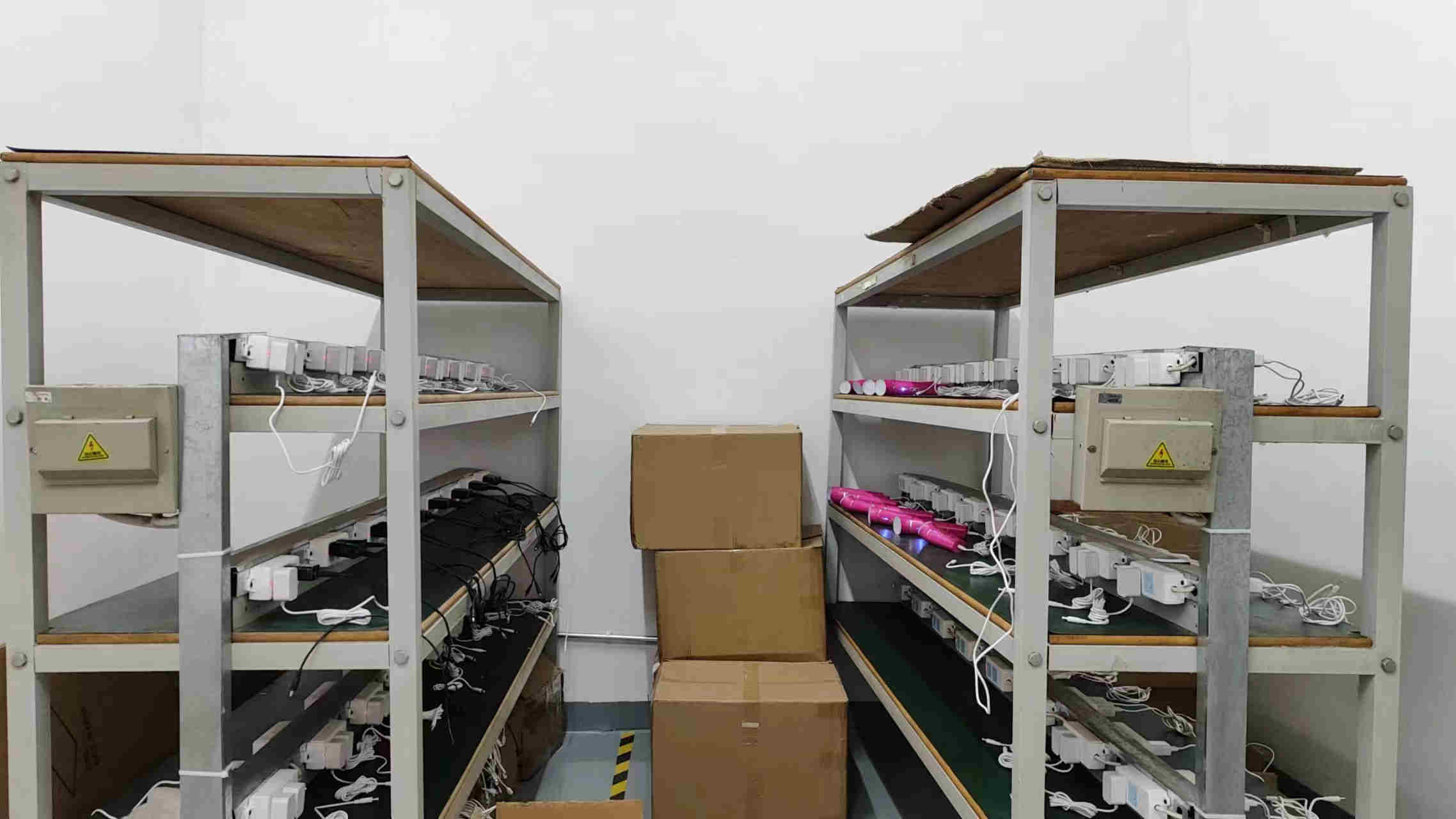
Laser aging bay
Burn-in Aging Process
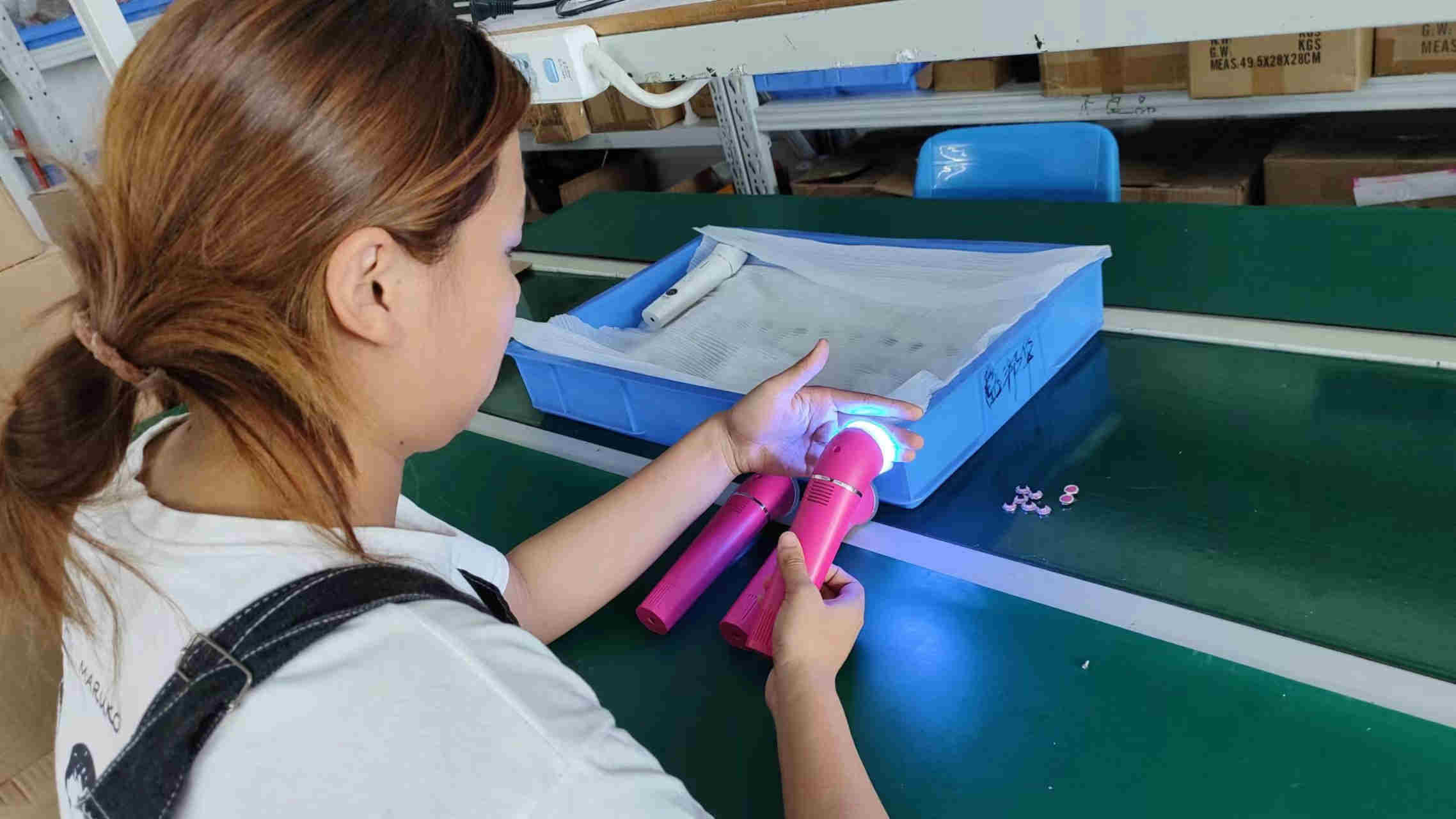
Laser power and output testing
Energy & Output Testing
Protective packing of laser machines
Custom Protective Packaging
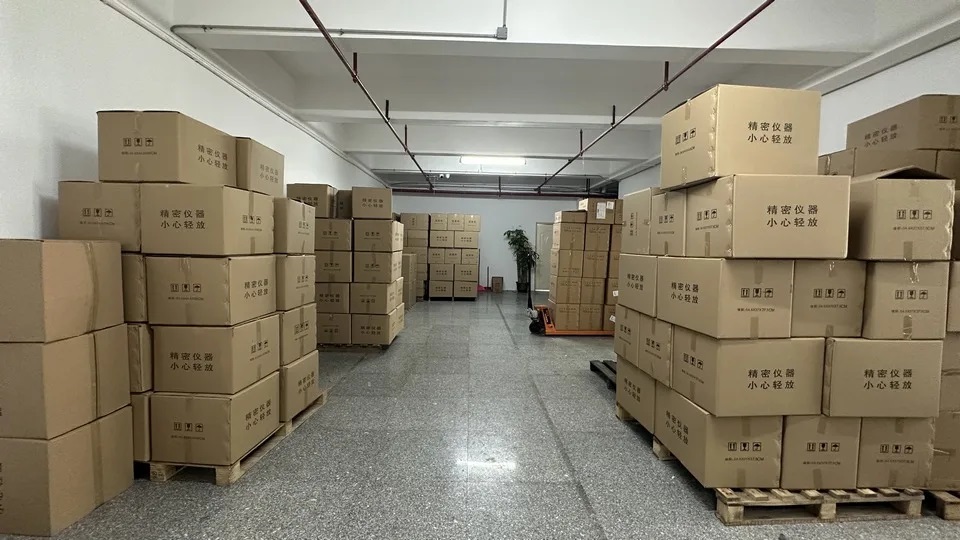
Finished goods warehouse storage
Climate-Controlled Storage
Final Quality Control Inspection
Final QC Inspection
Advanced laser aging testing stage
Precision Calibration & Aging
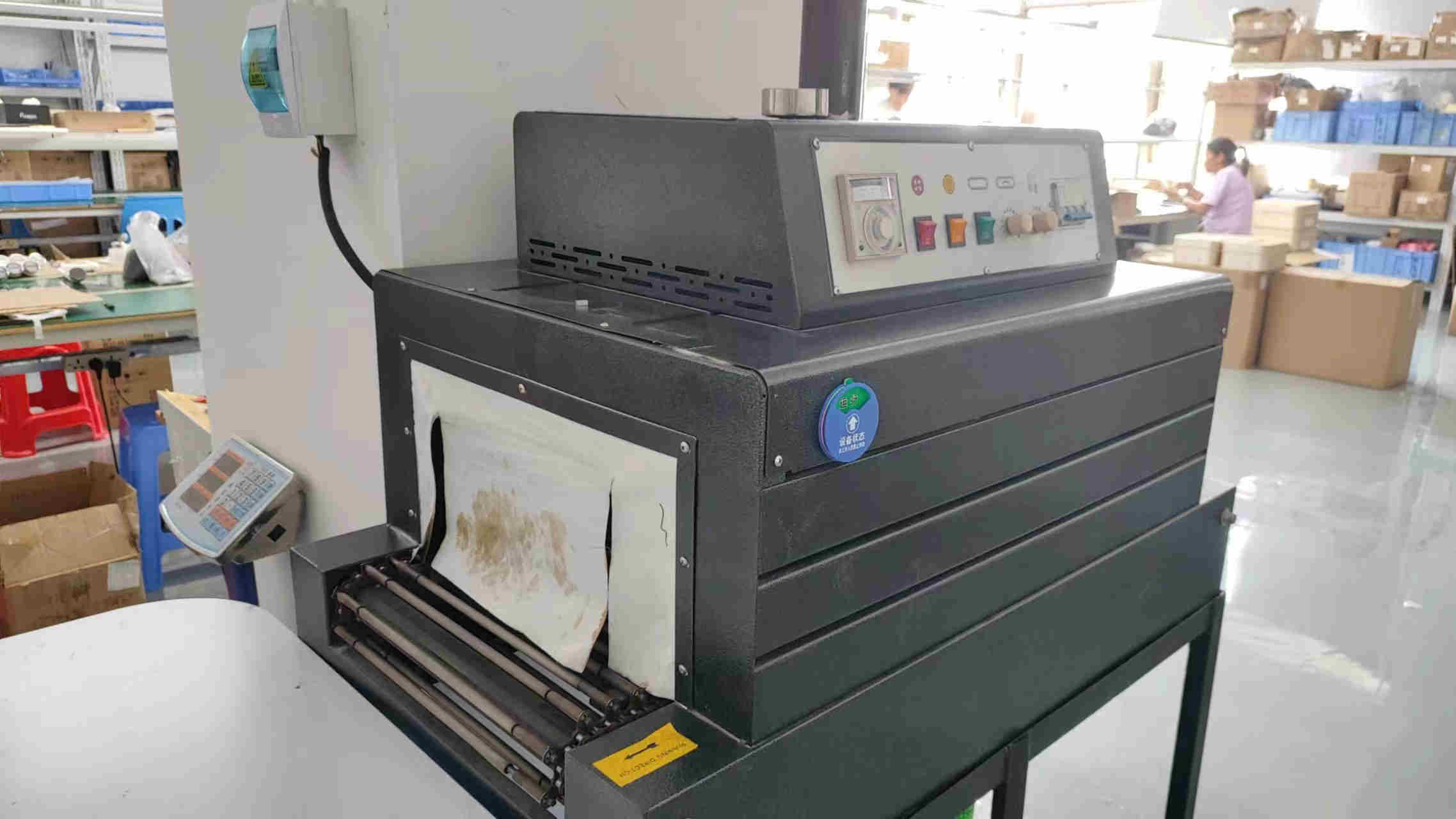
Shrink Film Wrapping Machine
Shrink Film Preservation
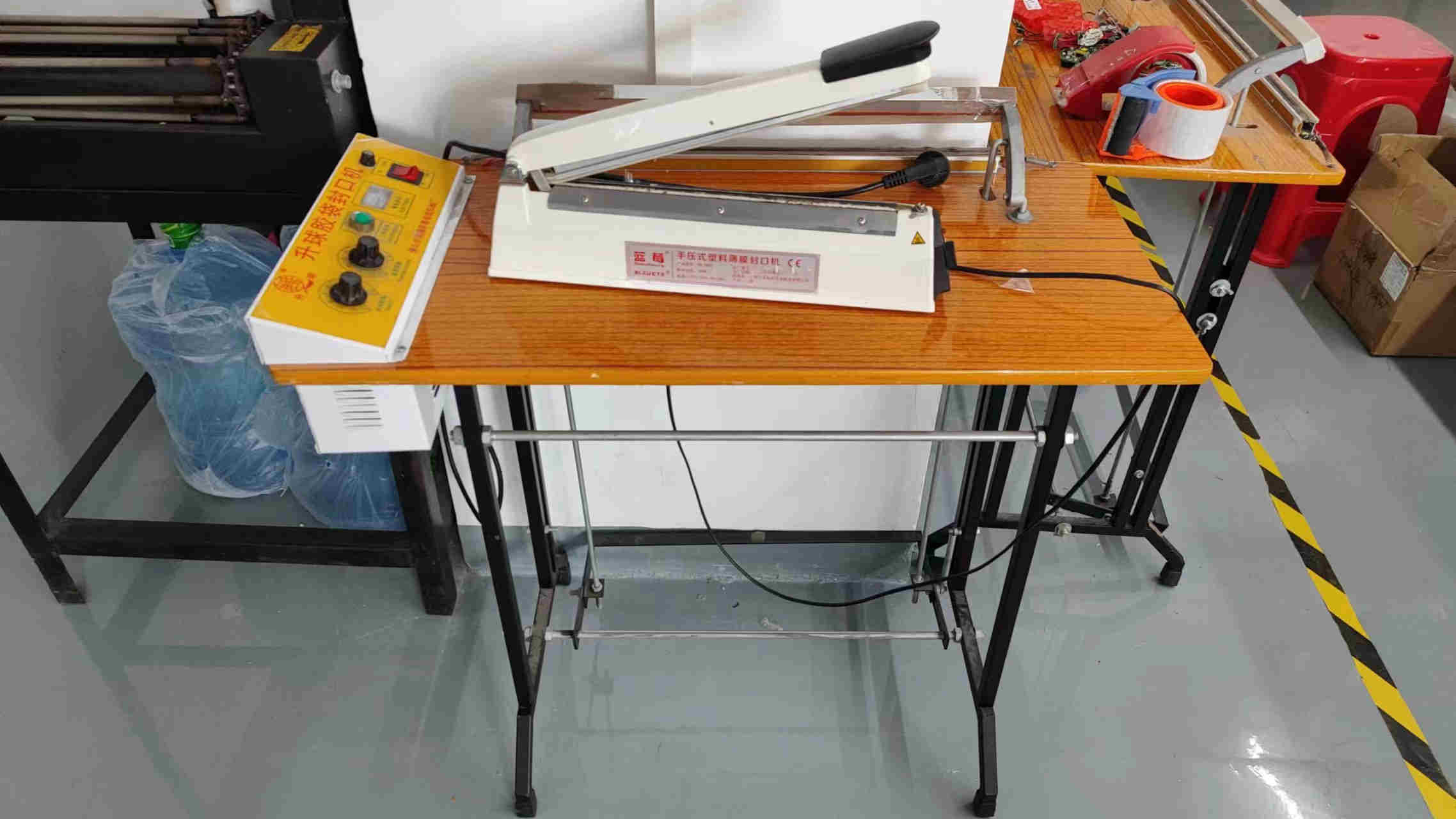
Sealing and boxing process
Sealed Boxing & Shipping Prep

Enterprise Solutions for Global Aesthetic Distributors

Medical equipment buyers, distribution networks, and clinic chains operate with specific commercial requirements. We align our manufacturing to support these business needs:

Distributor Program & Margin Protection

We provide tiered pricing, exclusive regional marketing rights, and high-resolution media collateral to support our distributors in their local target markets.

Sustained Technical & Parts Support

Every system includes a modular design, enabling field technicians to swap power supplies, water pumps, or laser cavities with basic hand tools and online support.

Global Shipping & Customs Compliance

Our team manages import/export logistics using custom flight cases and drop-test-approved packaging to ensure safe delivery across international ports.

Future Trends in Picosecond Laser Technology

As the aesthetic industry evolves, device developers are addressing several key emerging technologies:

1. Transition to Sub-300 Picosecond Pulse Widths

Recent research indicates that shorter pulse widths increase the photoacoustic breakdown of stubborn pigments while generating minimal residual heat. Advanced engineering focuses on shortening the pulse width from 450ps down to 300ps and 250ps to improve tattoo clearance rates in fewer treatment sessions.

2. Integrated Intelligent Parameter Settings

To reduce user error, systems are incorporating smart software that detects handpiece spot sizes and automatically adjusts energy density (fluence). This safeguards patient treatments and ensures uniform energy output across all spot configurations.

Technical FAQ: Key Buying & Operating Guide

Understanding these critical technical factors is essential when purchasing high-end picosecond systems.

Q1: What is the lifespan of the flashlamp in your picosecond systems?

Our systems utilize imported German Heraeus xenon flashlamps, which are rated for up to 20 million pulses before requiring calibration or replacement, depending on operating energy levels.

Q2: How does the 755nm wavelength differ from the 1064nm in pigmentation treatments?

The 755nm Alexandrite wavelength targets melanin with higher selectivity than 1064nm, making it highly effective for epidermal pigments, sunspots, and freckles, while 1064nm is suited for deep dermal lesions and darker tattoo inks.

Q3: What cooling mechanisms are integrated to handle high duty cycles?

We use a dual-cooling architecture containing a high-capacity copper radiator, imported silent water pumps, and active temperature sensors to maintain the coolant between 18°C and 26°C for continuous clinic operation.

Q4: Do you offer custom software interfaces for distributors?

Yes. Our engineering team can develop custom GUI screens, add local language translations, and pre-program specific operator parameters based on client requirements.

Q5: What is the typical lead time for custom OEM bulk orders?

Standard OEM system manufacturing takes between 15 to 25 business days, including our mandatory 72-hour continuous test calibration and aging protocol.

Q6: How do you guarantee beam quality and energy uniformity?

Our optoelectronic engineers calibrate the energy profile of every articulated arm using professional beam profilers, ensuring a flat-top beam profile with even energy distribution across the target site.

All Picosecond Laser Machine Products