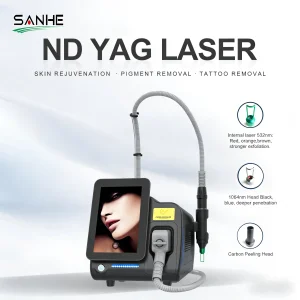
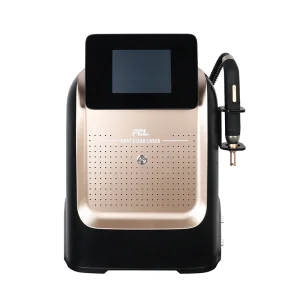
1. Global Commercial & Aesthetic Laser Market Dynamics
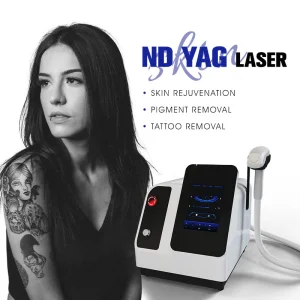
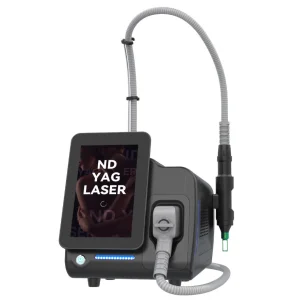
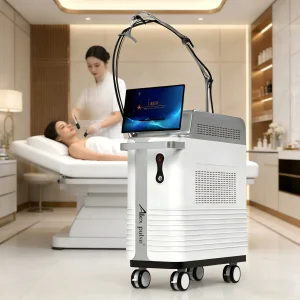
The global market for Q-Switched Neodymium-doped Yttrium Aluminum Garnet (Nd:YAG) lasers has entered a phase of rapid growth, driven by a surge in demand for non-invasive aesthetic procedures and precise industrial applications. Historically restricted to high-end research laboratories and elite medical institutions, Q-switched solid-state lasers have now transitioned into mainstream clinical settings. This evolution is driven by significant improvements in flashlamp longevity, laser cavity efficiency, and the development of cost-effective active Q-switching systems.
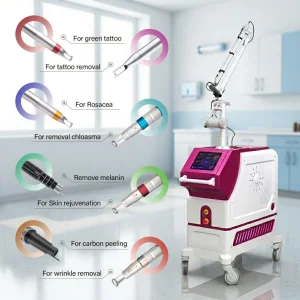
According to recent medical market reports, the demand for pigment removal, tattoo erasure, and skin rejuvenation is expanding at a Compound Annual Growth Rate (CAGR) of over 12%. This expansion is fueled by changing demographics, growing consumer acceptance, and the emergence of advanced pigment removal techniques. As a leading exporter, we observe distinct regional patterns. The Asia-Pacific region exhibits high demand for pigment correction, melasma therapy, and carbon peeling treatments. Meanwhile, the European and North American markets show a continuous demand for multi-wavelength tattoo removal systems that can treat complex, multi-colored inks across a wide range of skin types.
SEO Insight & Information Gain: When sourcing Q-Switched Nd:YAG systems, high-growth distributors focus on two main factors: dual-pulse mode stability and wavelength versatility. True 1064nm/532nm dual-wavelength systems, when combined with dye-impregnated polymers for 585nm and 650nm generation, provide the versatility needed to meet modern dermatological requirements.
2. The Scientific Foundations of Q-Switched Nd:YAG Technology
To understand the clinical effectiveness of the Q-Switched Nd:YAG laser, it is essential to understand the physics of light-matter interaction. The Nd:YAG crystal acts as the gain medium, pumped by a high-intensity xenon flashlamp or semiconductor diode laser. When the neodymium ions ($Nd^{3+}$) are excited, they undergo a population inversion. The Q-switch (Quality factor switch) acts as a high-speed optical shutter within the resonant cavity.
By keeping the cavity "Q" low, the shutter prevents stimulation of the gain medium, allowing it to store energy. When the stored energy reaches its peak, the Q-switch rapidly transitions to a high-Q state in nanoseconds. This releases the accumulated energy in a single, high-intensity pulse. The pulse duration is extremely short (ranging from 5 to 10 nanoseconds for standard Q-switched models, and down to 350 to 450 picoseconds for advanced picosecond models), yielding peak powers in the megawatt range.
| Wavelength (nm) |
Target Chromophore |
Primary Clinical Application |
Typical Energy Density (Fluence) |
| 1064 nm |
Melanin & Dark Ink (Black/Blue) |
Deep dermal lesions, tattoo removal, carbon peel |
2.0 - 8.0 J/cm² |
| 532 nm |
Oxyhemoglobin & Epidermal Melanin |
Superficial lesions (freckles, lentigines), red ink removal |
0.5 - 3.5 J/cm² |
| 585 nm (Dye) |
Hemoglobin & Sky Blue Ink |
Vascular lesions, cyan-colored ink removal |
1.0 - 4.5 J/cm² |
| 650 nm (Dye) |
Green Ink |
Green pigment removal |
1.0 - 4.0 J/cm² |
This high-speed energy delivery operates via the principle of selective photothermolysis. If the pulse duration is shorter than the thermal relaxation time of the target structure (such as a melanosome or ink particle), the heat is confined to the target. This photothermal expansion creates a photoacoustic shockwave, fracturing the target pigment into microscopic particles without heat damage to the surrounding skin. The body's lymphatic system then naturally clears these microscopic particles over several weeks.
3. Clinical Indications, Localized Applications & Skin Protocols
Modern clinical practices require Q-Switched Nd:YAG platforms to treat a variety of indications. As a manufacturer and exporter, we design systems that adapt to regional skin phenotypes, especially across different Fitzpatrick skin types. For instance, in European clinics where Fitzpatrick Types I-III are common, the primary focus is on tattoo removal and treating photo-aged skin. Here, the challenge is using 532nm light effectively to clear epidermal solar lentigines without causing post-inflammatory hyperpigmentation (PIH).
In contrast, in Asian and Middle Eastern clinics where Fitzpatrick Types IV-VI are predominant, lasers require precise control of low-fluence energy. High-fluence treatments can overstimulate melanocytes, leading to PIH or hypopigmentation. For these regions, we configure our systems with top-hat beam profiles, which distribute energy evenly across the spot size. This avoids the hot spots typical of Gaussian beams and reduces the risk of tissue damage. It enables gentle, cumulative pigment clearing for complex conditions like Melasma and Nevus of Ota.
Advanced Clinical Application: Carbon Peel (The "Black Doll" Treatment)
The application of a carbon lotion to the skin, followed by a low-fluence 1064nm Q-switched sweep, represents a major category of aesthetic treatments. The laser light targets the carbon particles, exploding them within the pores. This exfoliates dead skin, minimizes sebum production, stimulates collagen, and reduces pore size with minimal downtime.
4. Advanced Manufacturing Quality Standards & Factory Excellence
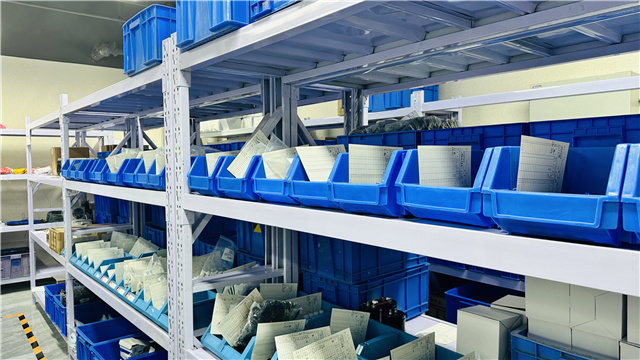
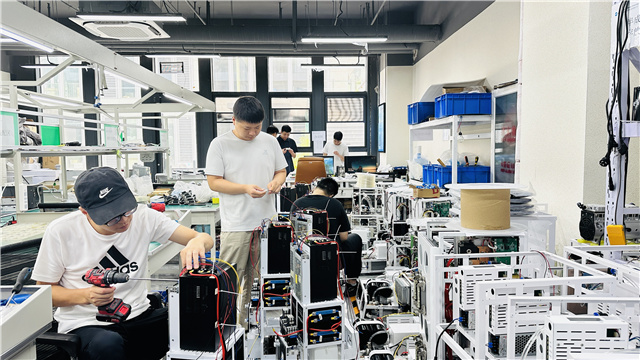
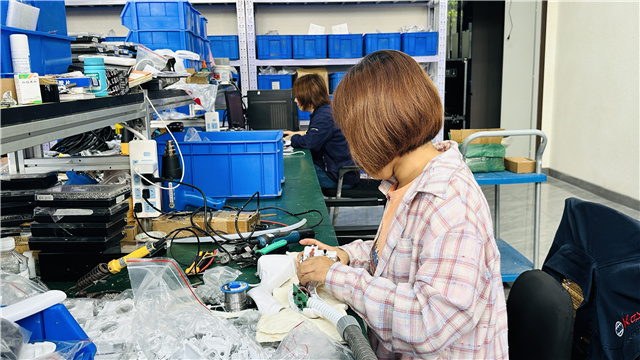
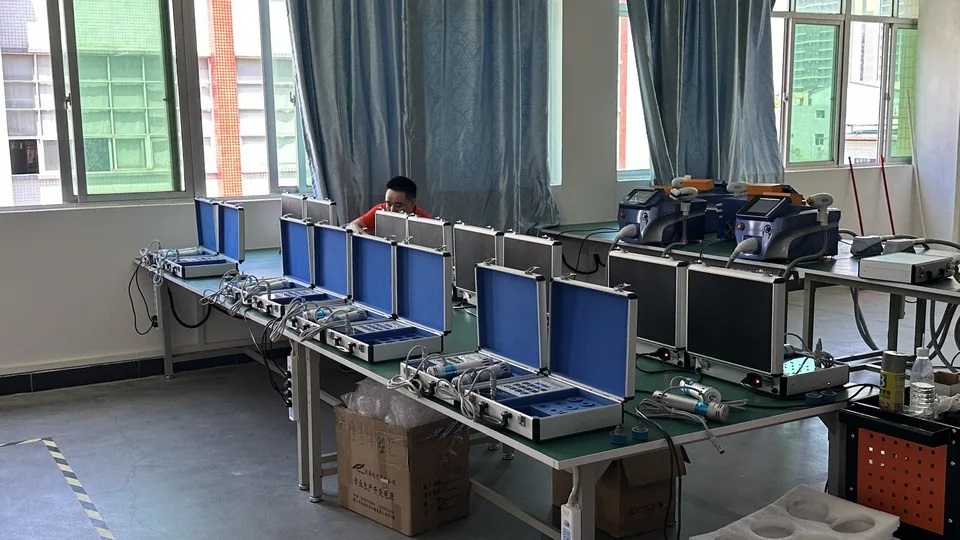
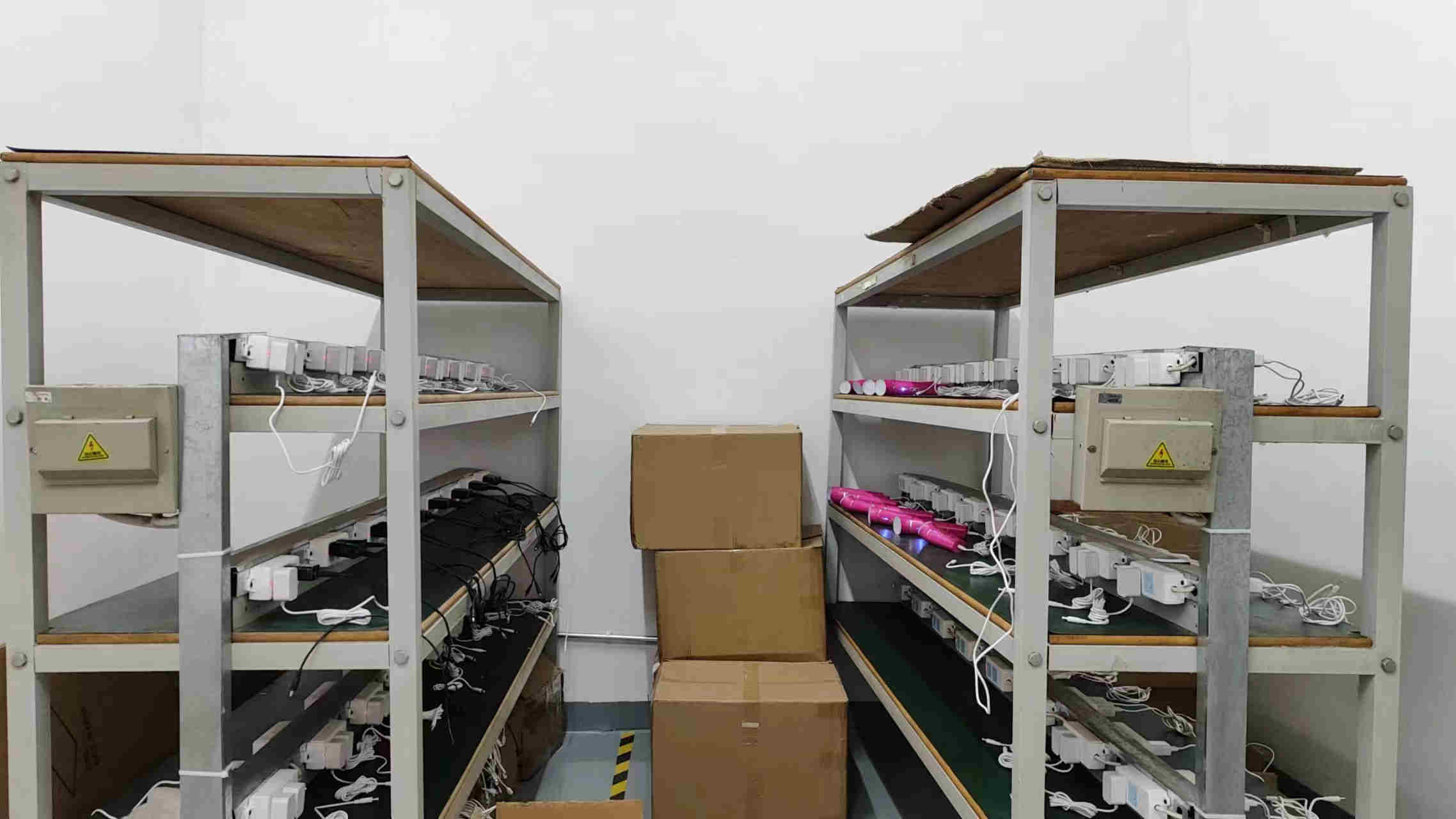
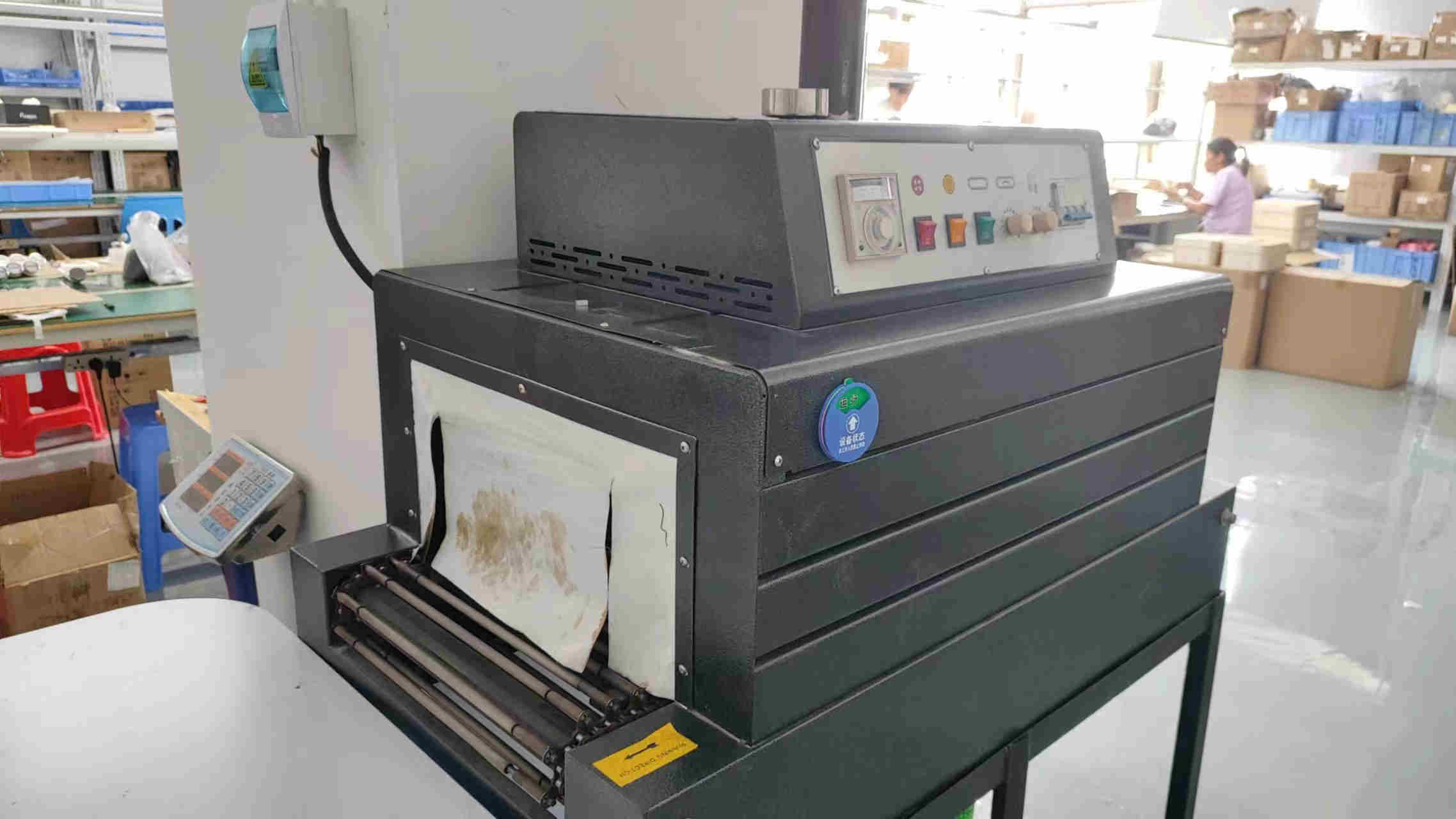
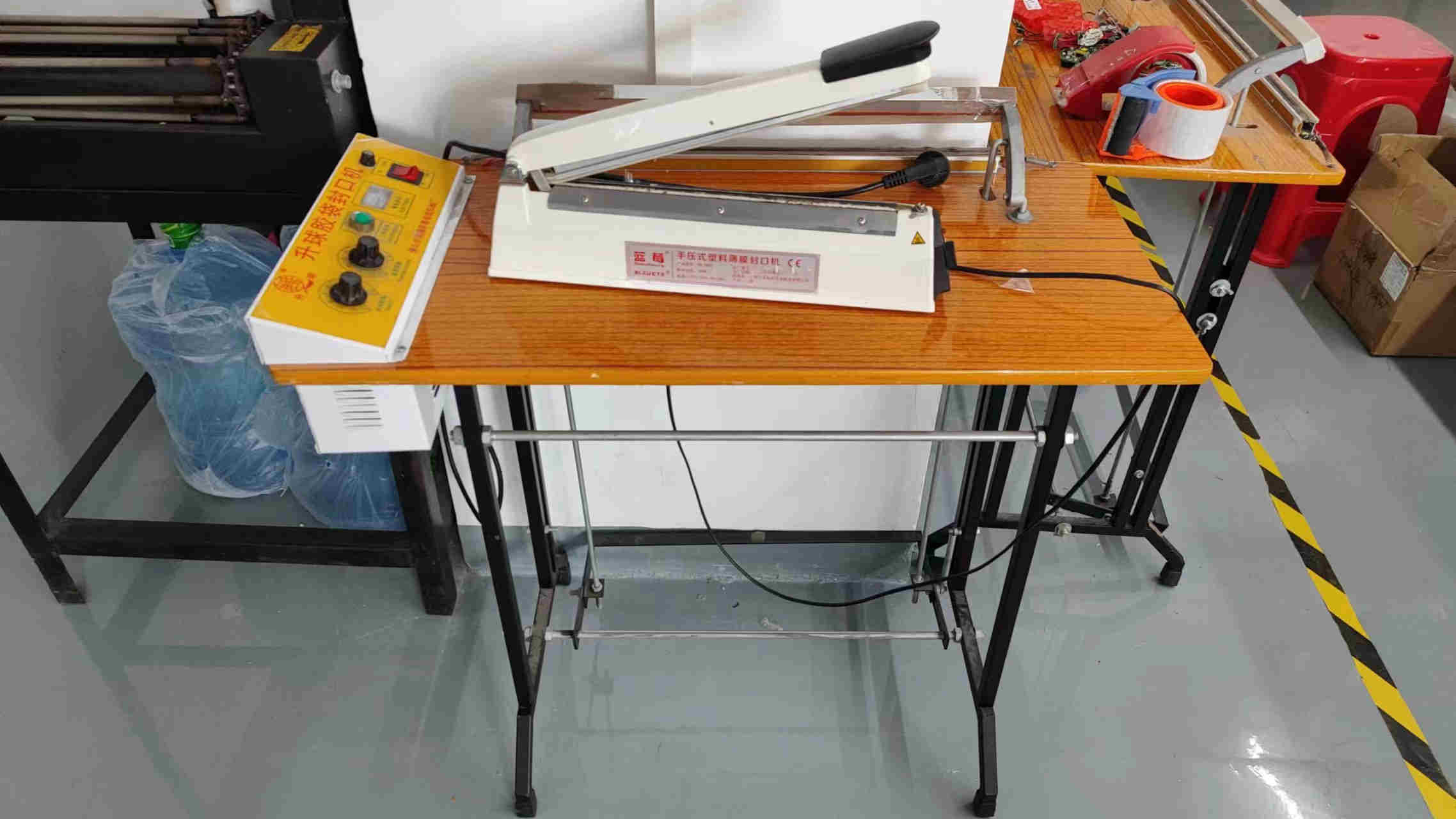
At Guangdong Habitue Beauty Co., Ltd., we recognize that the reliability of a solid-state laser depends on its manufacturing process. Our facility in Guangdong Province uses a dust-free assembly room to prevent particulate contamination of the optical components. A single dust particle on a high-damage-threshold mirror can absorb laser energy, leading to optical breakdown and system failure.
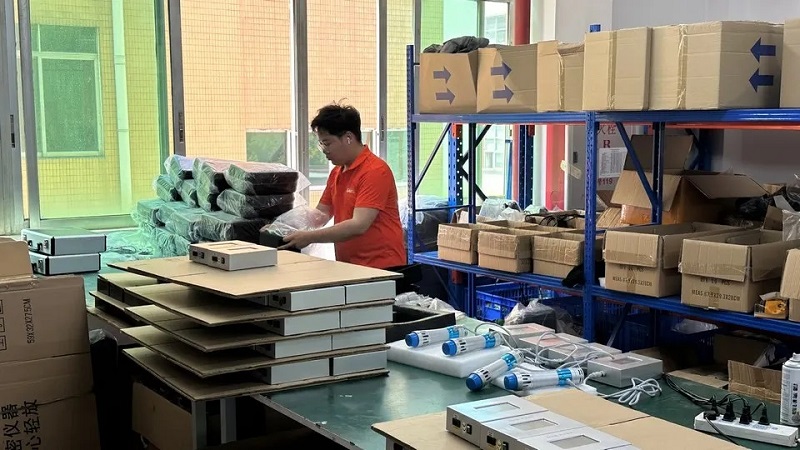
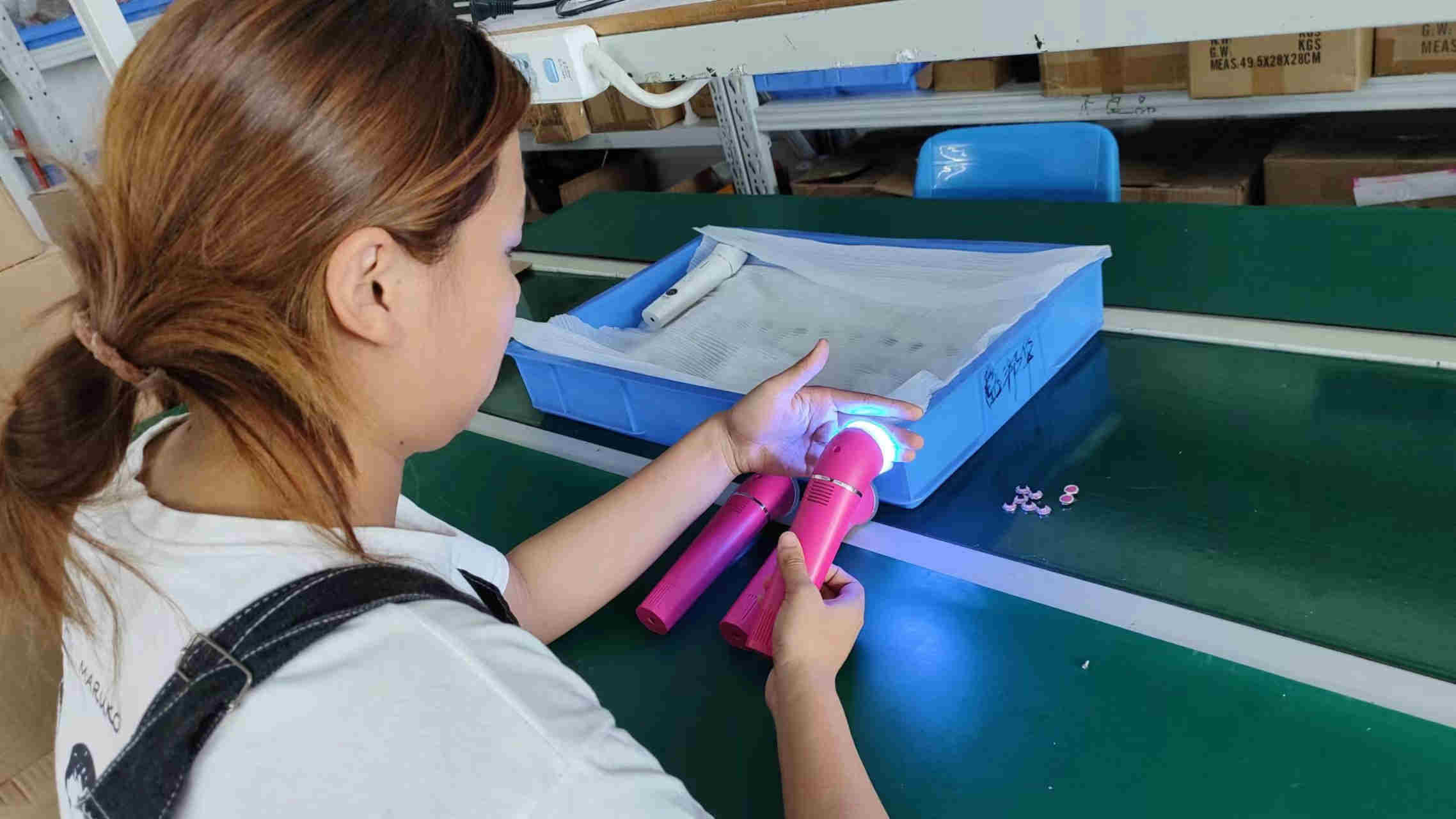
Our Quality Assurance (QA) team monitors every stage of production, from raw material inspection to final packaging. Using high-precision laser power meters and beam profiling cameras, we test each laser resonator for beam quality ($M^2$ factor), energy stability, and pulse-to-pulse consistency. We implement a rigorous 72-hour continuous aging test under cycling thermal conditions for all assembled platforms. This ensures that every system shipped to Europe, the Middle East, or the Americas is built to withstand long-term operational demands.
5. Macro Industry Solutions for Importers, Distributors & OEMs
Sourcing medical aesthetic equipment from China requires careful consideration of technical compatibility, international regulatory compliance, and post-sales support. As a trusted exporter, we offer complete integration packages for international distributors and hospital groups. This goes beyond simple hardware supply to include full regulatory compliance and technical support.
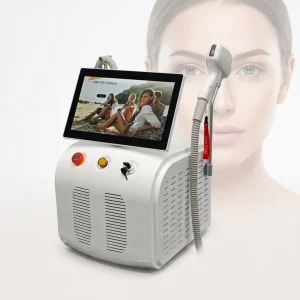
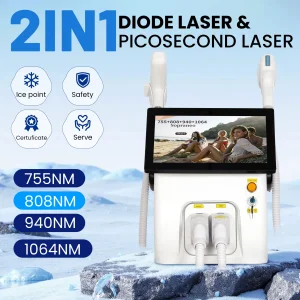
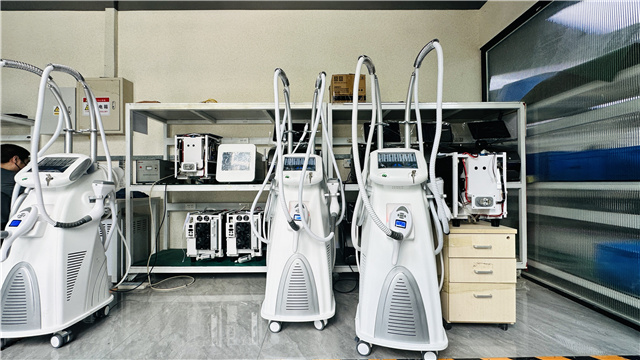
Our OEM and ODM services are structured to streamline time-to-market. We handle custom chassis designs, custom user interfaces in multiple languages, and dual-system integration (such as combining Nd:YAG and Diode Lasers in one system). We also provide distributors with spare parts, technical diagrams, and video training portals. This supports local service centers in offering quick maintenance and repair services to their clinical clients.
6. Technical Roadmap, IoT Integration & Future Outlook
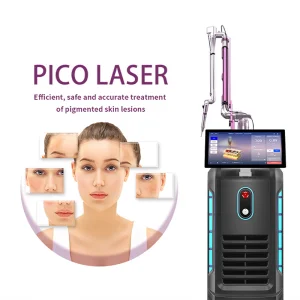
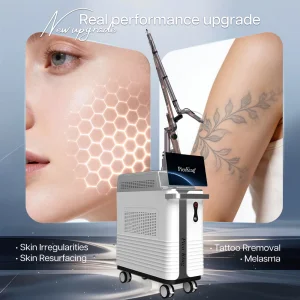
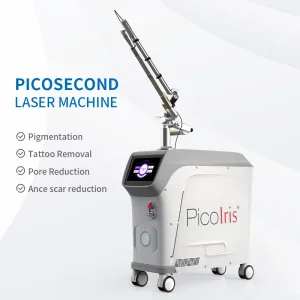
The future of Q-Switched Nd:YAG technology lies in narrower pulse widths and increased connectivity. While nanosecond lasers remain a clinical standard, picosecond systems are becoming the preferred choice for tattoo removal and pigmented lesion treatments. By reducing the pulse duration from nanoseconds to picoseconds, the dominant mechanism of destruction shifts from photothermal to photoacoustic. This allows for faster clearing of pigments with lower total energy, lowering the risk of thermal damage to surrounding tissue.
Additionally, we are integrating Internet of Things (IoT) modules into our laser systems. These modules track system health, monitor flashlamp counts, and identify issues remotely. Authorized service centers can diagnose system performance over the cloud, enabling proactive maintenance before components wear out. This reduces clinical downtime and improves overall return on investment.
 Habitue Beauty