1 / 5
 Habitue Beauty
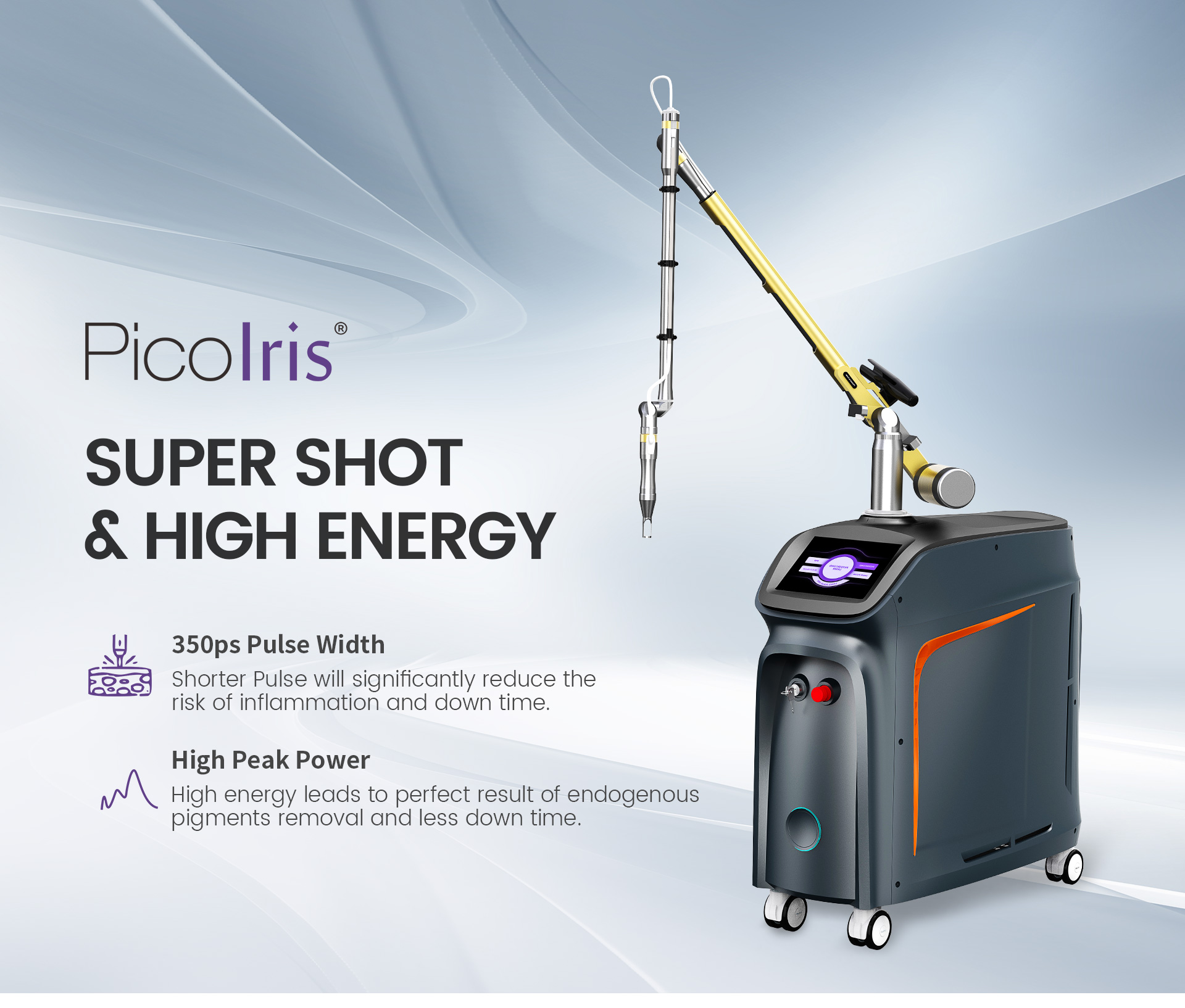
| Technical Specifications | |
|---|---|
| Rated input power | AC110V/60Hz or AC220V/50Hz |
| Maximum output power | 2000VA |
| Wavelength | 532nm 755nm 1064nm |
| Frequency | 1 ~ 10Hz |
| Pulse | 500ps |
| Energy intensity | 1 ~ 80 J/cm² |
| Refrigeration system | Water refrigeration + semiconductor refrigeration + air cooling |
| Working mode | Intelligent mode |
| Running capacity | Support 24 hours of continuous work |
| Coolant | Well filtered distilled water or deionized water |
| Volume | 109cm × 62cm × 48cm |
| Fuse Model | F250V L15A |
| Operating temperature | 5 ℃ ~ 40 ℃ (Storage temperature: 5 ℃ ~ 55 ℃) |
| Relative humidity | ≤ 80% |
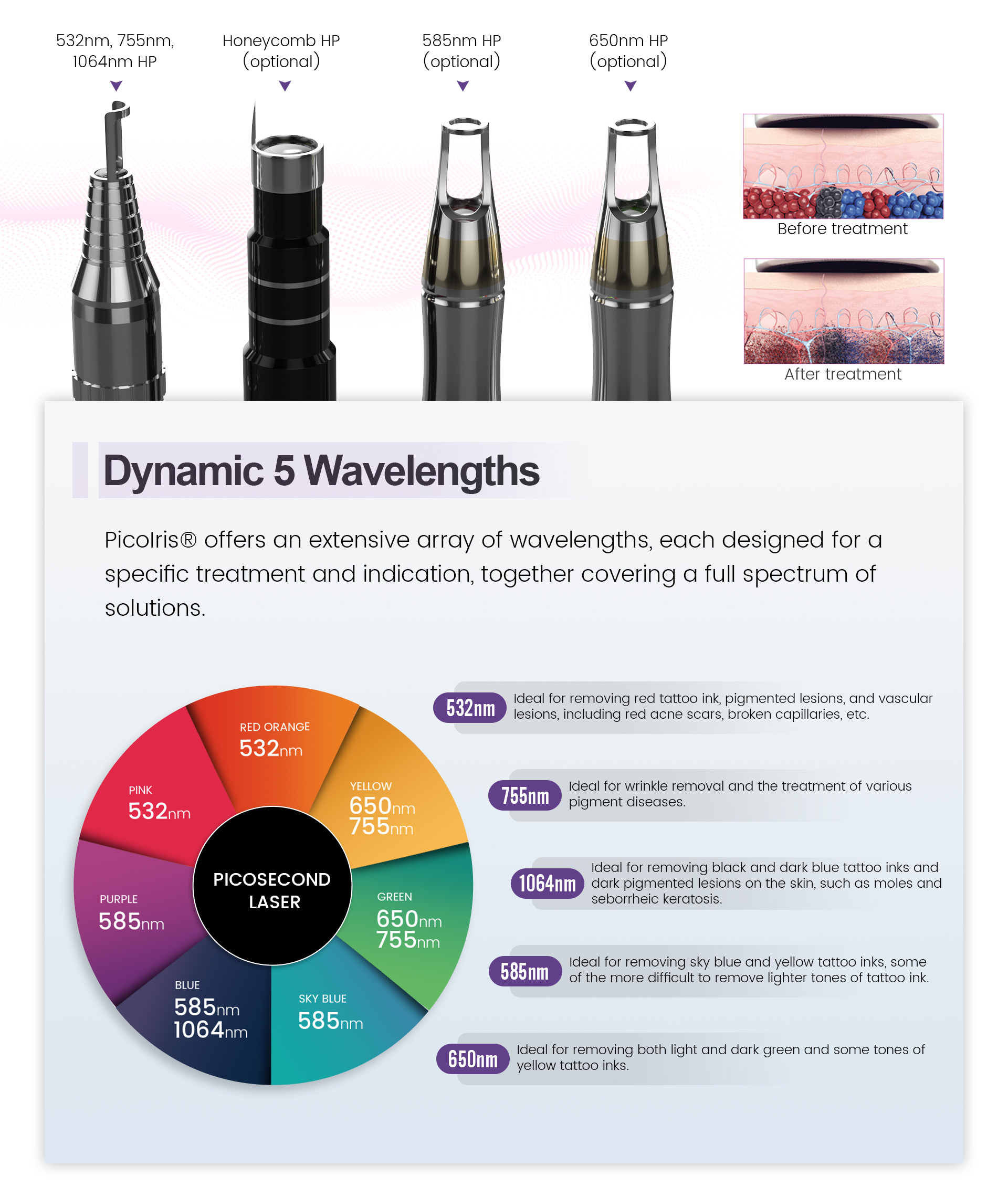

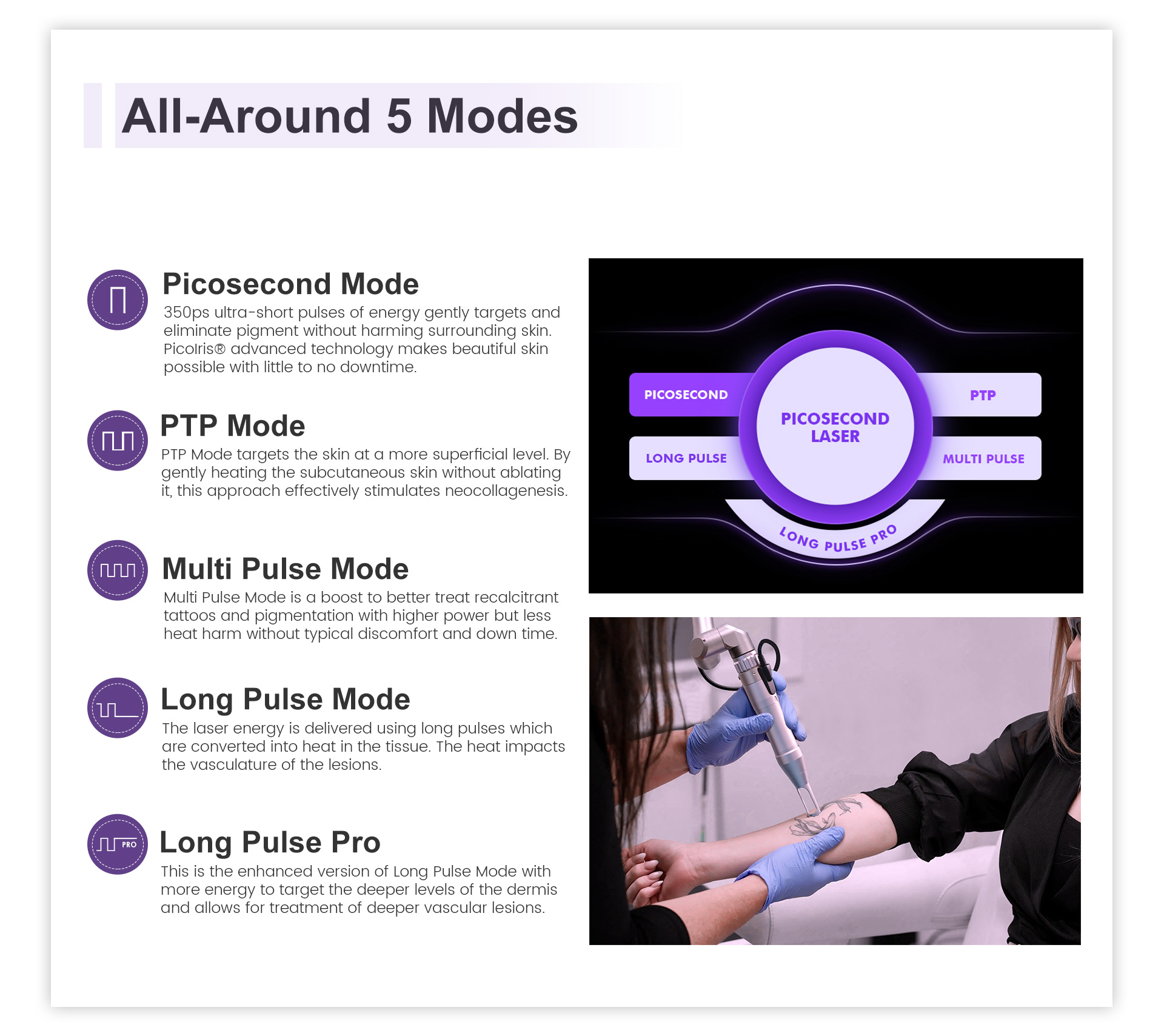
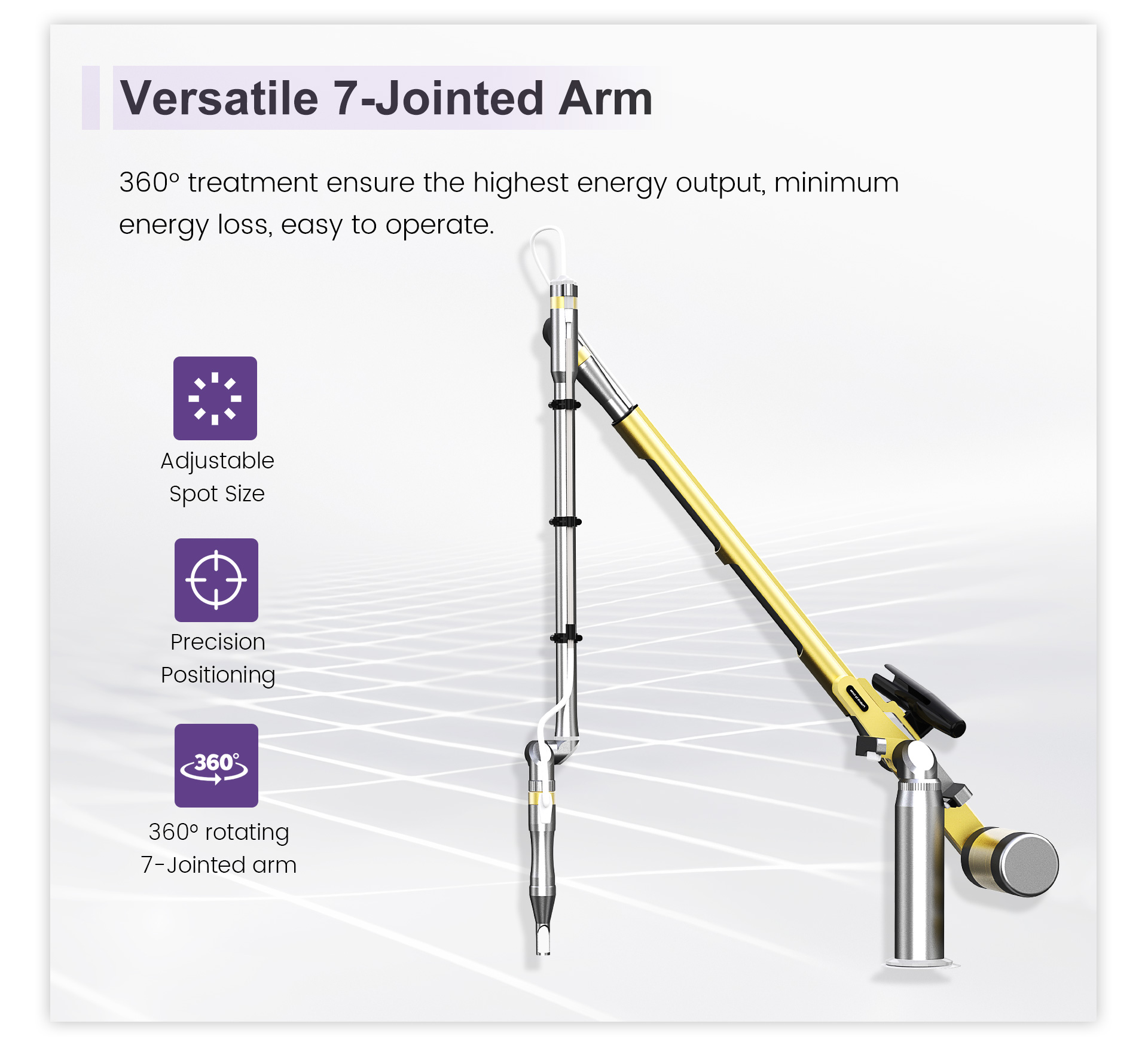

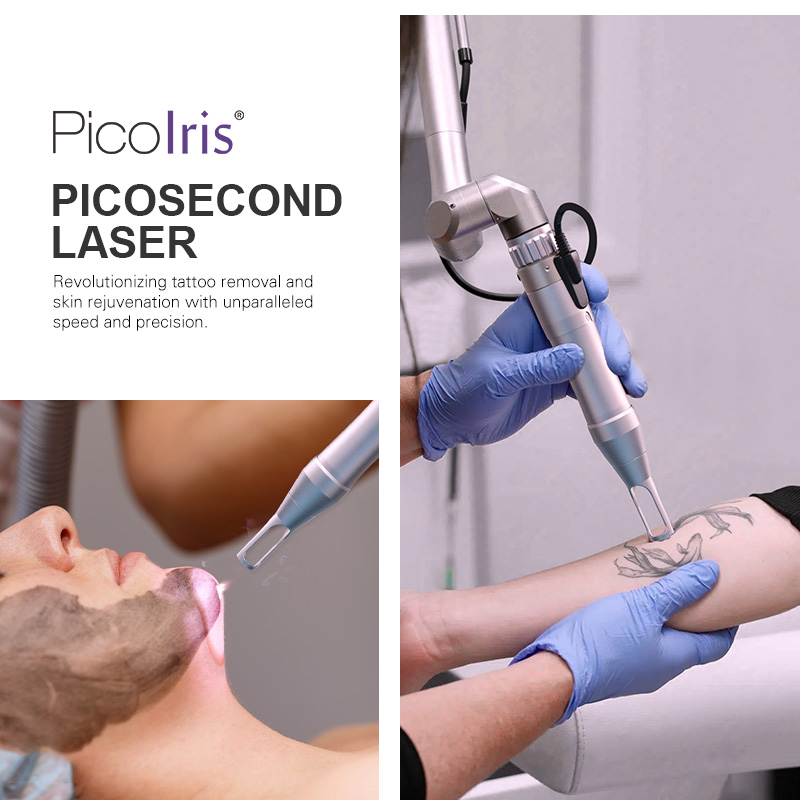
Picolris utilizes picosecond technology, delivering energy in ultra-short bursts, which can break down tattoo ink particles more efficiently compared to nanosecond lasers. This results in faster and more complete tattoo removal with fewer treatments.
Picolris® is generally considered safe for a wide range of skin types and colours. However, it is essential to consult with a qualified and experienced provider to determine the suitability of the treatment based on individual skin characteristics.
Picolris treatments typically involve minimal downtime, allowing patients to resume their daily activities shortly after the procedure. Some redness or swelling may occur temporarily, but these side effects usually subside quickly.
The number of Picolris sessions required for tattoo removal varies depending on factors such as the size, colour, and complexity of the tattoo, as well as the individual's skin type. While some tattoos may require only a few sessions for significant fading, others may need more treatments to achieve optimal results. A consultation with a qualified provider can help determine a personalized treatment plan.
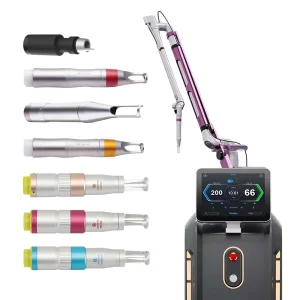
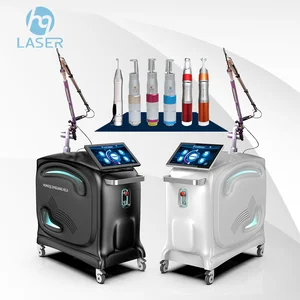
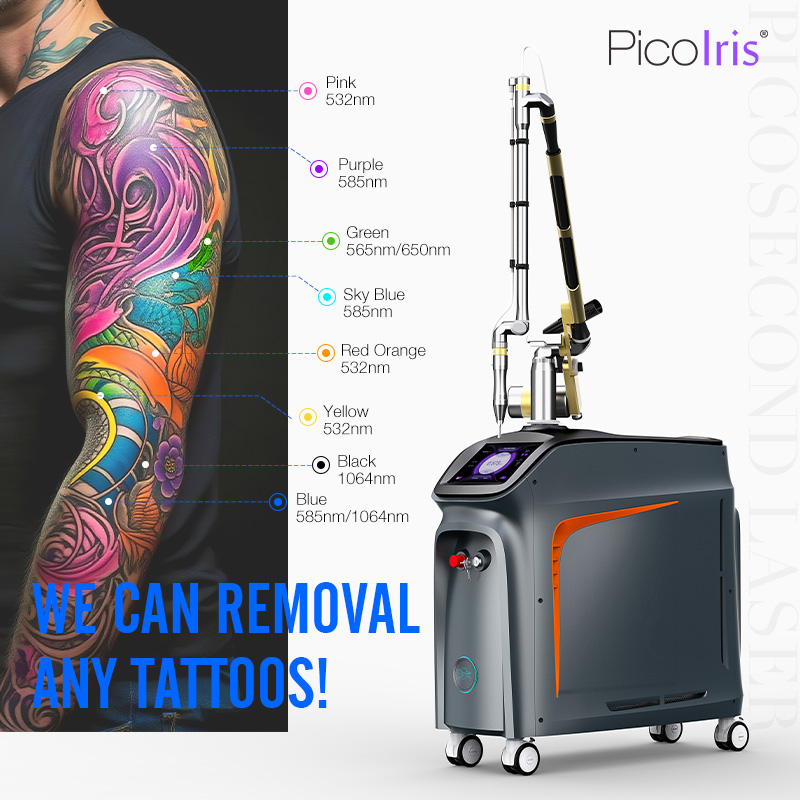
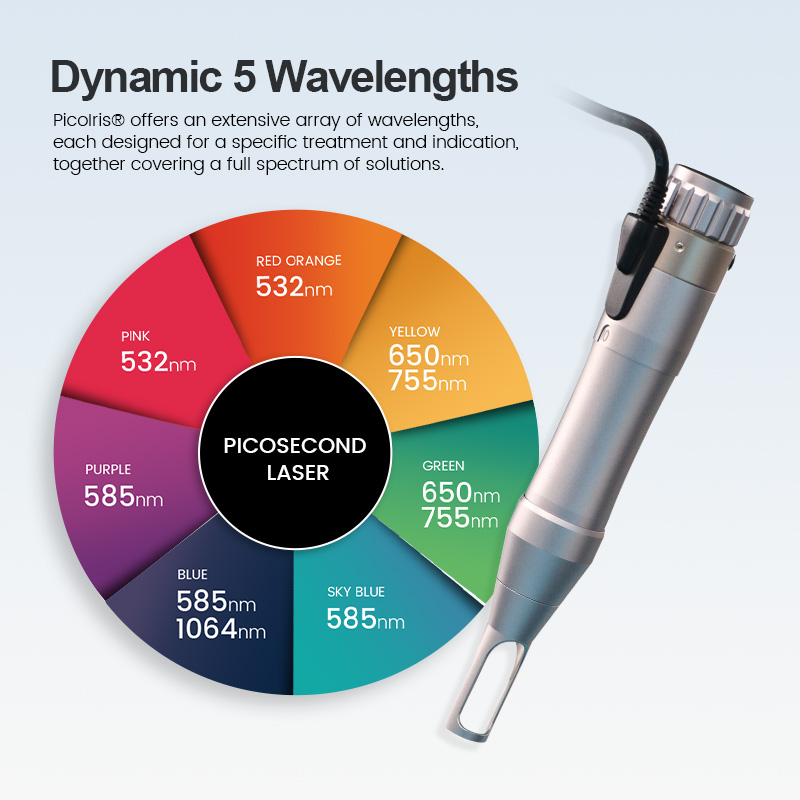
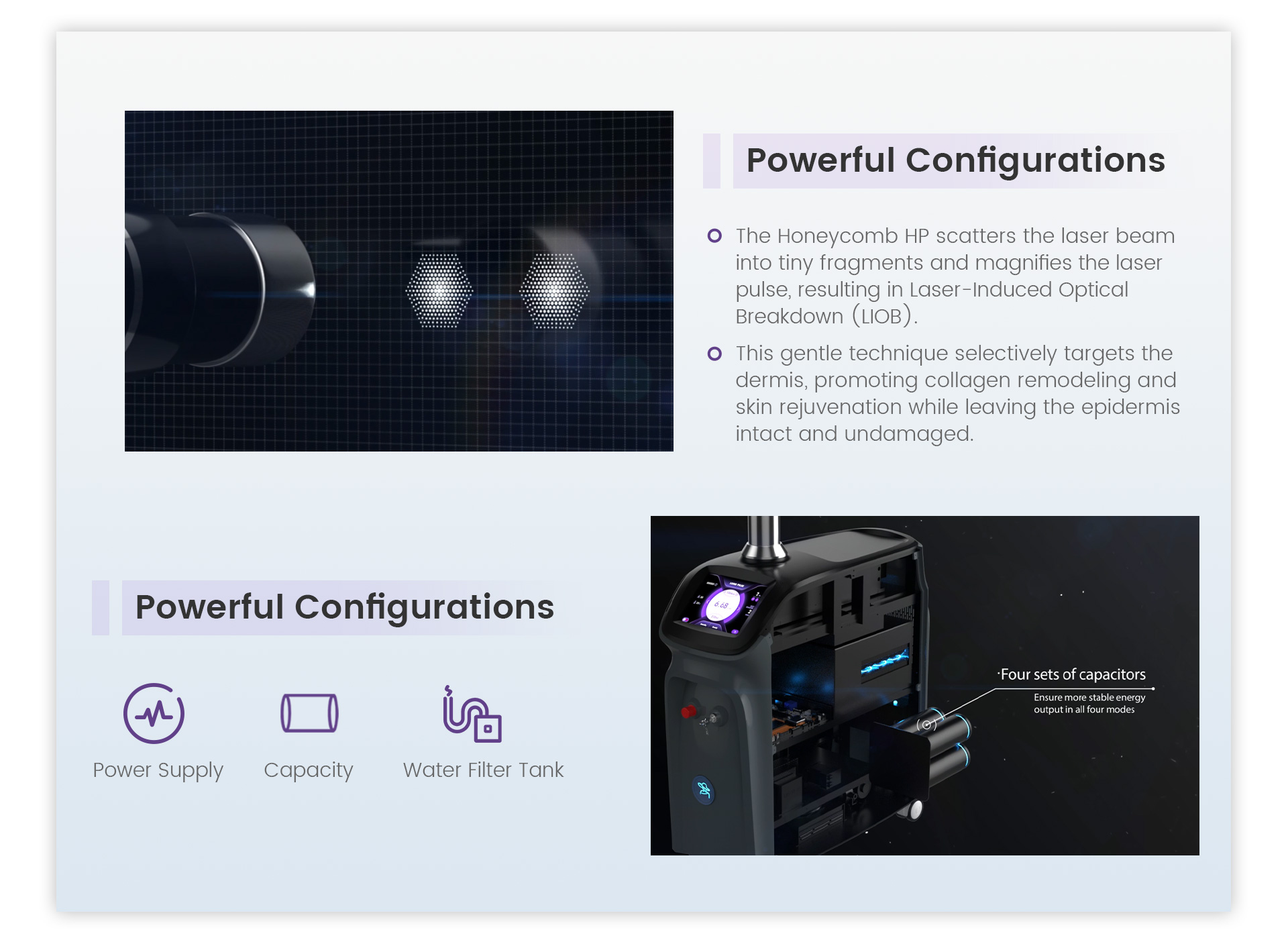
The system provides multiple wavelengths including 532nm, 755nm, and 1064nm, allowing for targeted treatments depending on the depth and color of the pigmentation or tattoo ink.
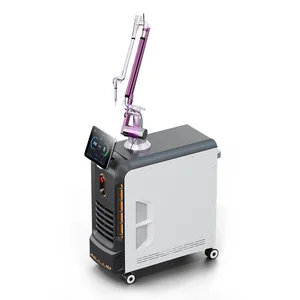
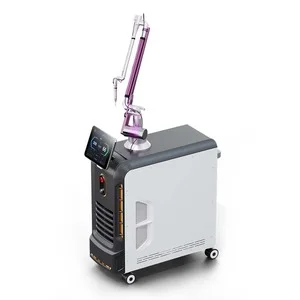
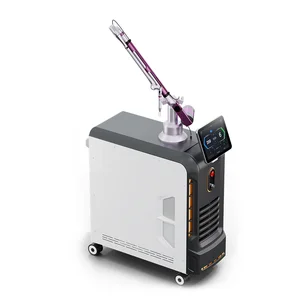
The machine features a robust integrated refrigeration design combining water cooling, semiconductor cooling, and air cooling systems, which reliably supports up to 24 hours of continuous operational capacity.