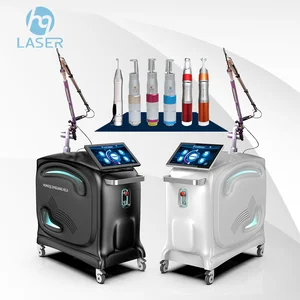
How does the Picosecond Laser Tattoo Removal Machine work?
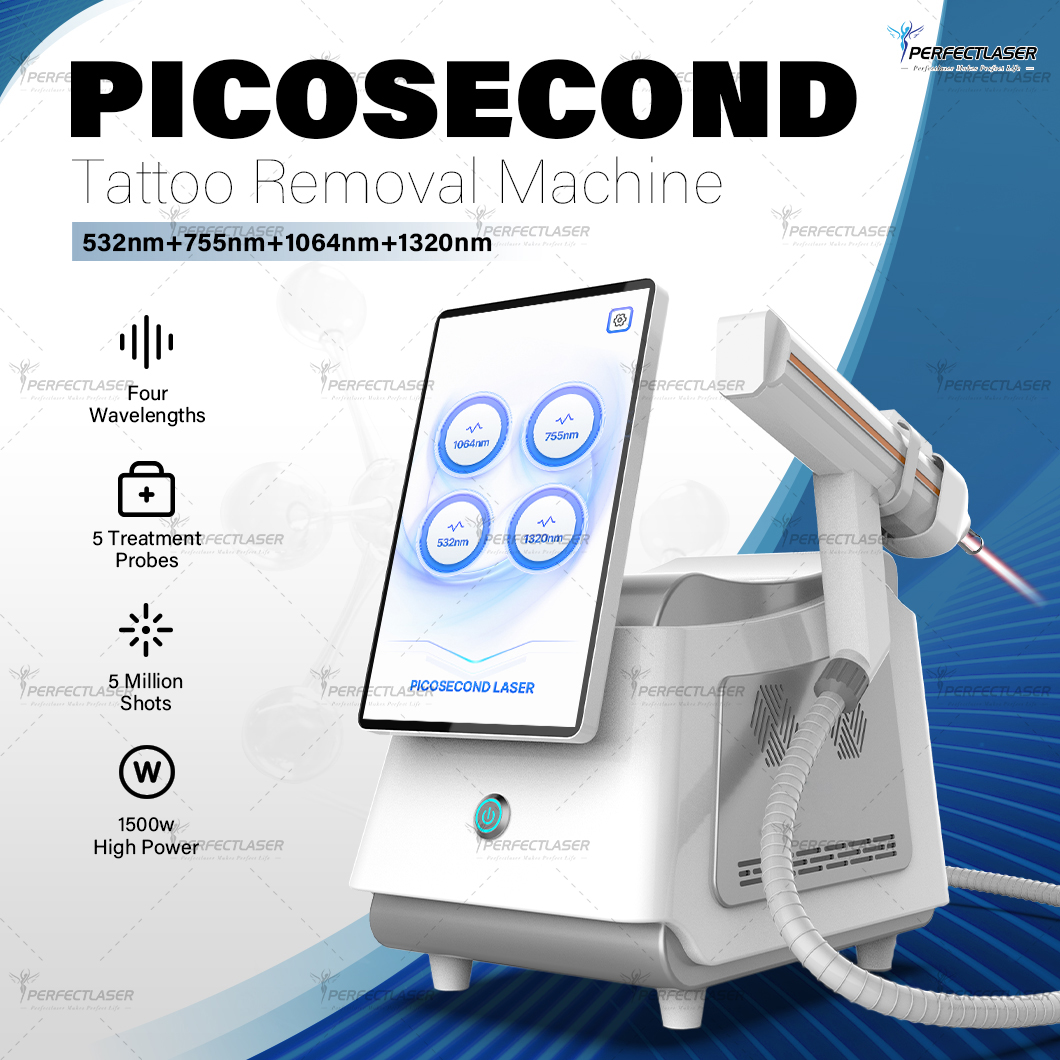
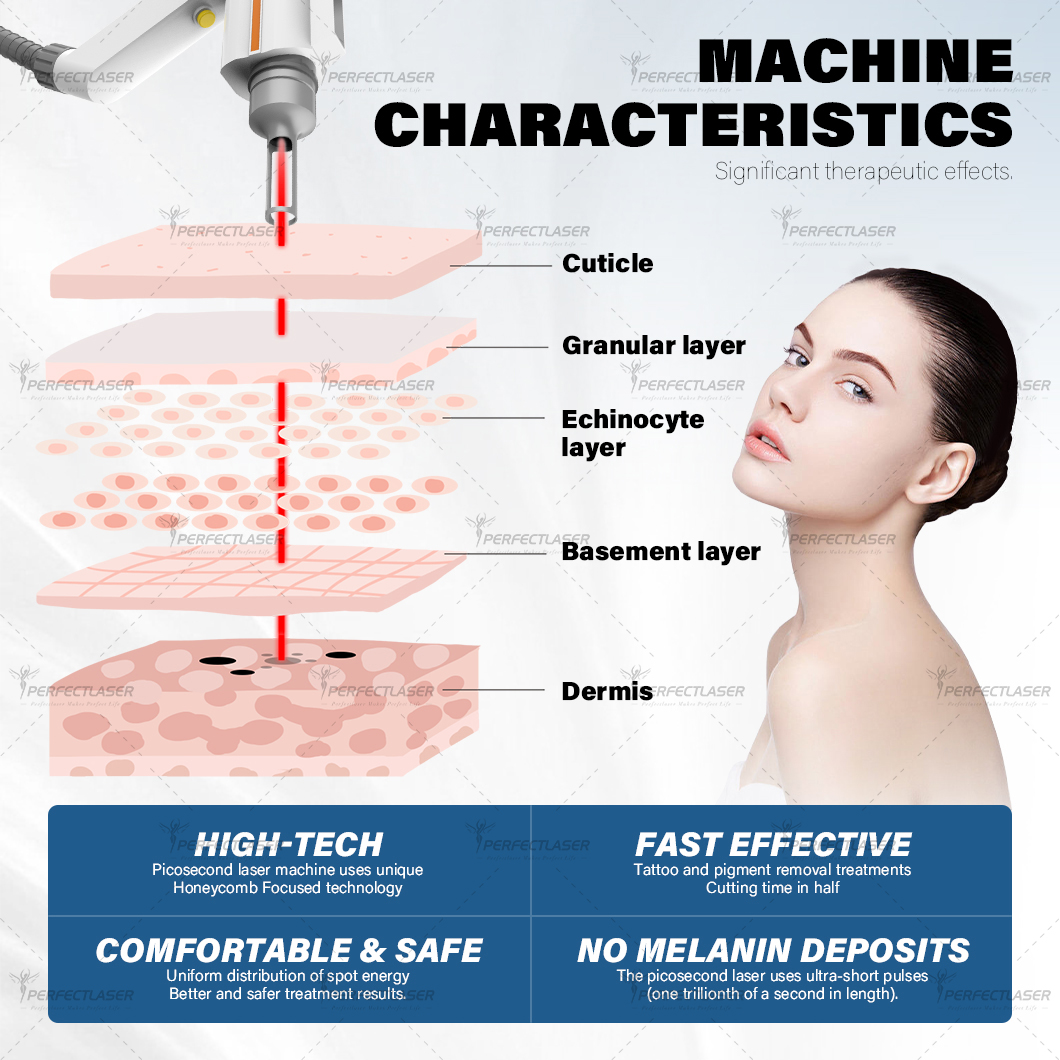
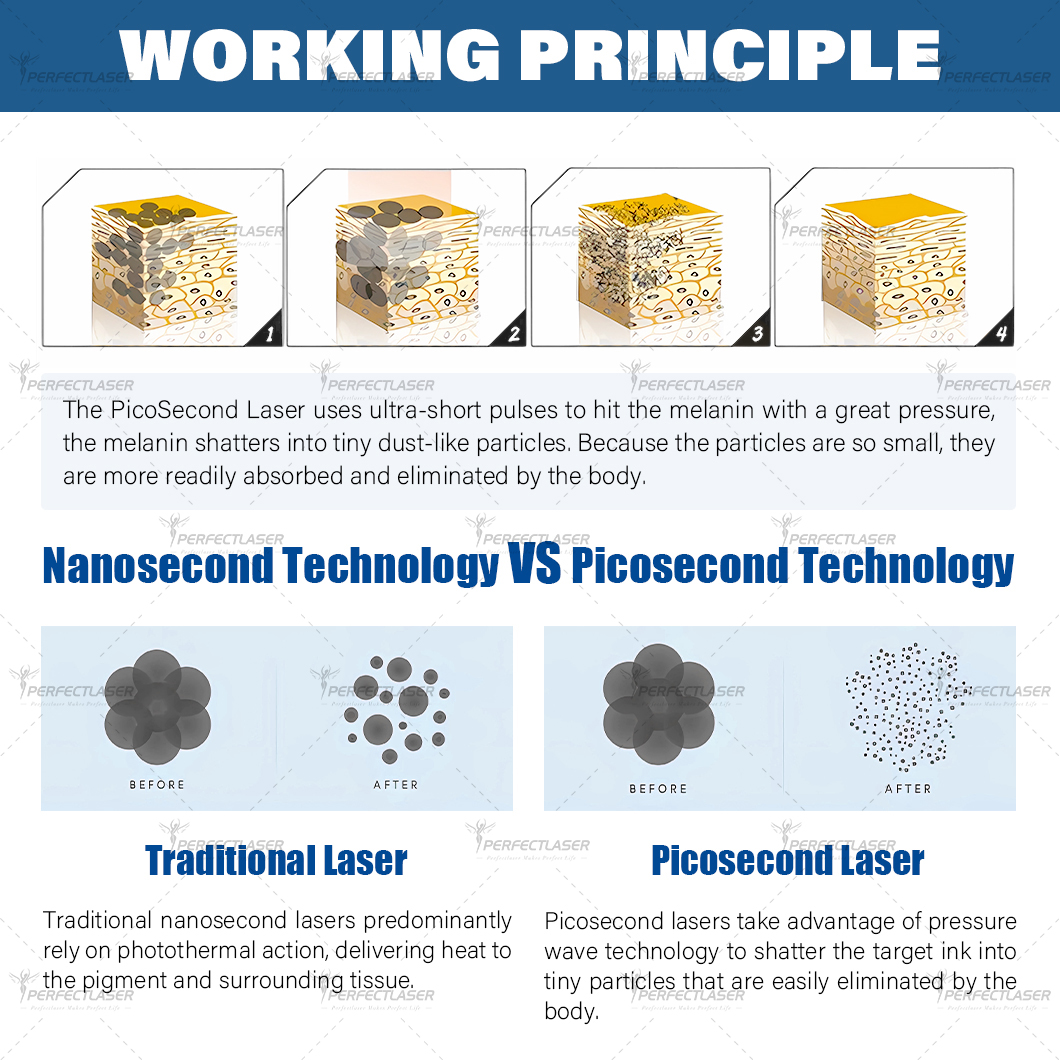
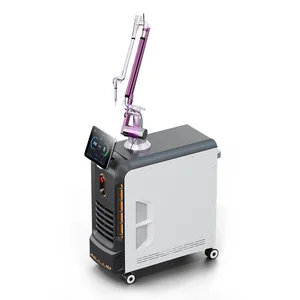
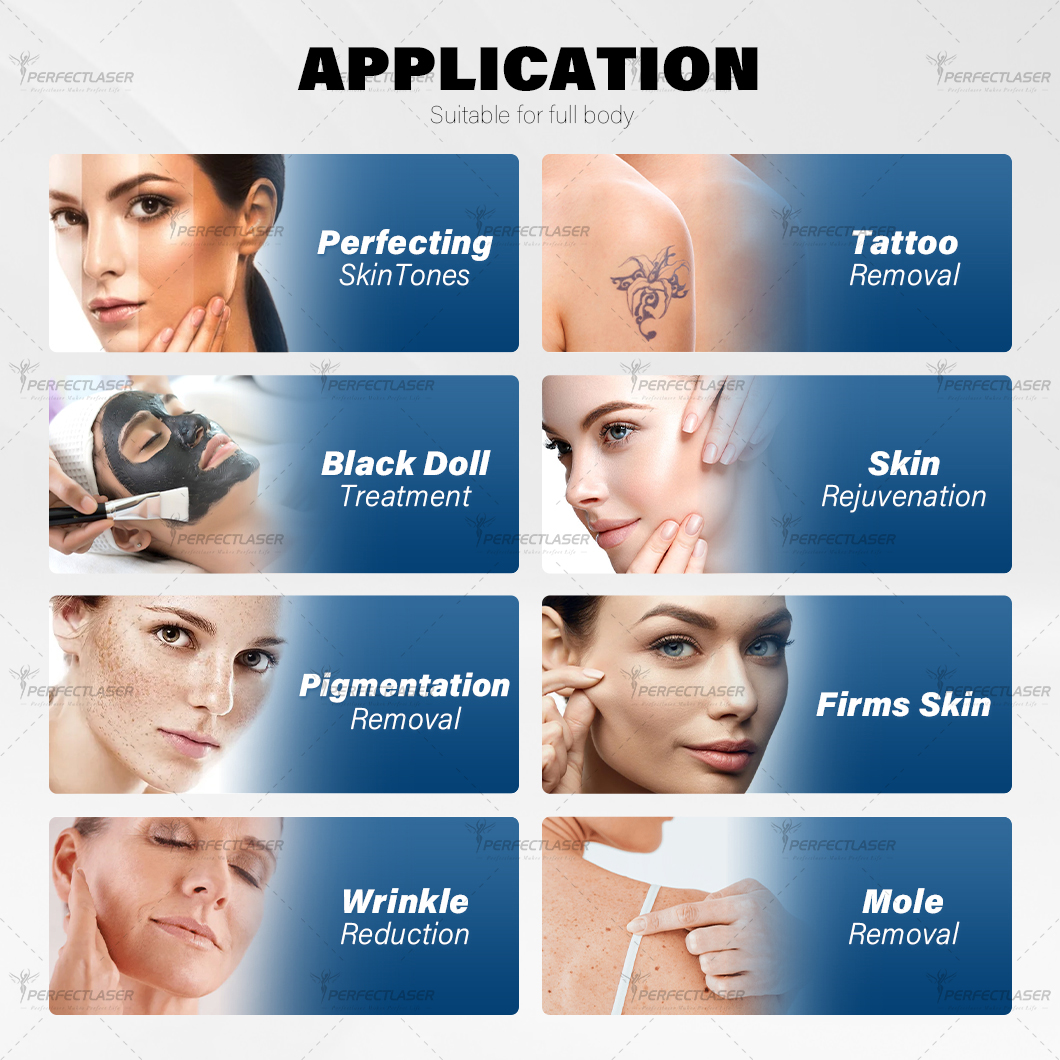
The machine uses ultra-short pulses (one trillionth of a second in length) to hit the melanin or ink particles with great pressure. The ink shatters into tiny dust-like particles, which are easily absorbed and eliminated by the body's natural lymphatic system.
What wavelengths are included, and what do they target?
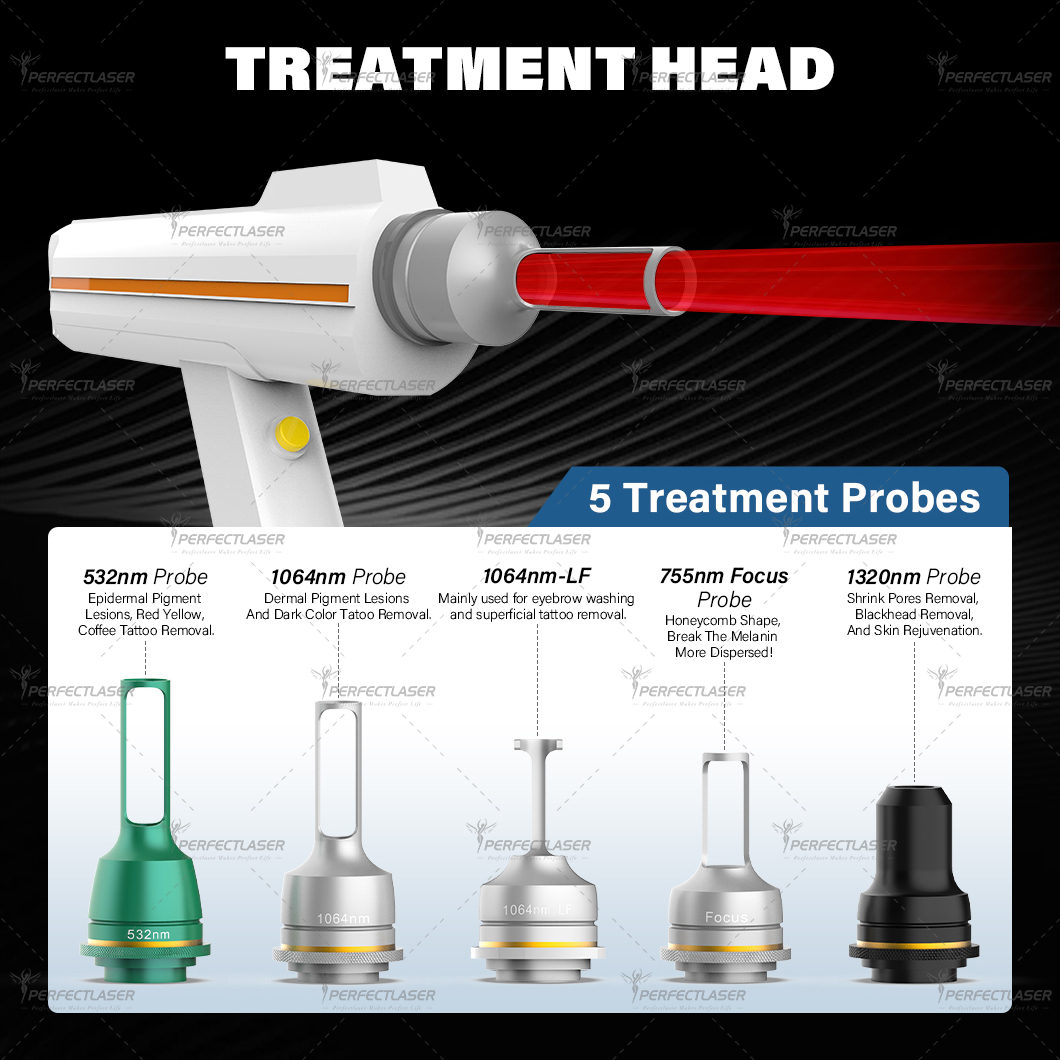
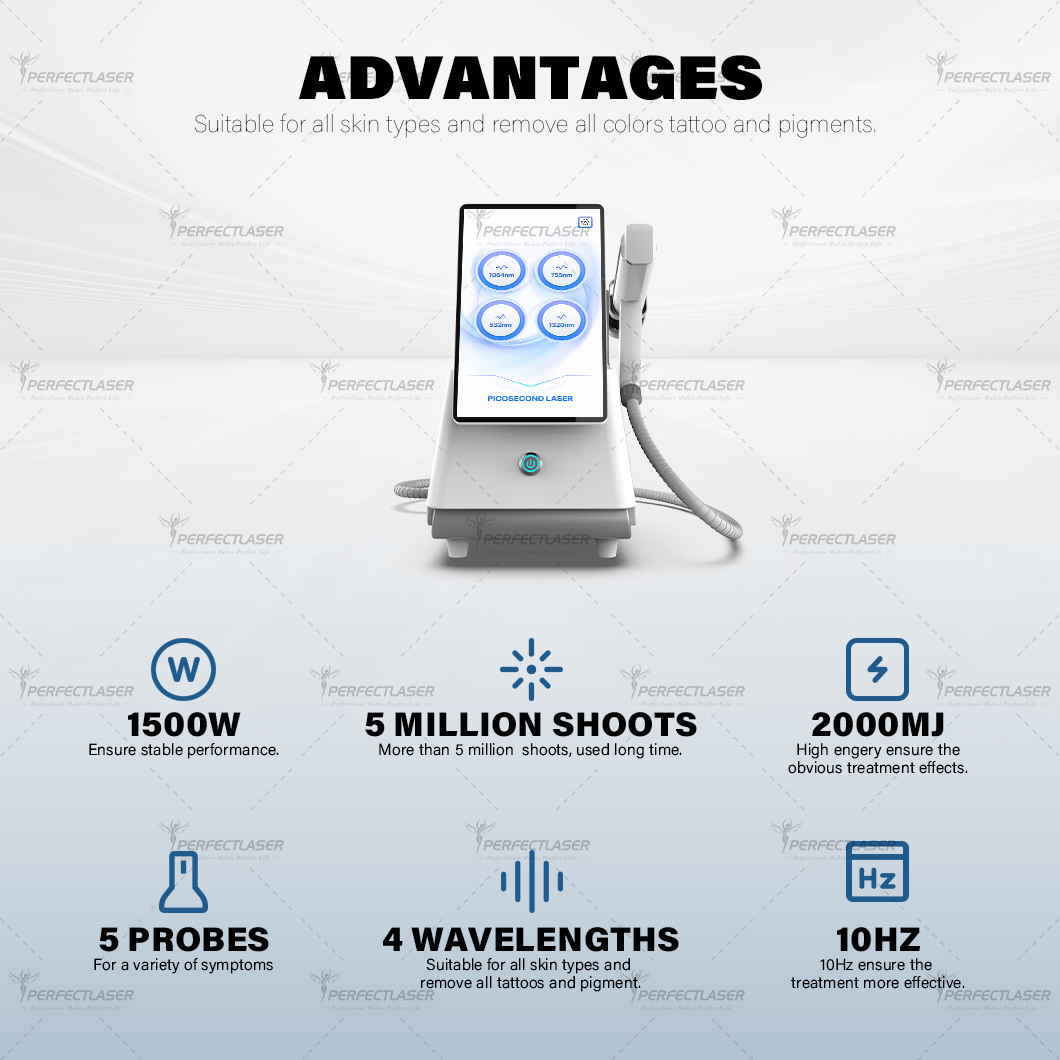
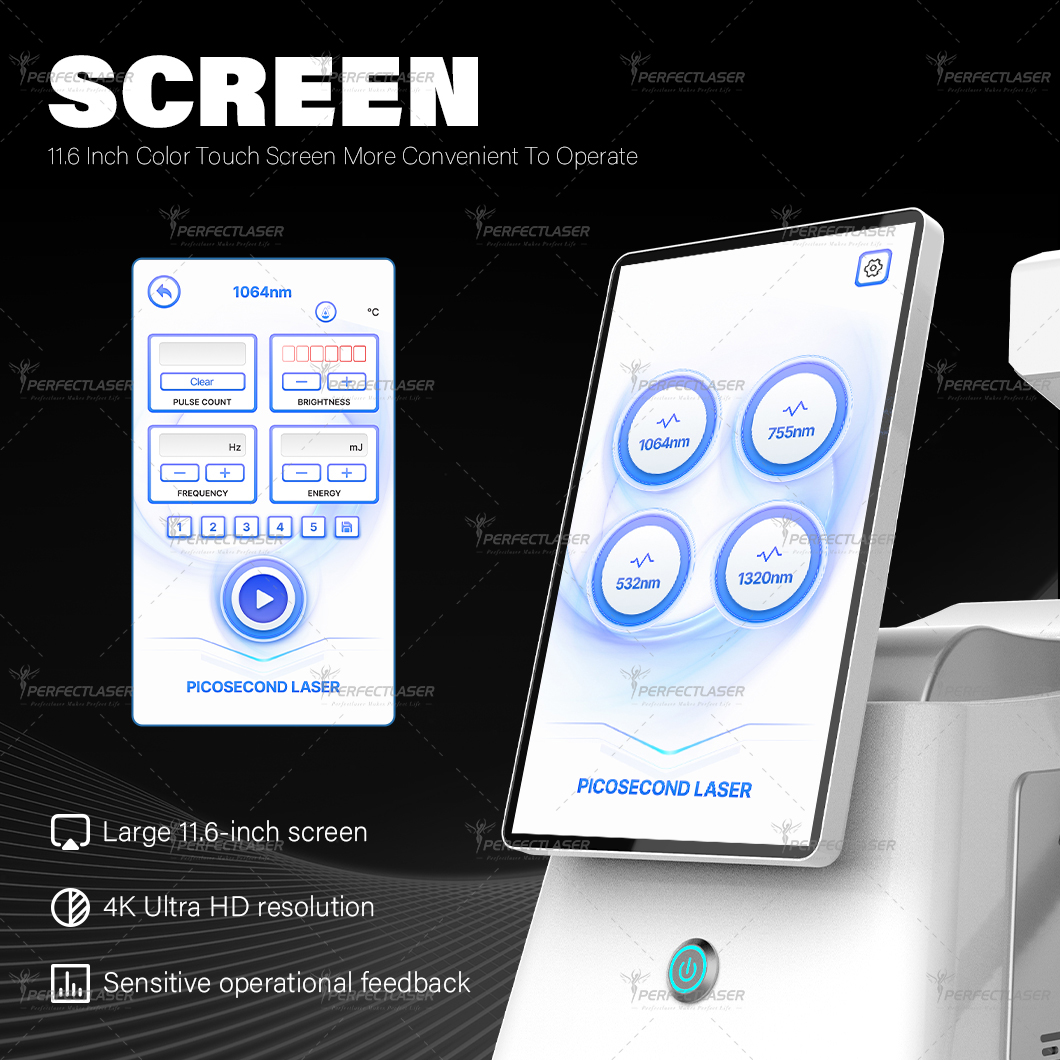
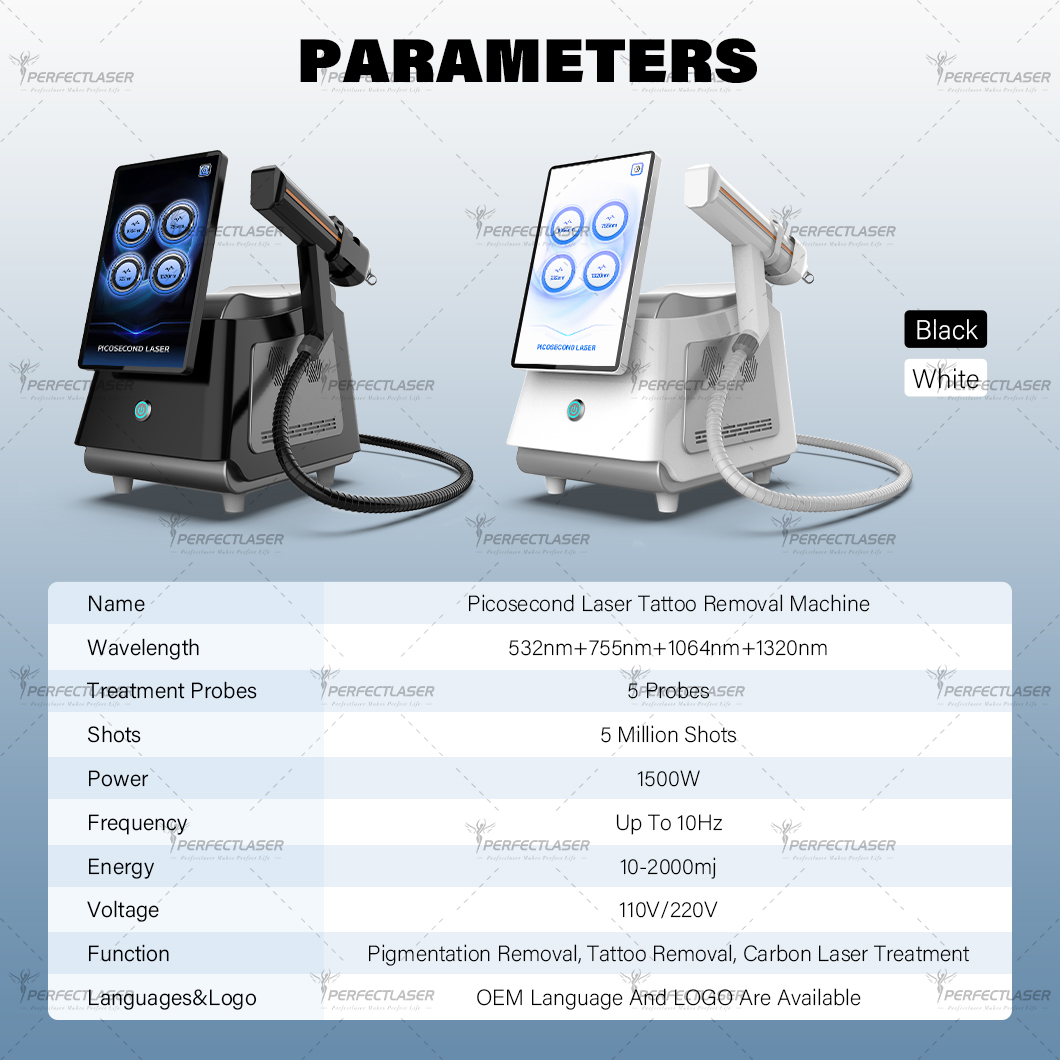
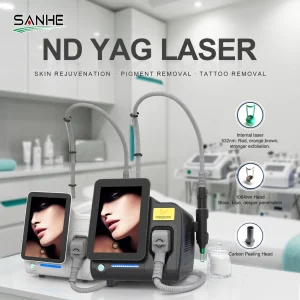
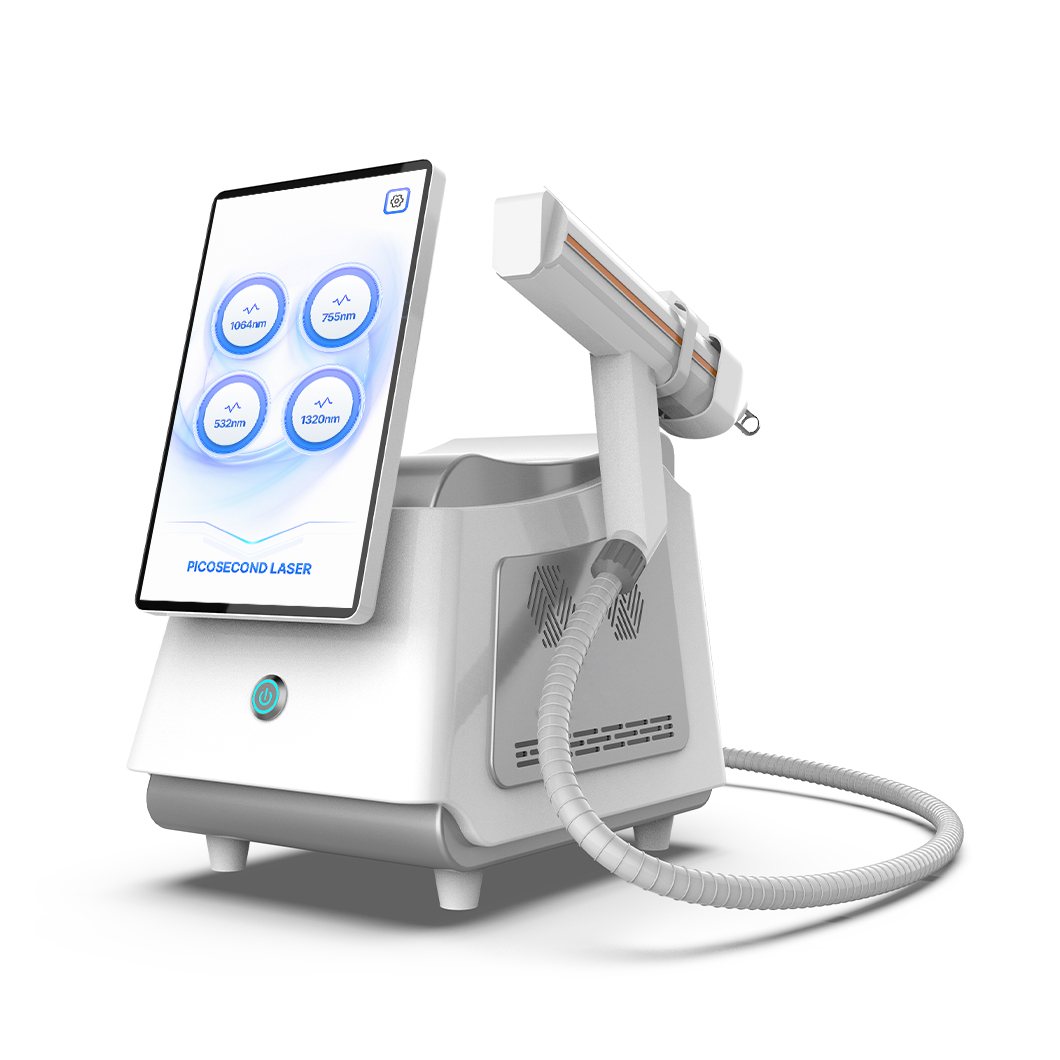
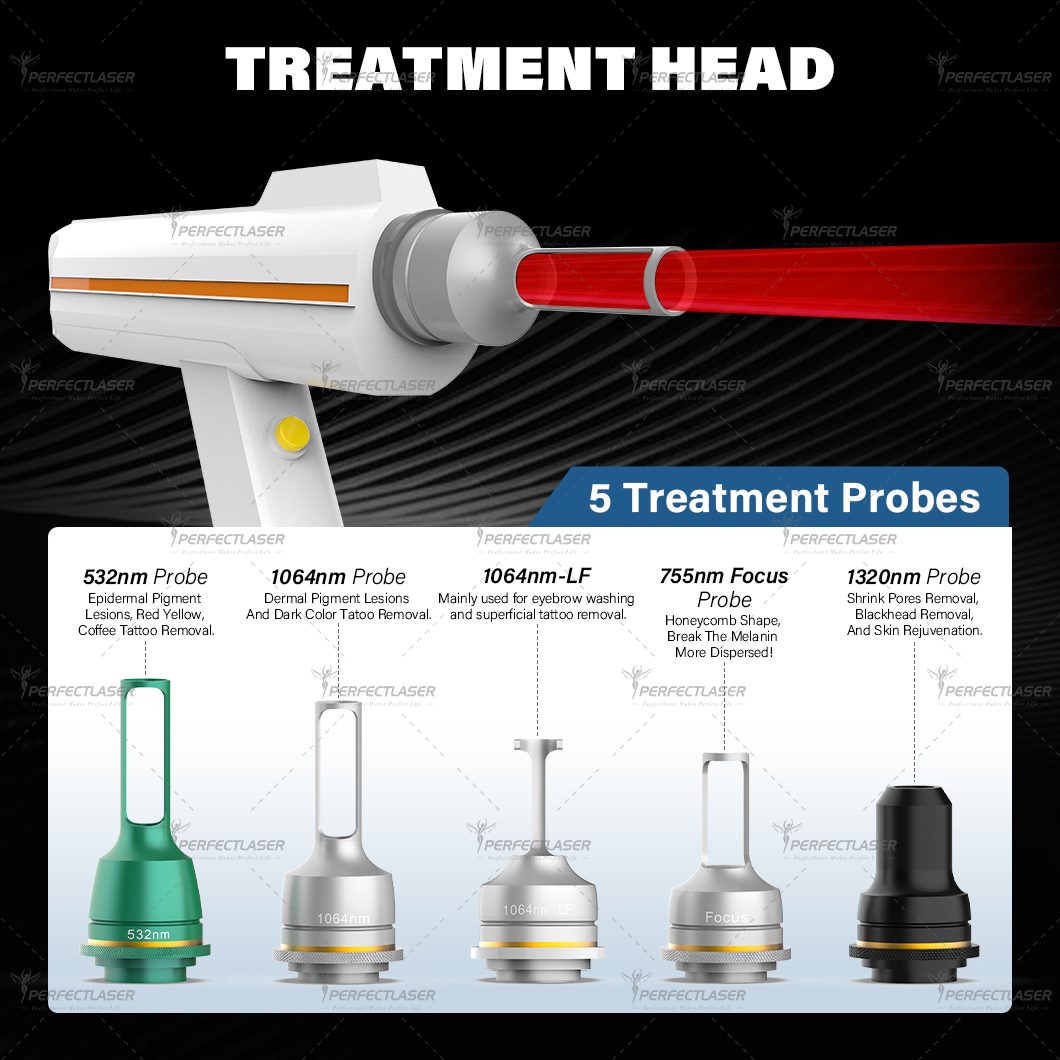
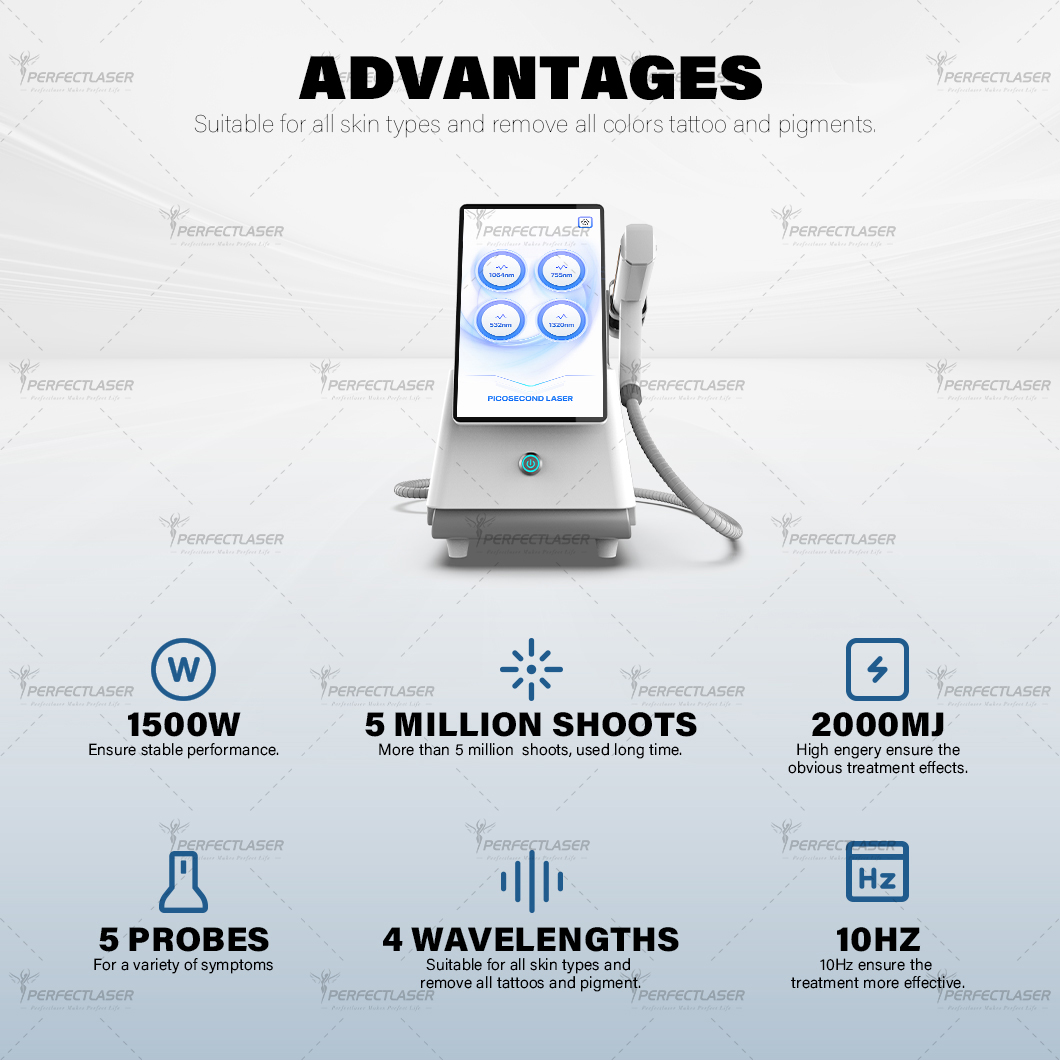
It comes with multiple wavelengths for versatile treatments: 1064nm targets dark colors like black and blue; 532nm targets bright colors like red and orange; 755nm is ideal for green and blue inks; and 1320nm is typically used for skin rejuvenation and deep cleansing (carbon peel).
How many shots can the laser handpiece deliver?
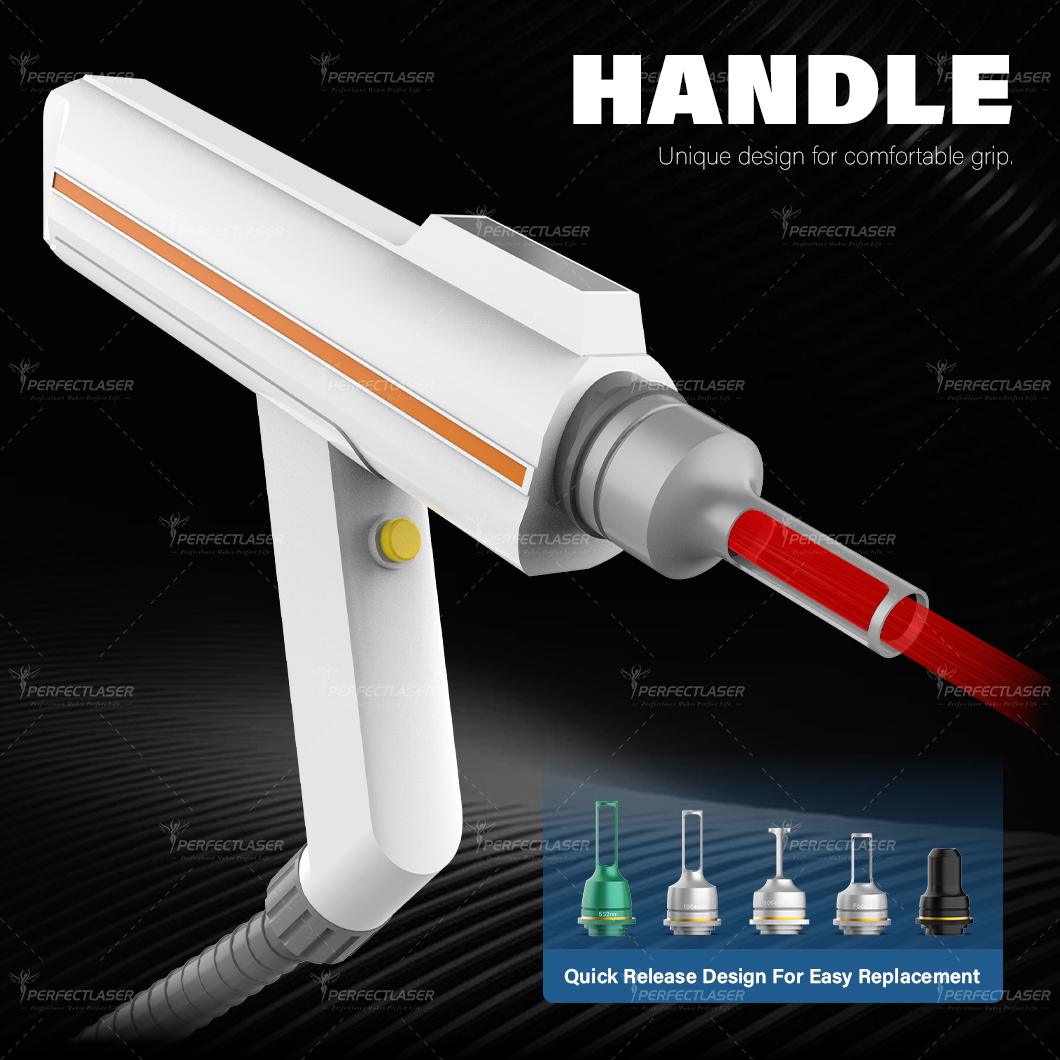
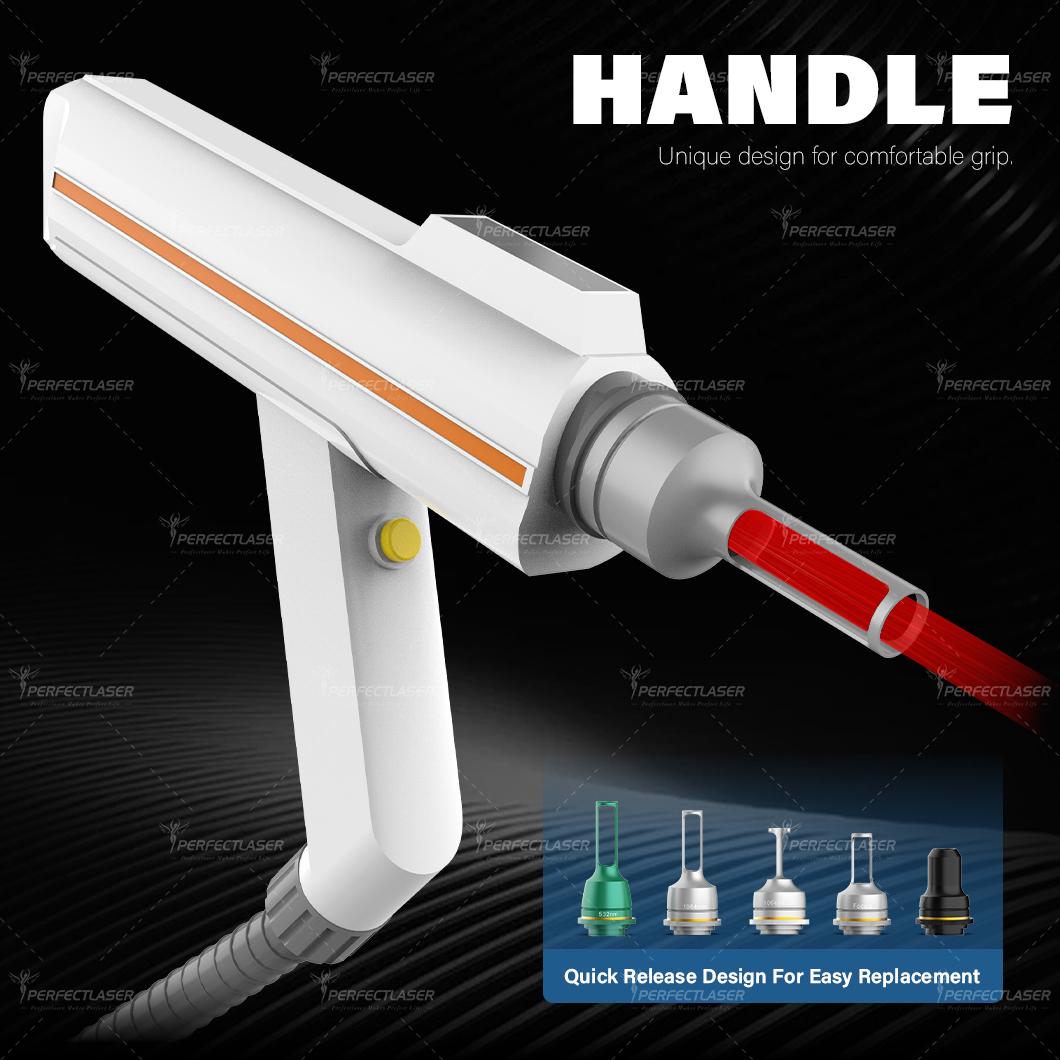
The system features a highly durable handpiece capable of delivering up to 5 million shots, providing long-lasting usage and exceptional return on investment for professional clinics.
Is the laser treatment painful, and what is the recovery time?
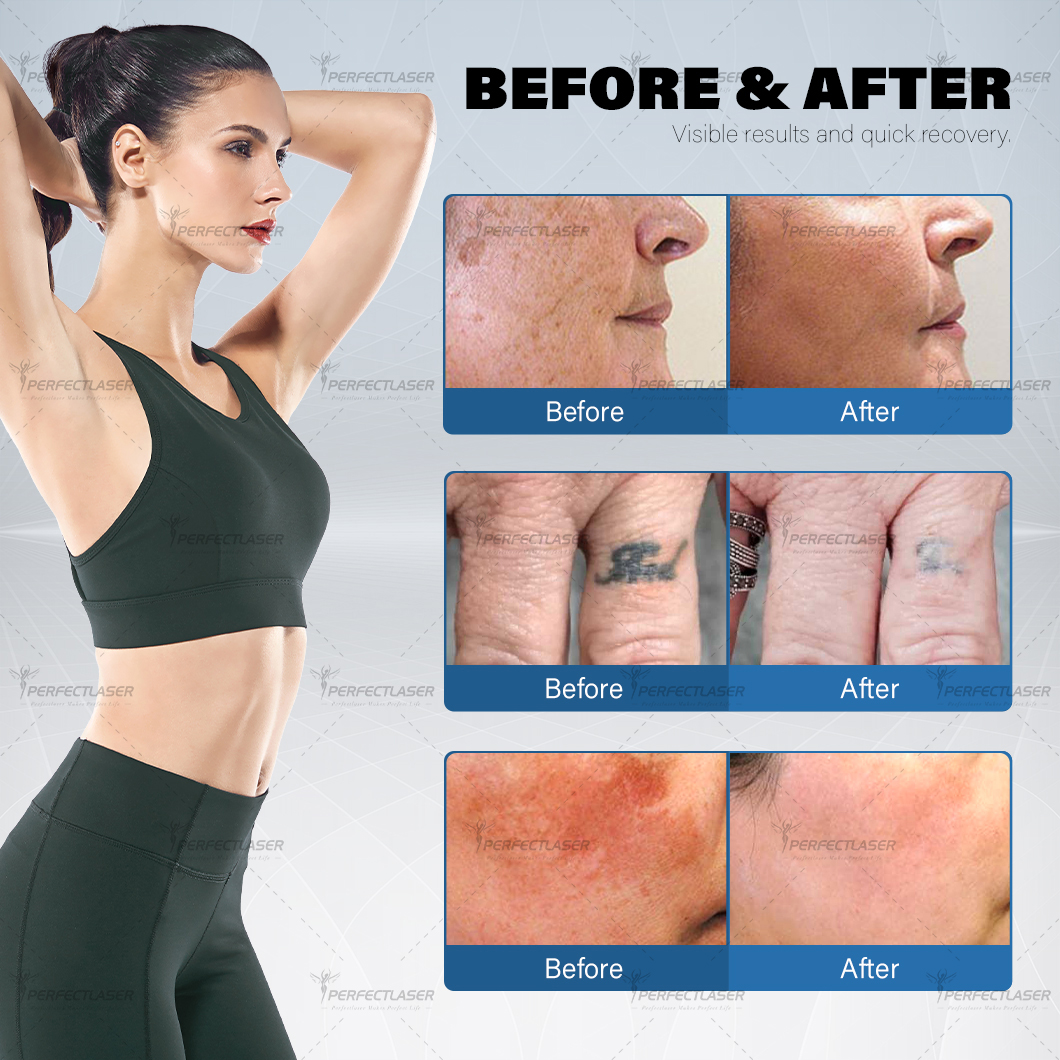
Compared to traditional Q-switched lasers, the picosecond laser reduces thermal damage to the skin, which significantly decreases discomfort and minimizes downtime. Most clients experience mild redness that resolves within a few days.
What are the power and voltage requirements of the machine?
The machine operates with a high power capacity of 1500W and supports dual voltage configurations (110V / 220V), allowing it to run smoothly and efficiently in various international electrical environments.
How many sessions are usually required to remove a tattoo?
The number of sessions depends on the size, color depth, and age of the tattoo. However, due to the high energy efficiency (up to 2000mj) and high frequency (up to 10Hz), the picosecond laser generally requires fewer sessions than older laser technologies.
 Habitue Beauty