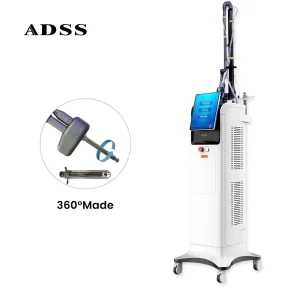
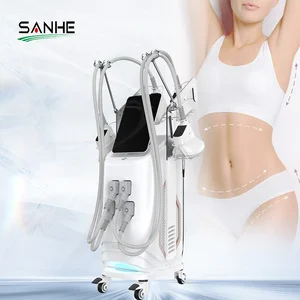
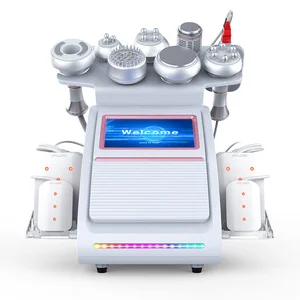
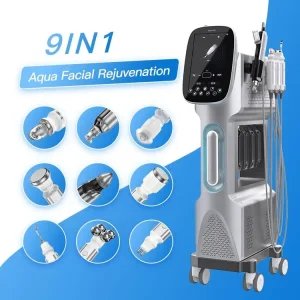
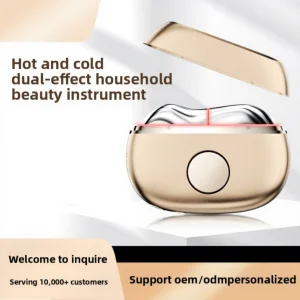
China Best Facial Cooling Device Factories & Suppliers

Guangdong Habitue Beauty Co., Ltd. - Medical-Grade Aesthetic Equipment Manufacturing & Global OEM/ODM Supply Chain Solutions

The Science of Epidermal Thermal Management

Within professional aesthetics, precision cooling is not merely a mechanism for patient comfort; it is a critical variable in clinical efficacy. Modern aesthetic protocols—ranging from Fractional CO2 lasers and high-intensity focused ultrasound (HIFU) to microcurrent therapies—rely on targeted controlled damage to stimulate dermal tissue remodeling. However, excess heat transfer to the epidermal surface can lead to thermal injury, post-inflammatory hyperpigmentation (PIH), and prolonged downtime.

By employing Advanced Thermoelectric Peltier Cooling (TEC) systems, sapphire-contact crystals, and integrated cryo-fluid loops, clinical-grade cooling devices maintain epidermal temperatures at an optimal 0°C to 5°C. This allows high-energy pulses to safely reach deep structural tissues while safeguarding the skin's surface layer. Global aesthetic centers are increasingly looking to premium manufacturing houses to secure equipment that merges heating energy modalities with instant, responsive sub-zero cooling.

0-5°C
Target Cryo Temp
98%
PIH Reduction
<3ms
TEC Response Time
ISO13485
Mfg Compliance

Global Procurement Trends for Aesthetic Cooling Systems

The global demand for non-invasive cosmetic treatments has created a surge in the procurement of high-performance beauty equipment. Purchasing directors, clinical owners, and regional distributors look for several critical requirements when selecting manufacturing partners in China:

  • Continuous Operability: Clinicians require high duty-cycle cooling machinery that can run uninterrupted through daily peak clinic hours without thermal degradation.
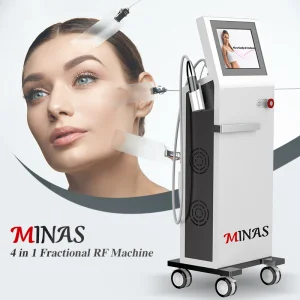
  • Multi-Modality Integration: Standard multi-functional tools—such as microcurrent systems, hydra-dermabrasion devices, and radiofrequency (RF) systems—now integrate cold hammers to facilitate immediate vasoconstriction post-treatment.
  • Regulatory Alignment: Devices must meet rigorous testing frameworks including CE, RoHS, and FDA guidelines, ensuring liability mitigation for medical spas and clinics.

Guangdong Habitue Beauty Co., Ltd. sits at the intersection of these industry requirements, offering custom OEM/ODM solutions that combine mechanical stability with modern medical standards.

Inside Guangdong Habitue's State-of-the-Art Factory

We trace our production pipeline from initial component sourcing to multi-stage calibration, demonstrating how our advanced testing methodology translates to long-term operational reliability.

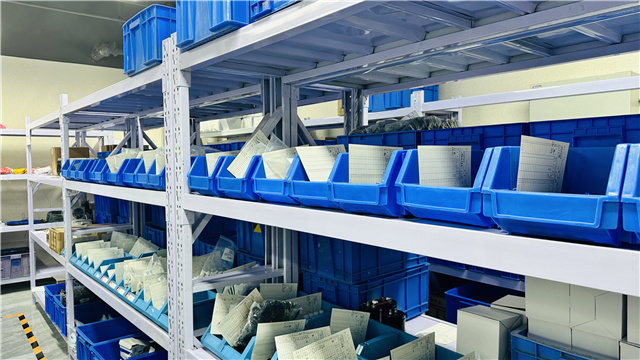
Raw materials quality check
Step 01

Raw Materials Inspection

Our Quality Control starts with component vetting. We evaluate laser diodes, thermoelectric coolers (TECs), and electronic circuitry to ensure all raw components conform to high-durability aesthetic standards.

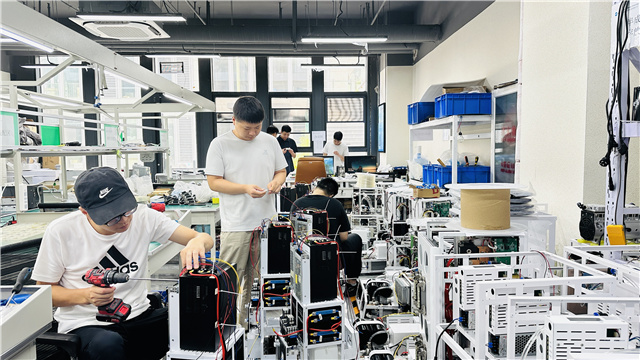
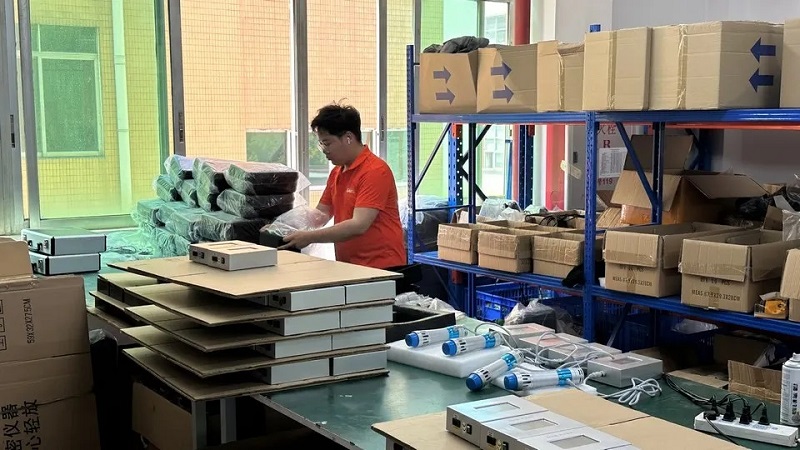
Assembly line processing
Step 02

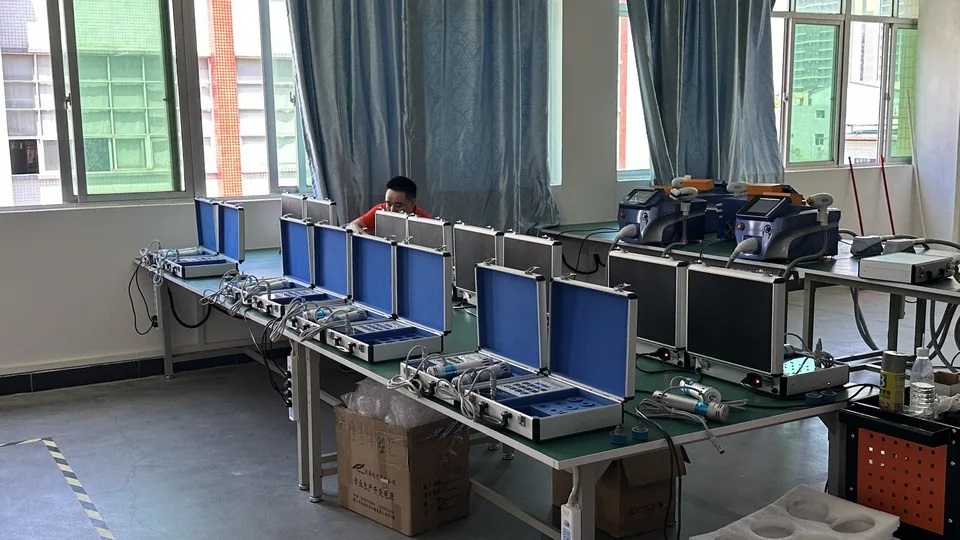
Precision Device Assembly

Components are routed to specialized, static-safe assembly tables. Experienced technical engineers construct the inner chassis, integrating internal water tanks, pumps, power supplies, and logic boards.

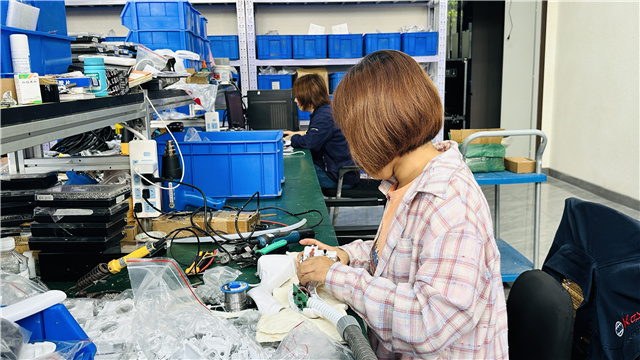
Handle assembly details
Step 03

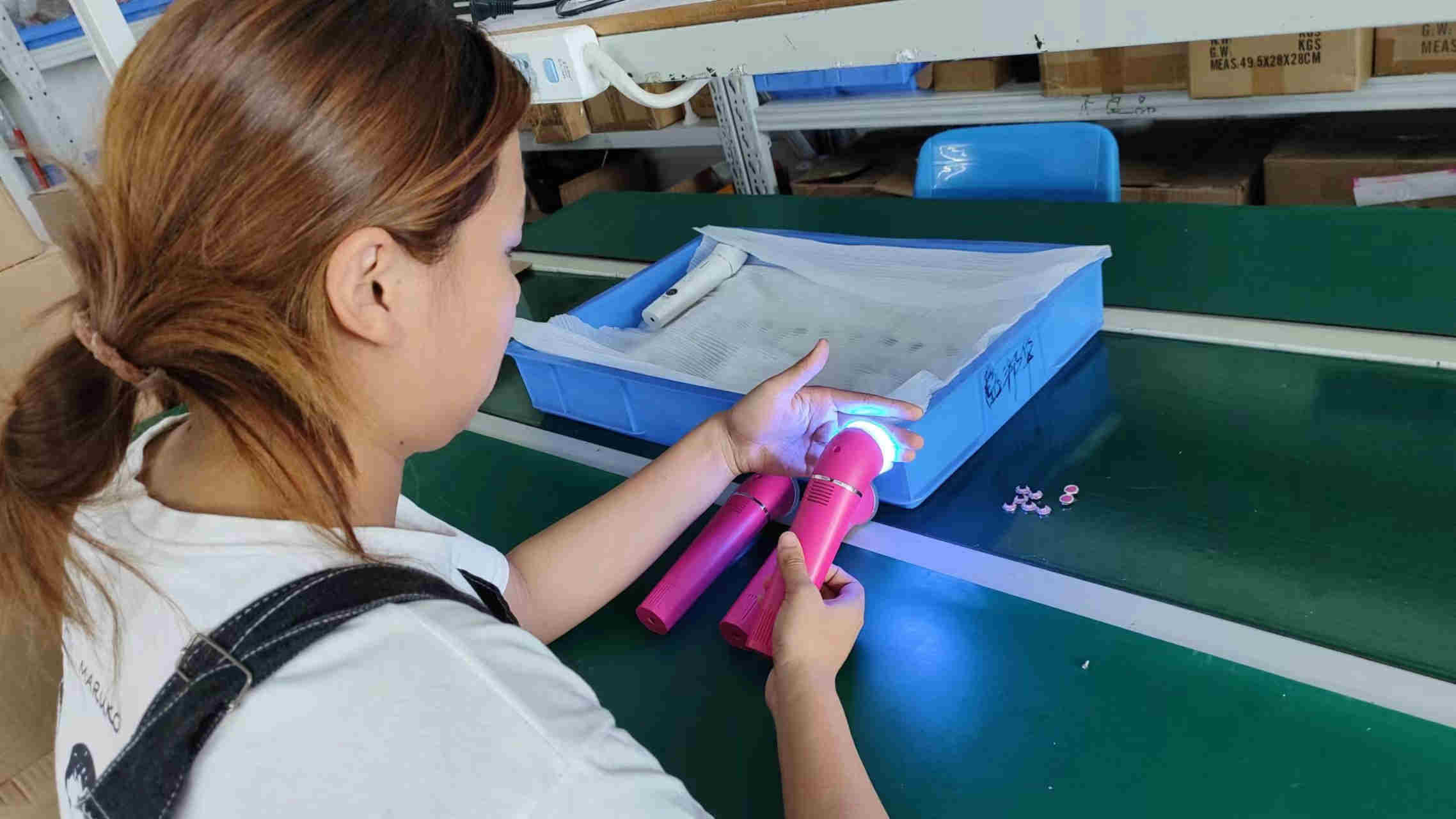
Aesthetic Handle Assembly

Treatment handpieces are assembled by hand. This includes mounting Peltier chips directly to internal copper heatsinks and installing Sapphire cooling tips to guarantee efficient thermal conduction.

Aging process control
Step 04

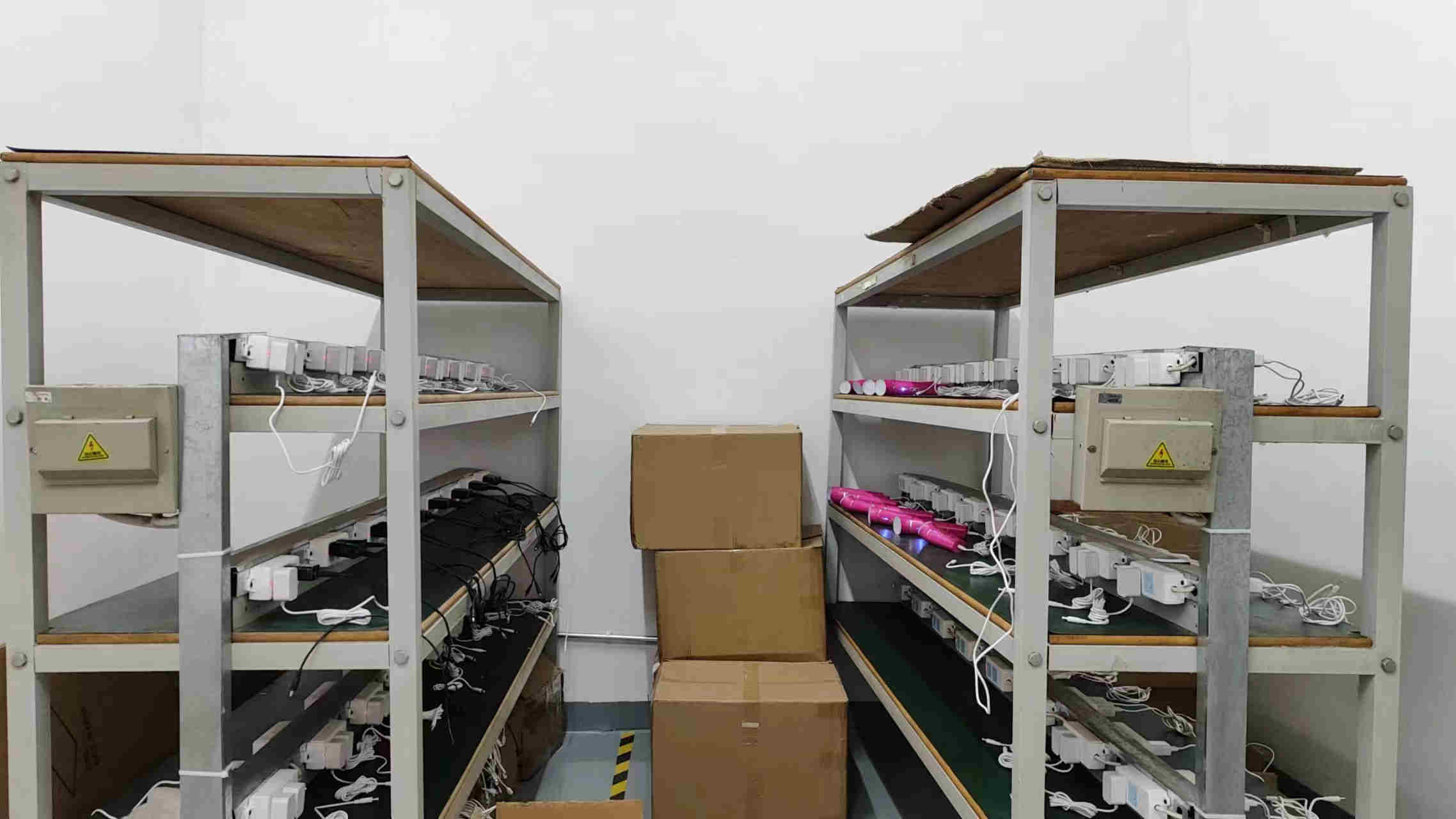
Initial Structural Aging

Fully assembled devices undergo initial electronic aging processes. Systems run continuously to detect premature semiconductor component failures or circuit irregularities prior to full inspection.

Aging testing protocols
Step 05

Intensive Aging Testing

Devices operate under stress conditions, logging power fluctuations, water cooling flows, and heat dissipation rates. This ensures the equipment works flawlessly during high-volume commercial treatments.

Secondary QC testing
Step 06

Thermal Calibration & Re-Testing

A second round of thermal testing guarantees the handpieces reach the target temperature consistently. Technicians use thermal cameras to verify uniform heat-sinking profiles across all cooling heads.

QC Inspection step
Step 07

QC Inspection & Certification

Every product is certified by the Quality Control department. We verify chassis seals, screen touch responses, system firmware calibration, and physical aesthetics to check for cosmetic flaws.

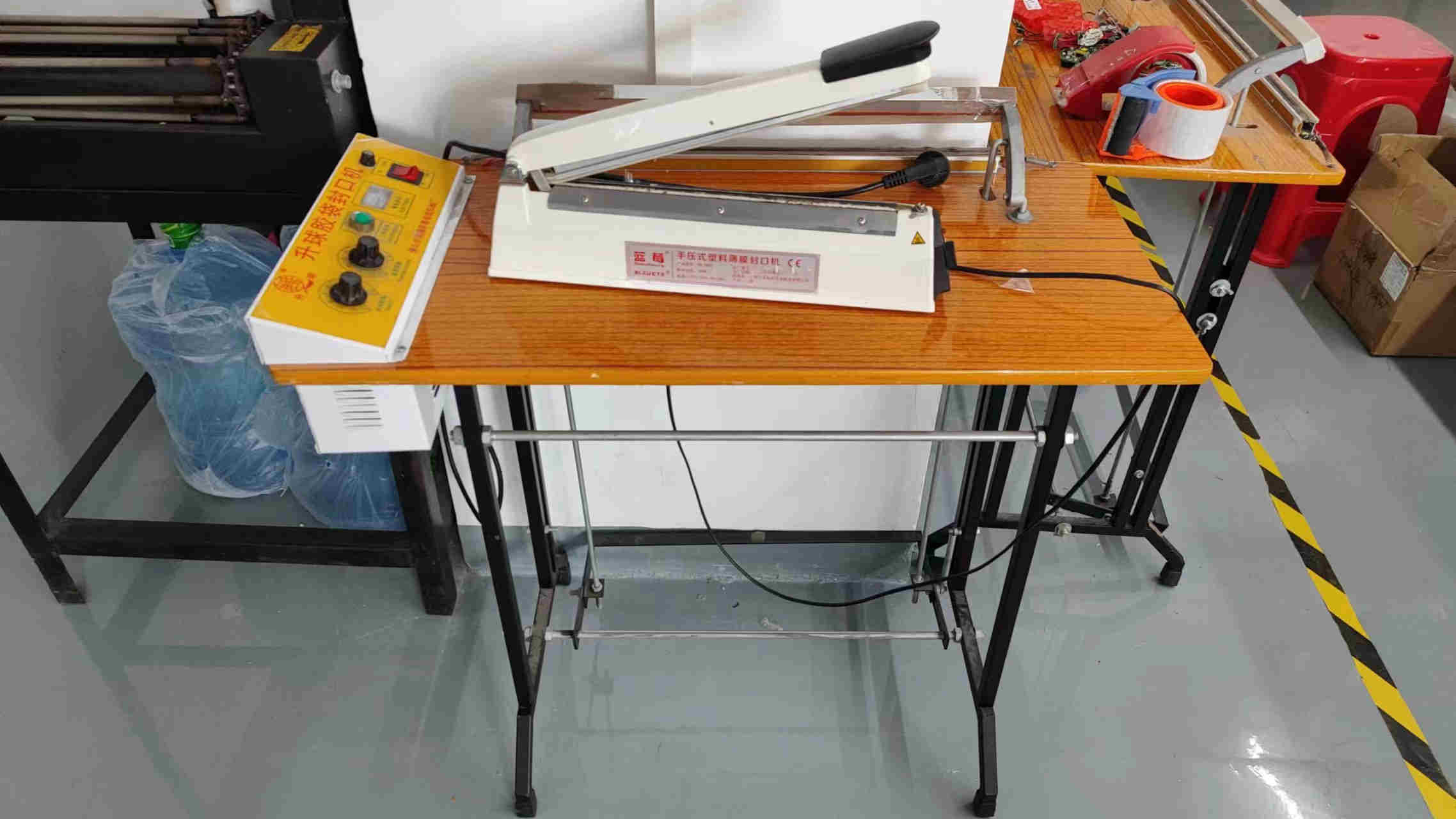
Shrink Film Wrapping
Step 08

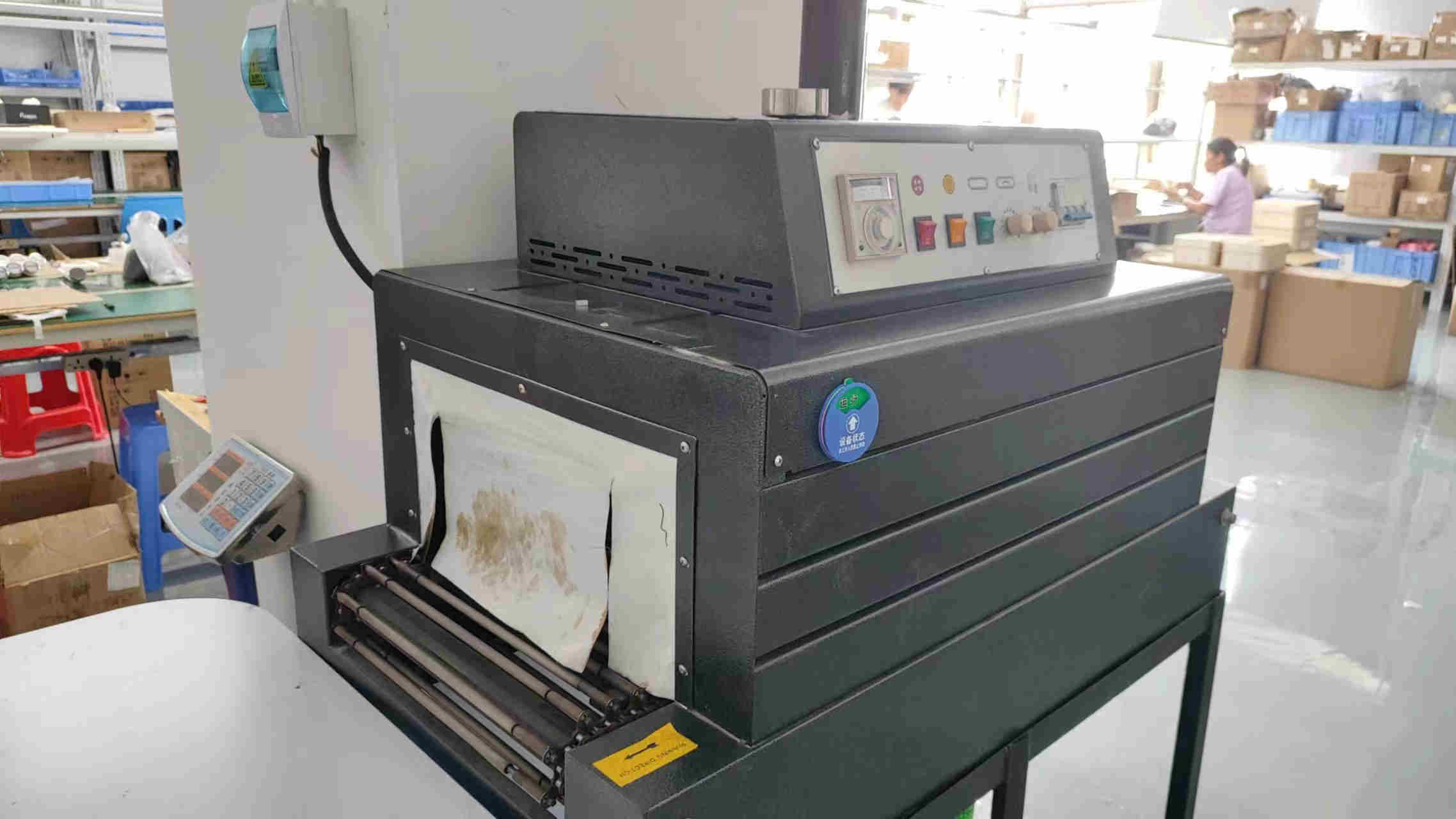
Shrink Film Machine Packaging

Each component and device is wrapped using automated heat-shrink film equipment. This shields the outer surfaces from dust, moisture, and fine scratches during subsequent steps.

Sealed Machine process
Step 09

Hermetic Sealing & Protection

We seal and pack critical accessories, including cables, hoses, filters, and manuals. This ensures the components remain sterile and protected from environmental contaminants.

Final Packaging
Step 10

Reinforced Safe Packaging

Devices are packed in heavy-duty flight cases or wooden crates lined with thick pearl cotton foam. This system absorbs impacts during long-distance international air and sea transit.

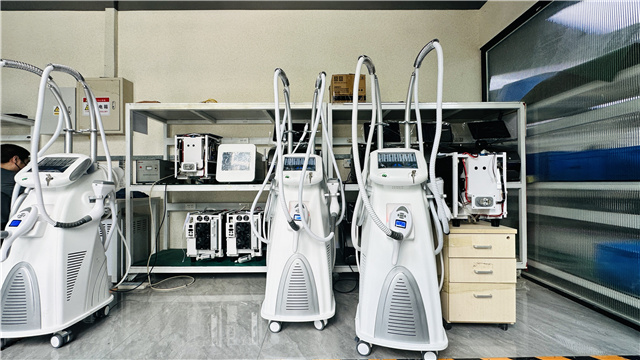
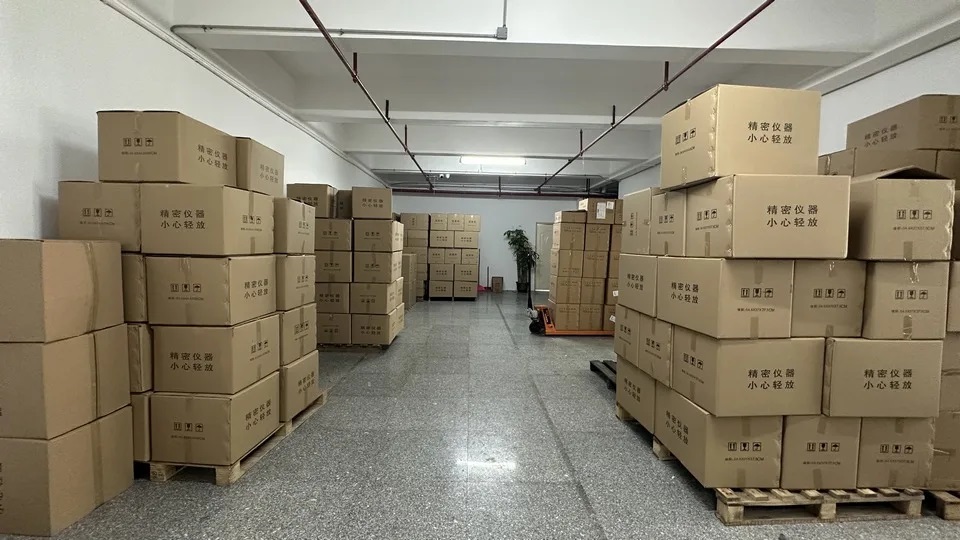
Storage house
Step 11

Storage & Global Logistics

Finished goods are organized in our temperature-controlled warehouses, ready for rapid dispatch via global distribution channels to customers in North America, Europe, Australia, and Asia.

Guangdong: The Epicenter of Global Aesthetic Engineering

Why international cosmetic brands and aesthetic clinics source their equipment fleets from the Guangdong industrial cluster.

Supply Chain Density

Guangdong's Pearl River Delta contains the highest density of mechanical, optical, electronic, and software engineering suppliers worldwide. From specialized sapphire crystal growth labs to rapid-prototyping CNC shops, we source materials locally with reduced lead times.

Highly Integrated Customization (OEM/ODM)

Our in-house R&D department modifies product designs, updates user interfaces, alters sheet metal designs, and integrates multi-energy treatment platforms to give distributors a unique competitive edge in local markets.

Strict Quality Control & Regulatory Compliance

By conducting continuous 48-hour electrical stress runs, thermal calibration checks, and pressure seal evaluations on water lines, we ensure all devices achieve high compliance ratings for clinical safety.

Clinical Applications of Epidermal Cooling

Integrating contact cooling systems directly changes treatment outcomes in three distinct application zones:

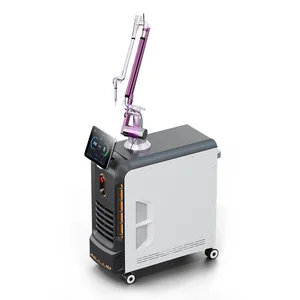
  • Post-Laser Restoration: Immediately after fractional laser resurfacing or Q-Switched Picosecond treatment, application of a -5°C Peltier cold hammer limits swelling and thermal propagation, preventing hyperpigmentation.
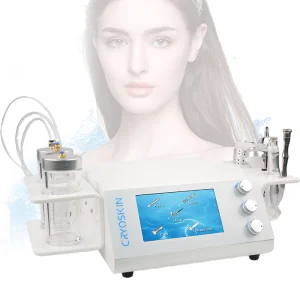
  • Hydradermabrasion Prep & Polish: Combining mechanical peel actions with cooling relaxes muscles, constricts pores post-extraction, and calms redness, enhancing the customer experience.
  • RF Microneedling Recovery: Radiofrequency micro-needles heat the deep dermis to trigger collagen production. Contact cooling prevents surface blistering, allowing clinicians to safely use higher energy levels.

Optimizing the Buyer's Value Proposition

For distributors and spa chains, purchasing directly from Guangdong Habitue Beauty Co., Ltd. resolves common industry pain points. We offer complete customization on device enclosures, user interface branding, and accessory configurations. This helps medical spa franchises deploy uniform treatment protocols across multiple branches with lower equipment overhead costs.

Furthermore, our training material packages—including step-by-step videos, technical manuals, and direct engineering access—guarantee your field teams can handle servicing and calibration independently. This decreases clinic downtime and builds customer trust in your equipment fleet.

Expert Industry Insights & FAQs

Detailed technical advice on aesthetic thermal management systems and global manufacturing procurement.

How do thermoelectric Peltier cooling (TEC) modules work in aesthetic devices?

Thermoelectric Peltier cooling relies on the Peltier effect to create a temperature difference across a semiconductor junction. When electric current flows through the module, heat is transferred from one side to the other. The cool side is connected to the treatment probe (e.g., sapphire crystal or metal plate), while the hot side is cooled by a recirculating water loop or fan system, maintaining sub-zero contact temperatures during treatment.

Why is contact cooling critical during laser and high-frequency RF sessions?

High-energy energy waves, like those from Picosecond Nd:YAG or Fractional CO2 lasers, pass through the epidermis to reach target pigments or tissues. Without active contact cooling, the epidermis can overheat, leading to burns, scarring, or post-inflammatory hyperpigmentation (PIH). Maintaining contact temperatures between 0°C and 5°C cools the surface layers, making the procedure safer and more comfortable.

What testing procedures do your devices undergo to ensure long-term stability?

Every machine undergoes a strict testing regimen: an initial 24-hour structural run, a 24-hour thermal load test under simulated clinical conditions, pressure tests for water lines, and final calibration. Afterward, the Quality Control team inspects the equipment for overall performance and finish before packaging.

What OEM/ODM customization services does Guangdong Habitue Beauty provide?

We provide full design services, including custom exterior sheet metal and shell design, custom user interfaces, logo integration, and custom accessory handpieces (such as adding RF, microcurrent, or custom wavelength modules). This helps distributors target unique local market segments.

How does water quality impact the performance of cooling devices?

Water quality is critical for micro-channel cooling systems. Using tap water can lead to mineral build-up, blocking the water channels and reducing cooling efficiency, which can cause the Peltier module to overheat. We recommend using distilled or deionized water, and changing the water filter every 3 to 6 months to maintain peak performance.