Understanding Fractional Radiofrequency: The Science Behind Fractora Systems
The global aesthetic medical market has transitioned significantly from aggressive ablative laser treatments to targeted micro-invasive alternatives. Fractional Radiofrequency (RF) technology stands at the pinnacle of this revolution. Unlike traditional lasers that target chromophores (such as water or pigment) in the upper layers of the skin, Fractional RF delivers thermal energy directly into the dermis. This selective heating mechanism is achieved through arrays of micro-needles or pin electrodes that bypass the stratum corneum, creating localized thermal zones while preserving surrounding tissue.
"By utilizing controlled bipolar radiofrequency energy, Fractora devices deliver fractional ablation and sub-necrotic thermal profiles. This maximizes collagen contraction, triggers deep-seated neocollagenesis, and reorganizes elastin fibers with minimal patient downtime."
From a clinical standpoint, this approach allows practitioners to address multi-depth skin concerns—ranging from superficial wrinkles and acne scarring to deep subdermal skin laxity. A trusted manufacturer must guarantee that the RF output is clean, stable, and highly customizable. Energy density settings, pulse durations, and mechanical tip geometries must be calibrated precisely to ensure consistent clinical results and patient safety across various skin types (Fitzpatrick scale I-VI).
Deep Dermal Remodeling
Thermal energy penetrates deep into the dermis, initiating robust collagen synthesis and restructuring the extracellular matrix.
Minimal Downtime
Fractional energy delivery preserves healthy bridges of skin between targeted zones, accelerating healing and recovery.
Safe for All Skin Types
Bypassing superficial melanin reduces the risk of post-inflammatory hyperpigmentation (PIH), making it ideal for darker skin types.
Global B2B Aesthetic Trends: Why Fractora Devices are in High Demand
The global demand for non-surgical cosmetic procedures has grown significantly, driven by an aging demographic and shifting consumer preferences towards rapid, natural-looking results. Market intelligence indicates a strong focus on skin resurfacing and tightening. Consequently, medical spas, dermatology clinics, and large aesthetic franchises are expanding their inventory to include modular and multi-use fractional RF systems.
Key Factors Driving Global Procurement:
Scalable ROI for Clinics: The low cost of consumables (replacement needle tips) paired with premium service pricing makes Fractora treatments highly profitable for B2B buyers.
Combination Therapy Adaptability: Fractional RF integrates well with PRP (Platelet-Rich Plasma), exosomes, and topical serum infusions, allowing clinics to create customized treatment packages.
Regulatory Standards (MDR & FDA): Emerging regulatory frameworks in Europe and North America demand that manufacturers supply systems with proven clinical efficacy and certified safety standards.
45%
Annual Growth in Fractional RF Demand
80+
Exporting Countries & Regions
15+
Years R&D Excellence
99.8%
Quality Pass Rate
China's Industry 4.0: Guangdong Habitue Beauty's Manufacturing Advantage
In aesthetic medical manufacturing, cost efficiency cannot compromise quality. Guangdong Habitue Beauty Co., Ltd. operates at the intersection of cost-efficiency and technical precision. Located in Guangdong Province, the global center of advanced electronics and medical hardware, Habitue Beauty leverages China's advanced industrial ecosystem.
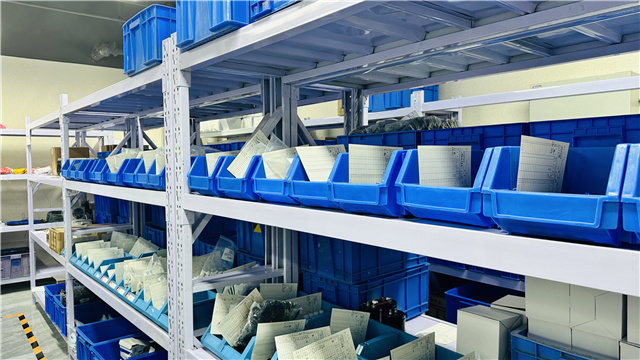
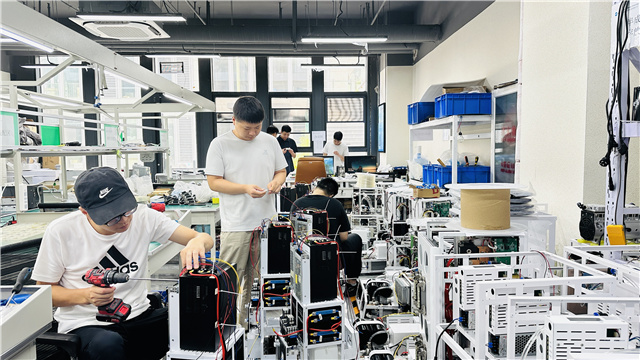
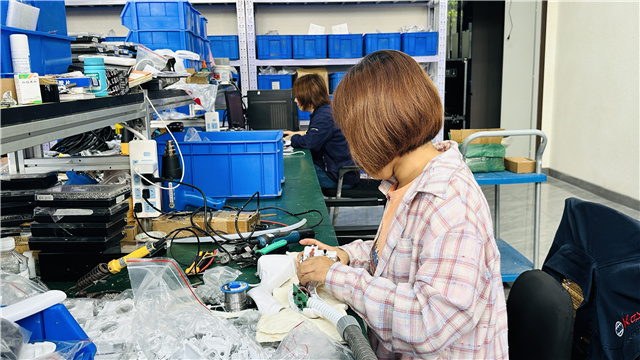
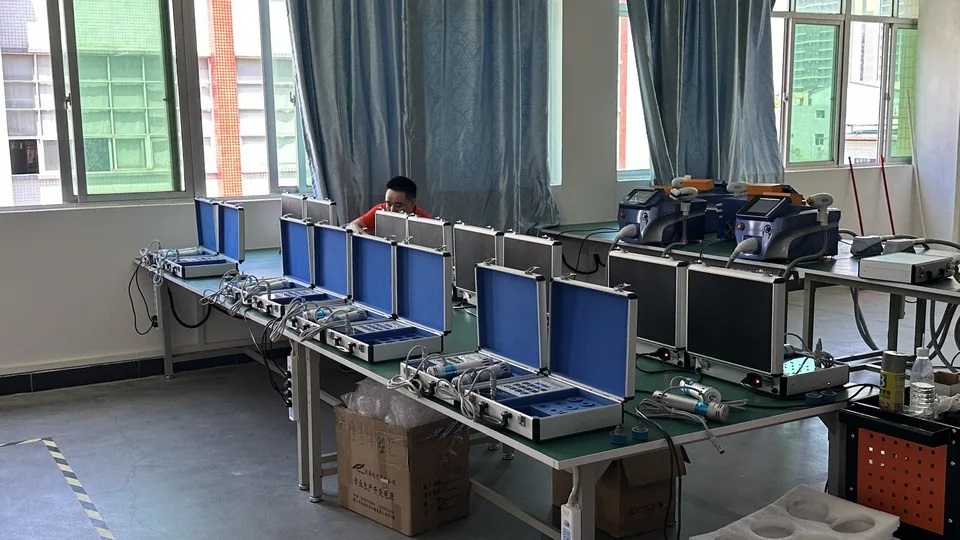
Our facility implements Industry 4.0 standards. This approach integrates supply chain systems, computerized testing arrays, and semi-automated assembly configurations to reduce production cycle times while maintaining high precision.
System interface design, chassis structural development, custom tip specs
Basic logo printing and color options
Supply Chain Integration
Direct local component sourcing (Guangdong Electronic cluster)
Import-dependent, multi-tiered subcontracting
Advanced Manufacturing Facility & Quality Control Workflow
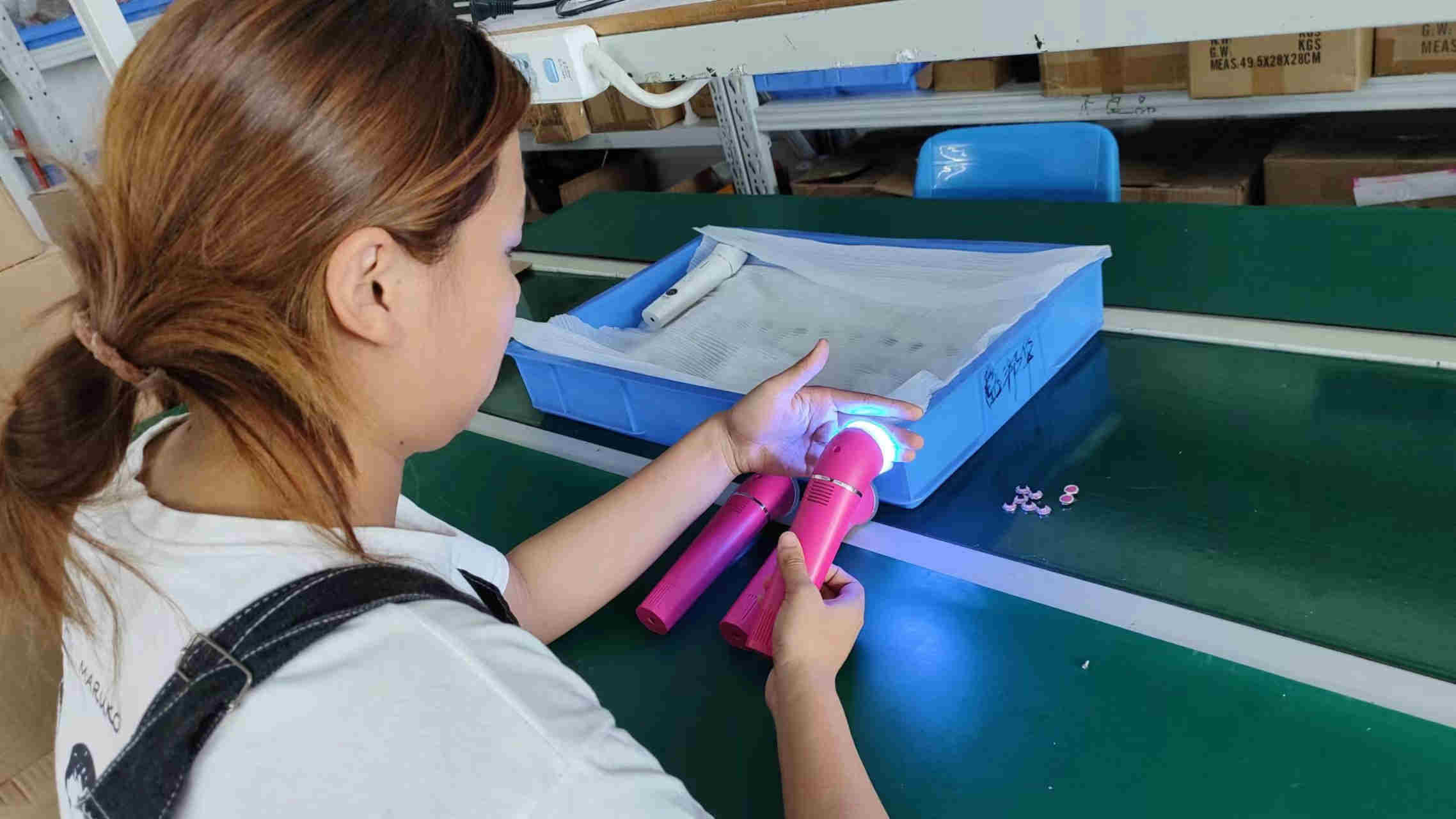
Guangdong Habitue Beauty Co., Ltd. maintains a strict manufacturing process. Every production stage, from raw material procurement to final sealing, is closely monitored to ensure safety, reliability, and international compliance.
Raw Materials Incoming Quality Check
Chassis & Electronics Assembly
Precision Handle Calibration
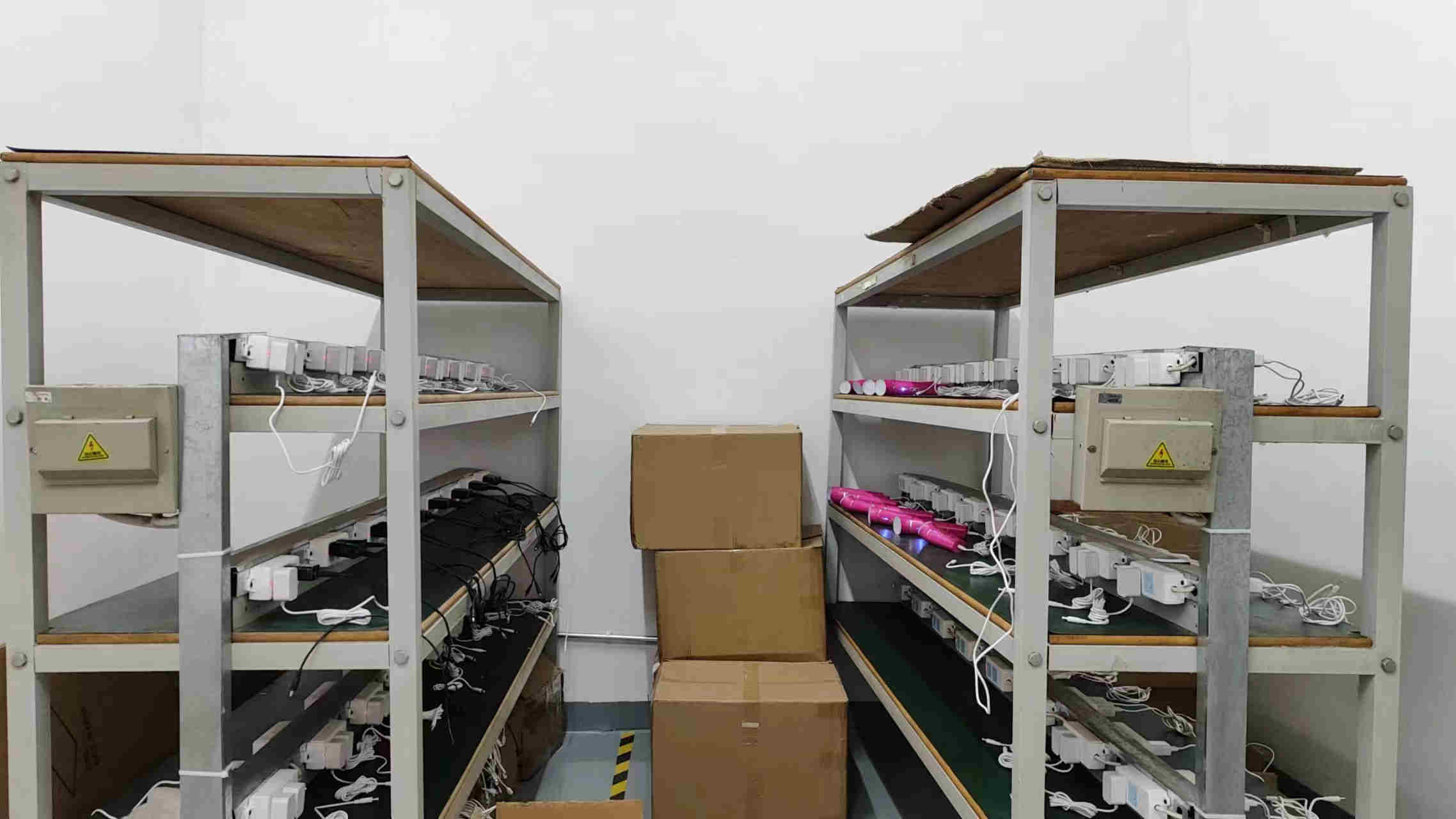
Pre-Calibration Burn-in Phase
Continuous Load Aging Testing
Strict QC Electrical Safety Inspection
RF Waveform & Calibration Aging
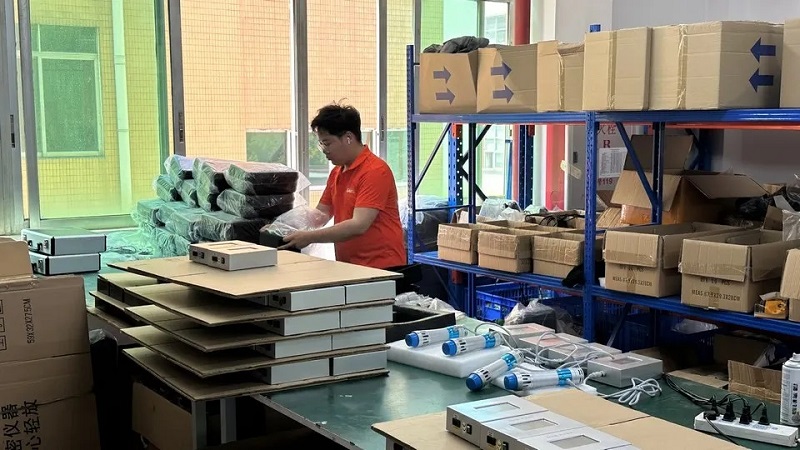
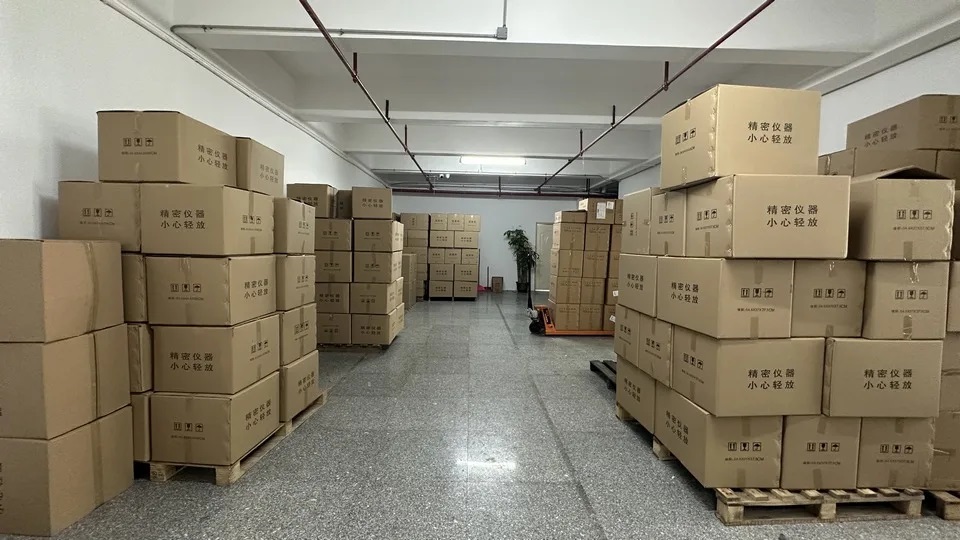
Shockproof Logistics Packaging
Clean-Room Finished Product Storage
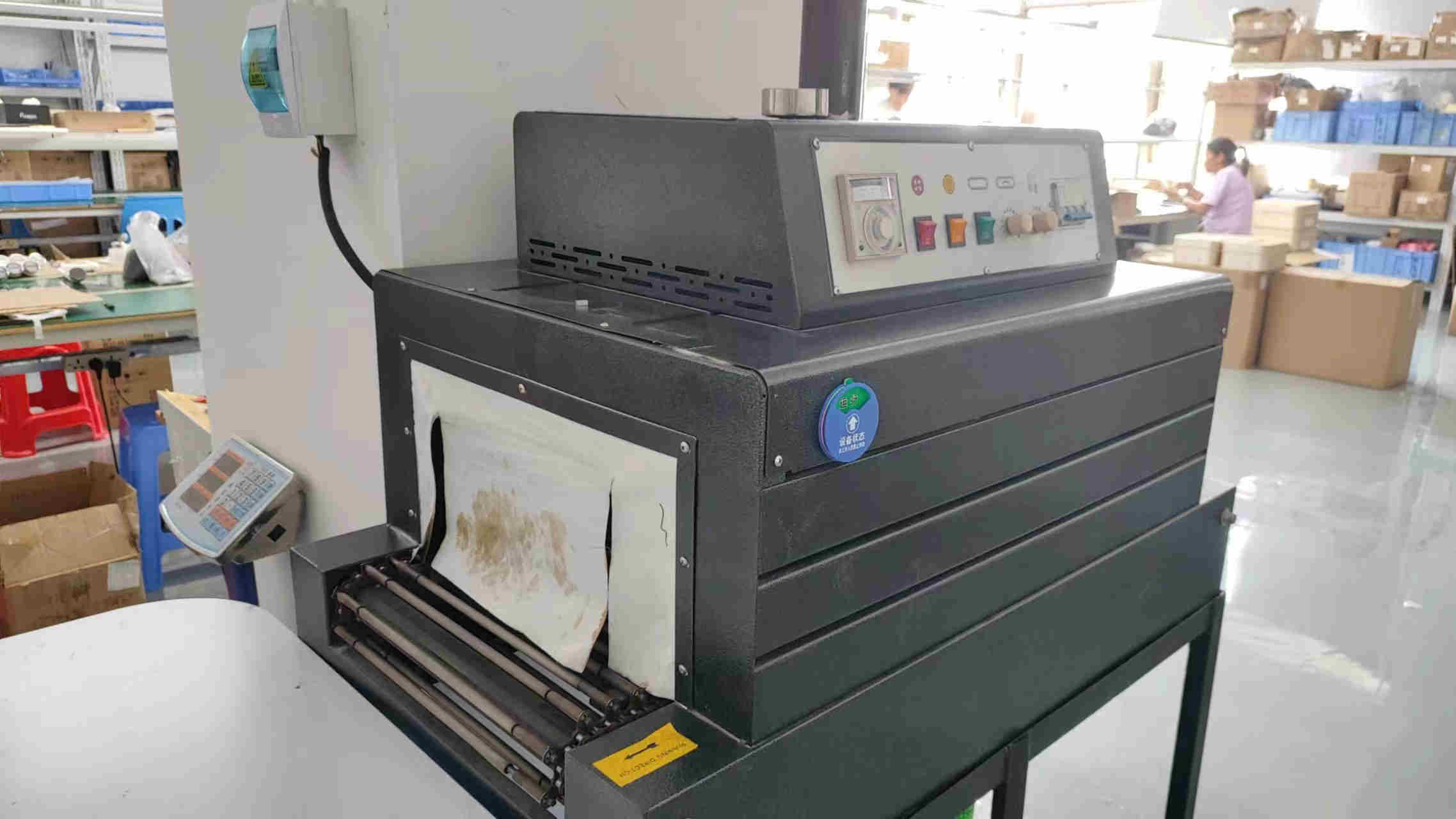
Dustproof Shrink Wrapping
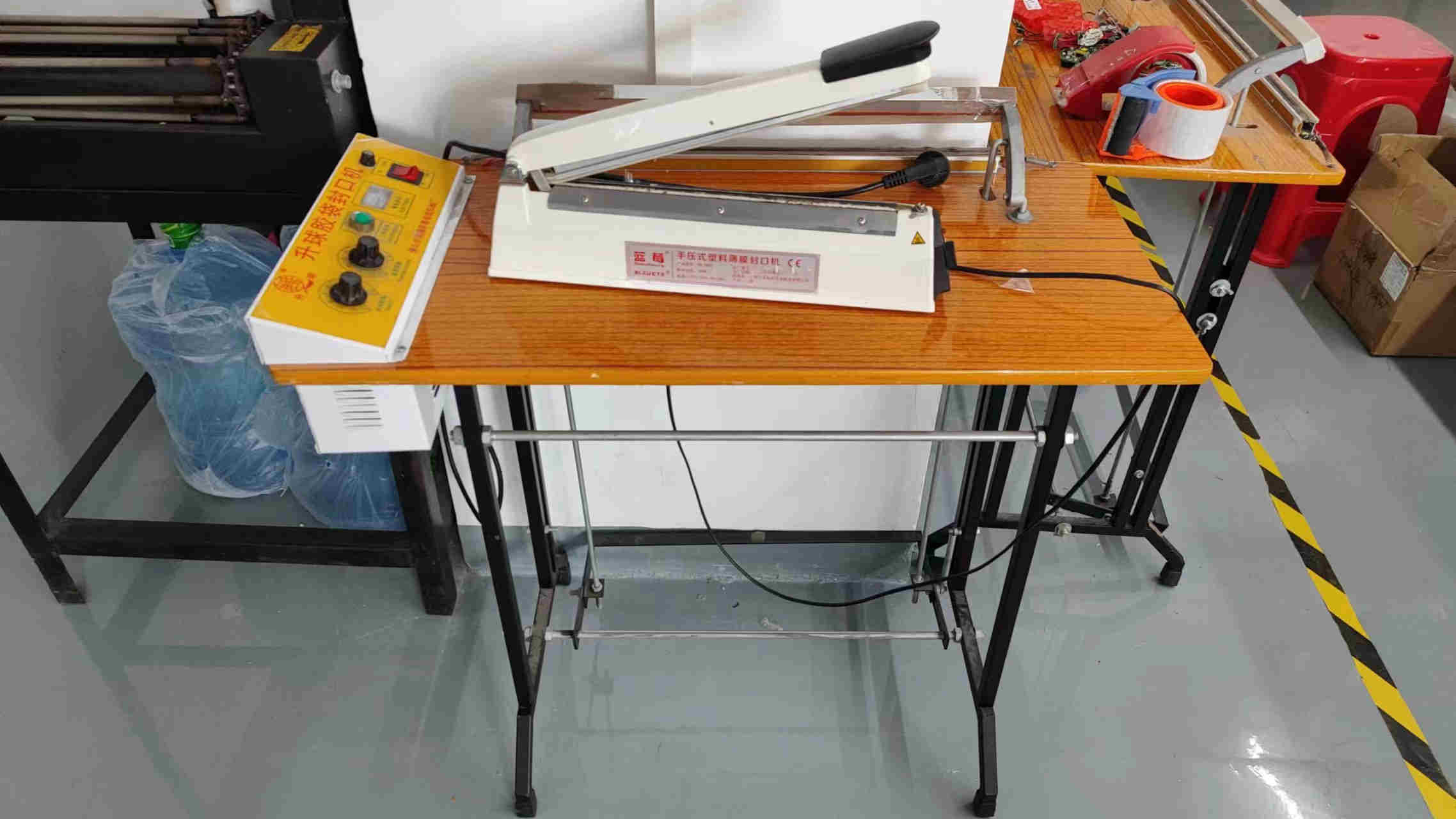
Final Hermetic Sealing & Ship Preparation
Targeted Application Scenarios for the Global Aesthetic Market
Bipolar fractional RF devices are versatile systems suitable for a variety of clinical and aesthetic environments. Our global clients use these devices across several key application scenarios:
For dermatology clinics, managing cystic acne scars is a significant priority. Fractional RF devices are effective for this indication, using insulated micro-needles to deliver RF energy directly into the fibrous tissue of the scar without causing surface epidermal burns. This process breaks down scar tissue and stimulates the synthesis of type I and type III collagen.
2. Medical Spa Anti-Aging & Non-Surgical Face Lifts
Medical spas utilize non-insulated pins to treat superficial wrinkles, fine lines, and uneven skin texture. This configuration heats the dermal-epidermal junction, promoting immediate tissue contraction and subsequent remodeling, which provides a lifting effect.
3. Body Contouring and Striae Gravidarum (Stretch Mark) Treatments
Because stretch marks represent torn dermal tissue, targeting them requires deep energy penetration. Using high-density pin tips, clinicians can deliver energy down to 4.0mm into the subcutaneous boundary, helping to tighten loose skin and fade the appearance of stretch marks over 3 to 5 sessions.
B2B Technical & Sourcing FAQ
What certifications do your Fractora-equivalent and Fractional RF devices hold?
Our manufacturing processes follow ISO 13485 quality systems. We provide OEM/ODM systems compliant with CE, Medical CE (under MDR guidelines), and FDA parameters, ensuring smooth customs clearance and regulatory alignment in your destination country.
How does Guangdong Habitue Beauty manage post-purchase technical support?
We provide a 1-to-2 year warranty on all aesthetic machines. Technical support includes online video guidance, direct engineering support, spare parts inventory logistics, and user-interface software updates.
What OEM/ODM customization services are available?
We offer full OEM/ODM services, including customized shell designs (CAD/3D modeling), multi-language software development, specialized configuration settings (RF frequency, impedance tracking), and custom logo branding.
How does your factory ensure the safety of fractional RF electrodes?
We source bio-compatible gold-plated needles and medical-grade polymers. Every production run undergoes continuous load testing and RF waveform analysis to ensure energy is delivered uniformly, preventing thermal hotspots.
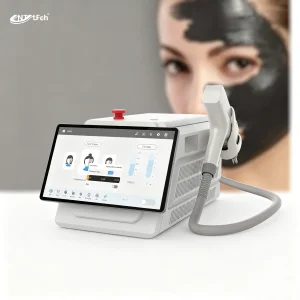
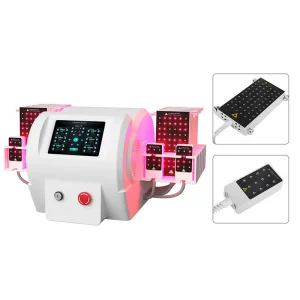
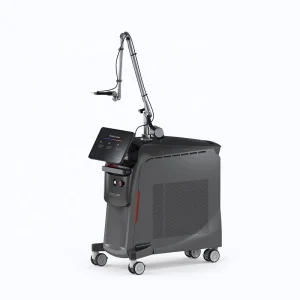
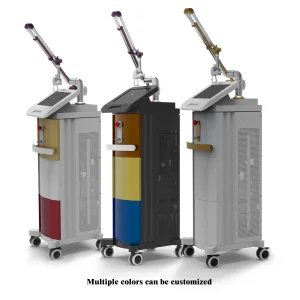
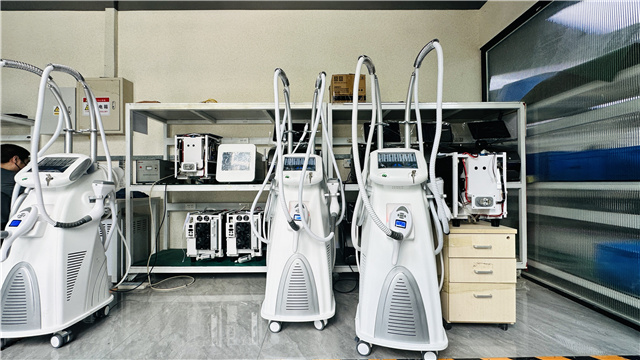
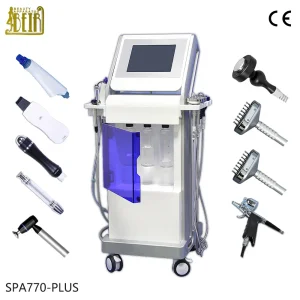
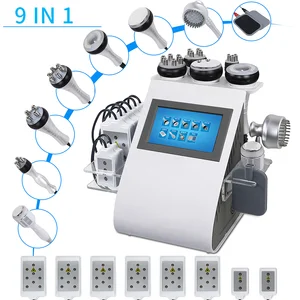
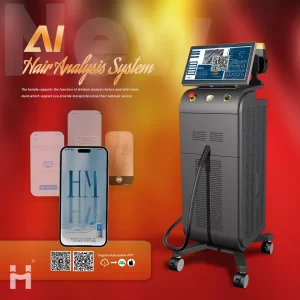
Featured Precision Aesthetic Systems - Bottom Lineup
 Habitue Beauty