Executive Summary & Global Aesthetic Technology Dynamics
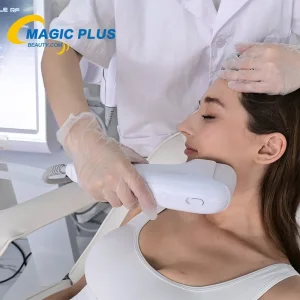
The global market for non-invasive skin rejuvenation has experienced exponential growth over the past decade, driven by consumer demand for zero-downtime procedures with high clinical efficacy. Among the primary modalities, Radiofrequency (RF) Skin Rejuvenation Systems have emerged as the gold standard for tissue tightening, neocollagenesis, and non-surgical facial remodeling. By delivering controlled electrical current deep into the dermal layers, RF platforms achieve selective thermal disruption, stimulating the natural healing cascade without compromising epidermal integrity.
China, particularly the industrial powerhouse of Guangdong Province, has evolved from a component manufacturer into a primary hub of R&D and complete system engineering for medical-grade beauty technologies. Leading entities like Guangdong Habitue Beauty Co., Ltd. represent the modern shift toward advanced aesthetic technologies. Utilizing sophisticated electronic architectures, strict QA systems, and custom engineering capabilities, these manufacturers supply global markets with platforms that challenge Western alternatives in performance, safety certifications, and return on investment (ROI).
Radiofrequency systems transfer energy through electrical current (not light energy as in lasers), rendering the treatments independent of skin phototype (Fitzpatrick Scale I-VI). The primary physical process is dielectric heating. When the high-frequency current passes through tissue, the natural resistance (impedance) of the tissue to the movement of electrons generates heat. Collagen fibers, when heated to temperatures between 55°C and 65°C, undergo immediate contraction due to the cleavage of heat-labile intramolecular cross-links. This is followed by a prolonged neocollagenesis phase (lasting 3–6 months) driven by fibroblast activity.
RF Modality
Depth of Penetration
Primary Application
Target Tissue Layers
Monopolar RF
Deep (up to 20mm)
Deep structural tightening, fat reduction
Deep dermis, subcutaneous adipose tissue
Bipolar / Multipolar RF
Superficial to Medium (2mm - 5mm)
Fine wrinkle reduction, skin texture refinement
Papillary & reticular dermis layers
Fractional / Microneedle RF
Adjustable (0.5mm - 3.5mm)
Acne scar remodeling, deep dermal rejuvenation
Direct mechanical & thermal dermal targeting
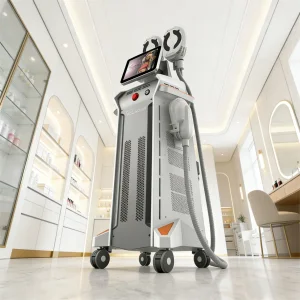
Integrating these technical modalities into robust aesthetic devices requires advanced power management, precise impedance matching, and real-time thermal monitoring to ensure patient safety and clinical results. This level of system engineering is what distinguishes leading factories in China's manufacturing landscape.
Guangdong Habitue Beauty Production Blueprint
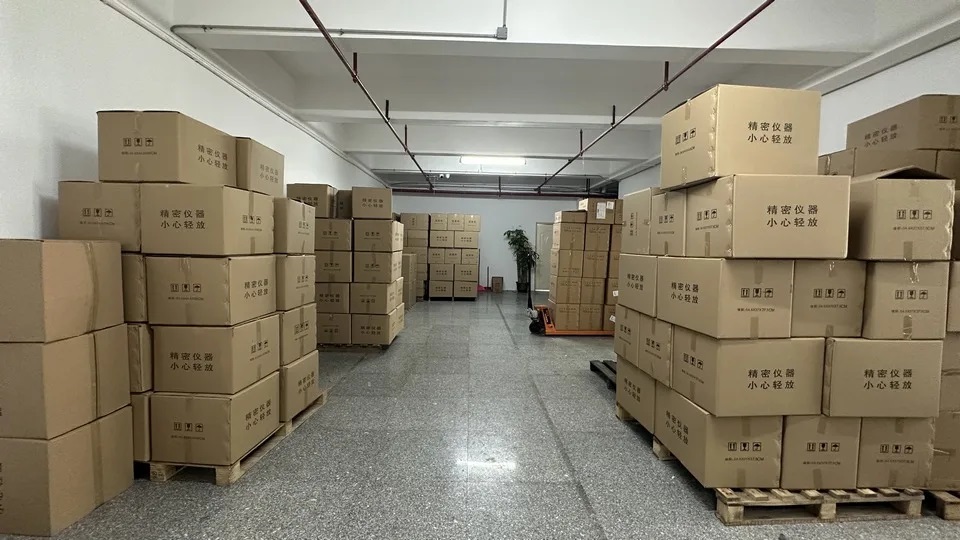
Raw Materials Receiving Center
Chassis Assembly Station
Aesthetic Handle Configuration
Electronic Board Testing
High Voltage & Load Testing
Protective Shell & Shock Absorption
Sterile Finished Product Storage
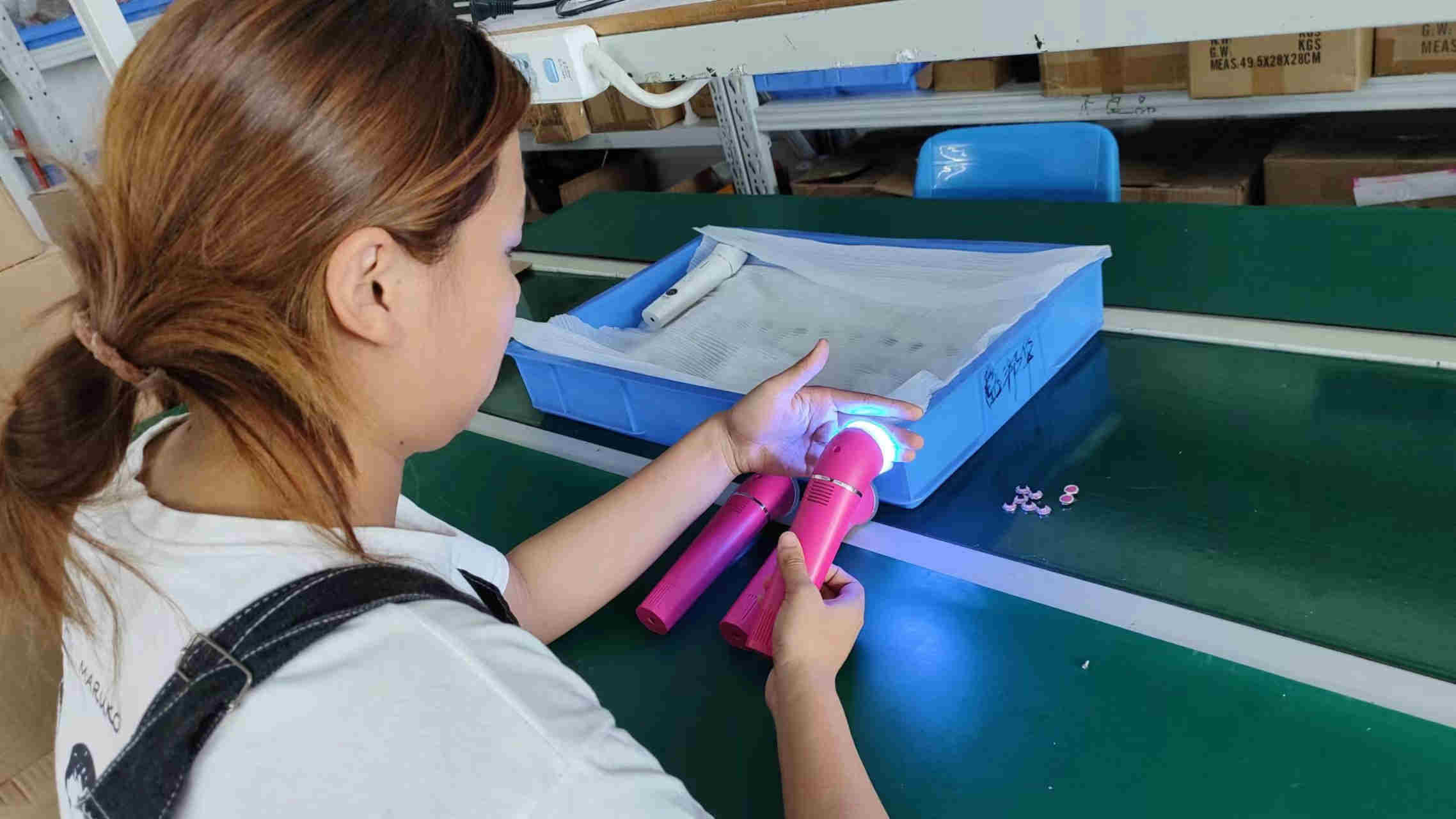
Multistage Quality Inspection
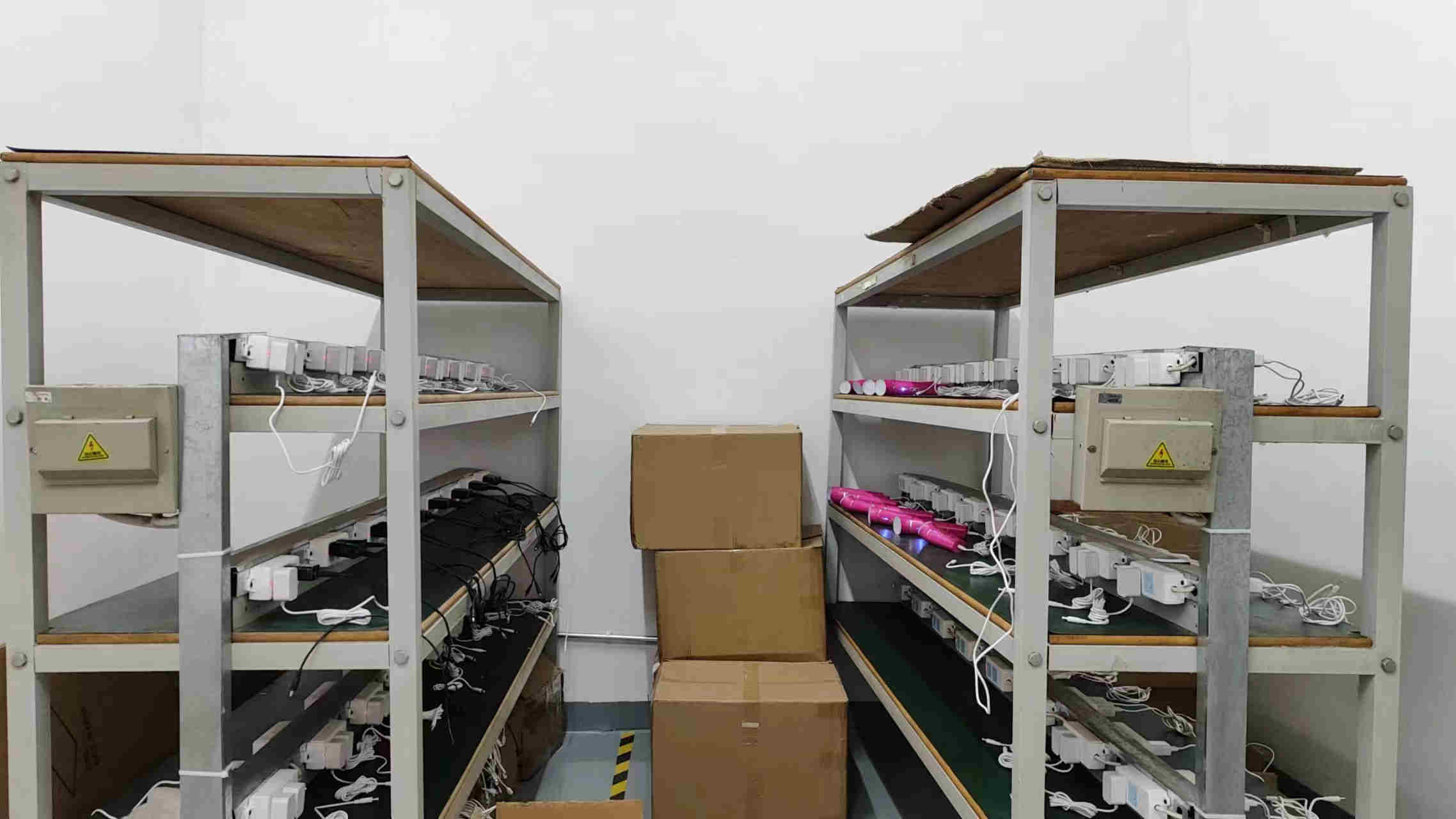
Continuous Duty Cycle Testing
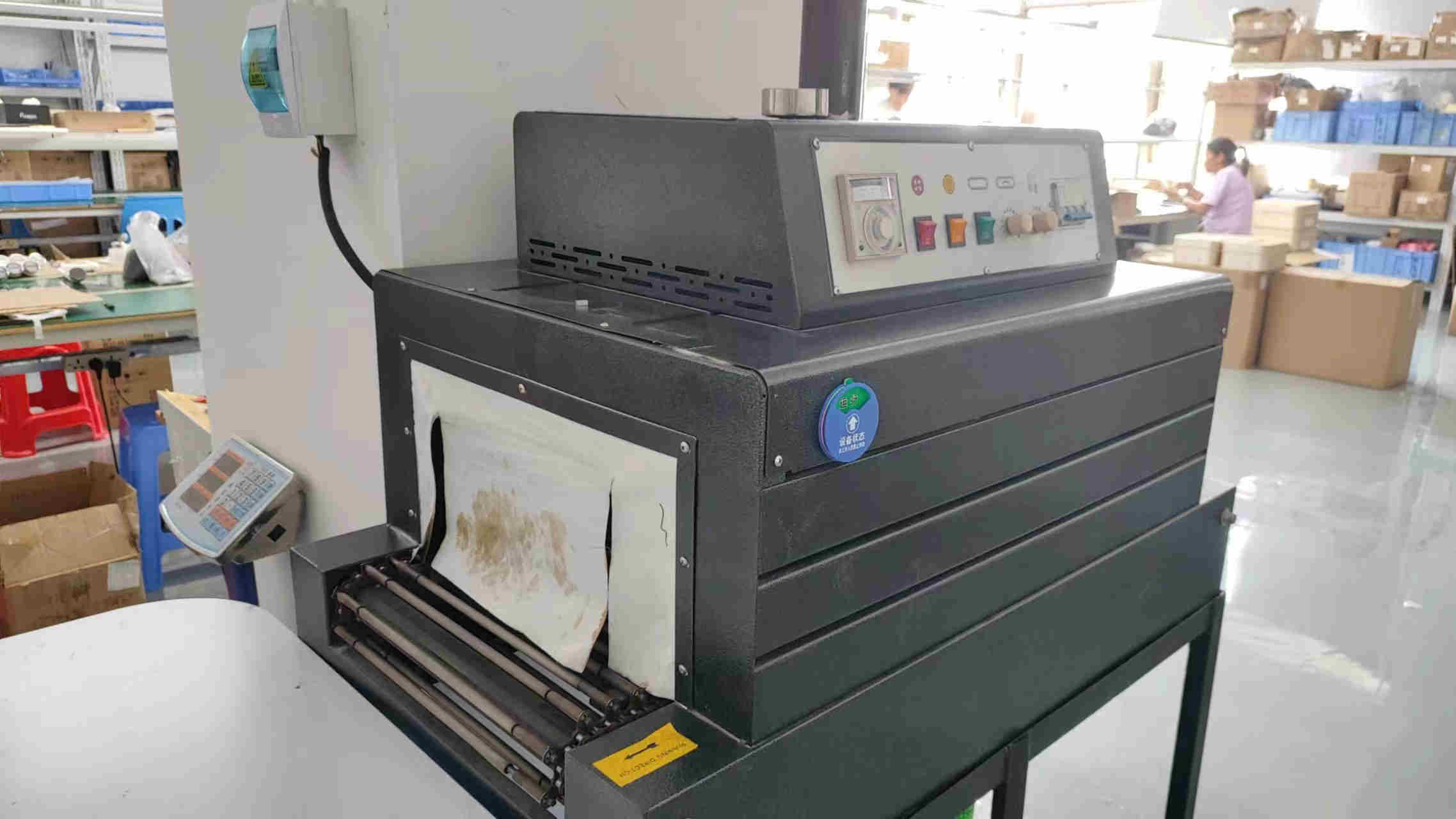
Shrink Wrap Preservation Process
Hermetic Packaging & Export Seal
Industrial Manufacturing and Quality Protocol at Habitue Beauty
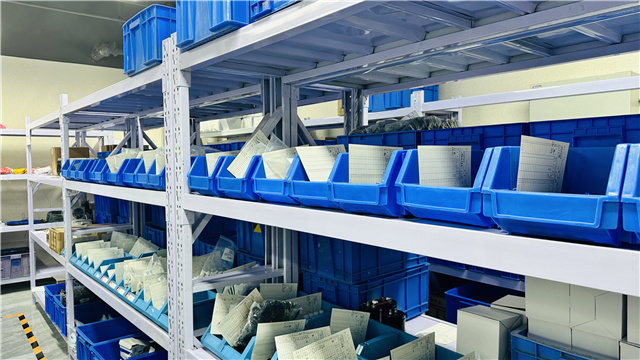
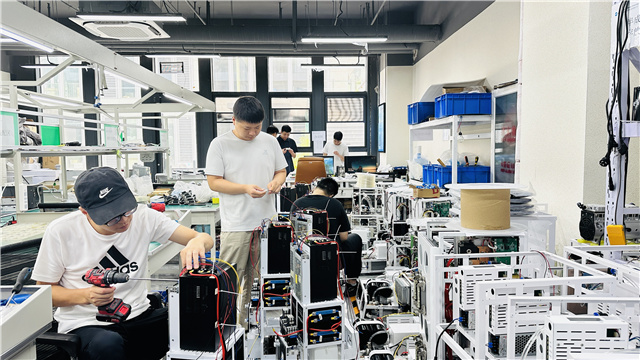
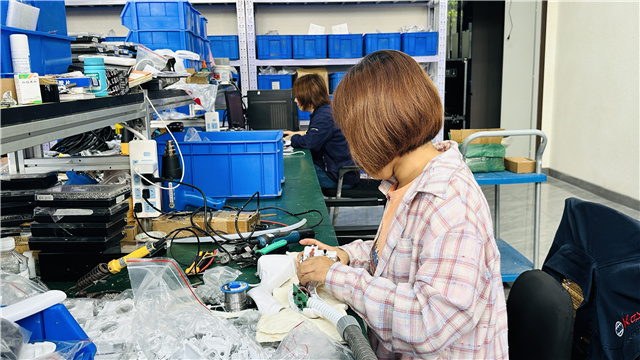
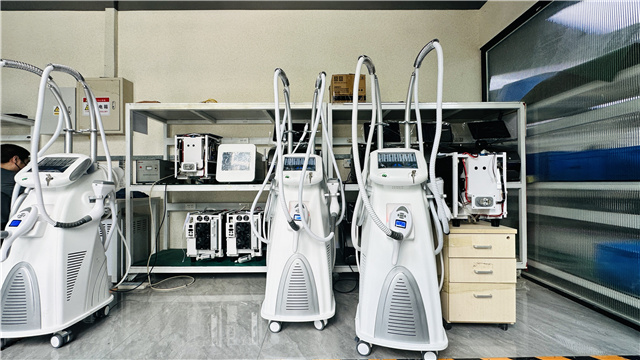
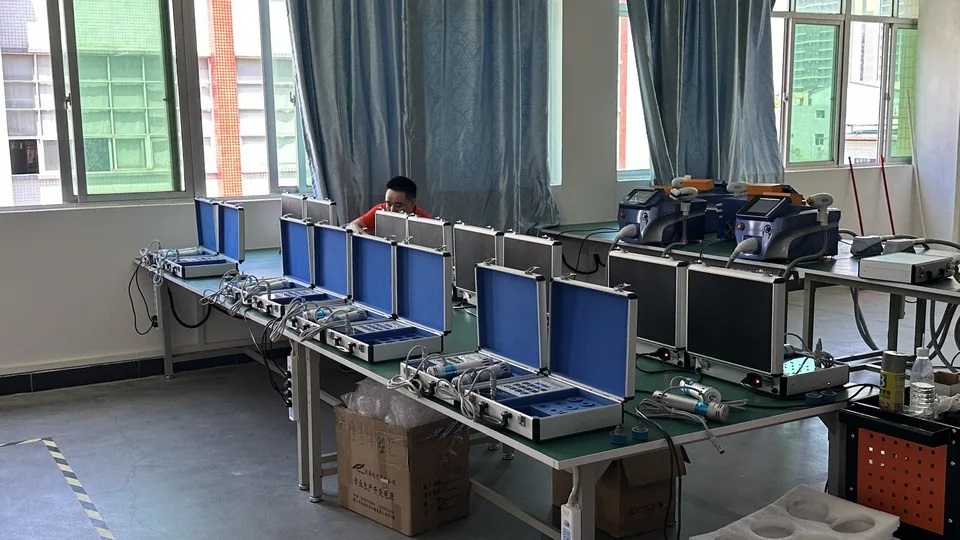
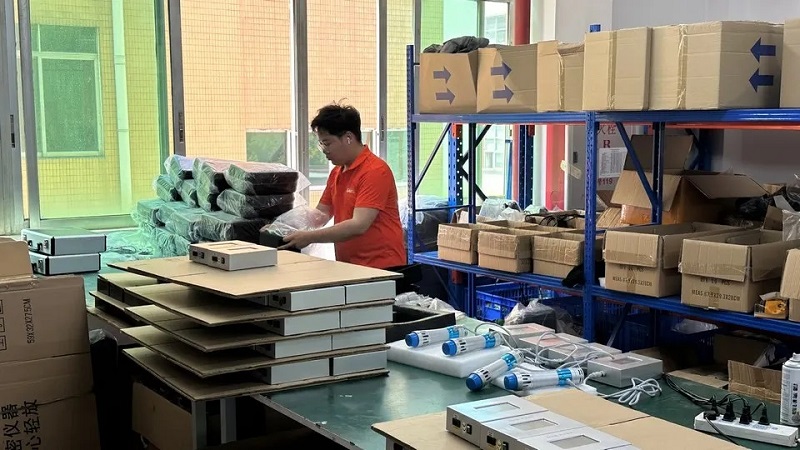
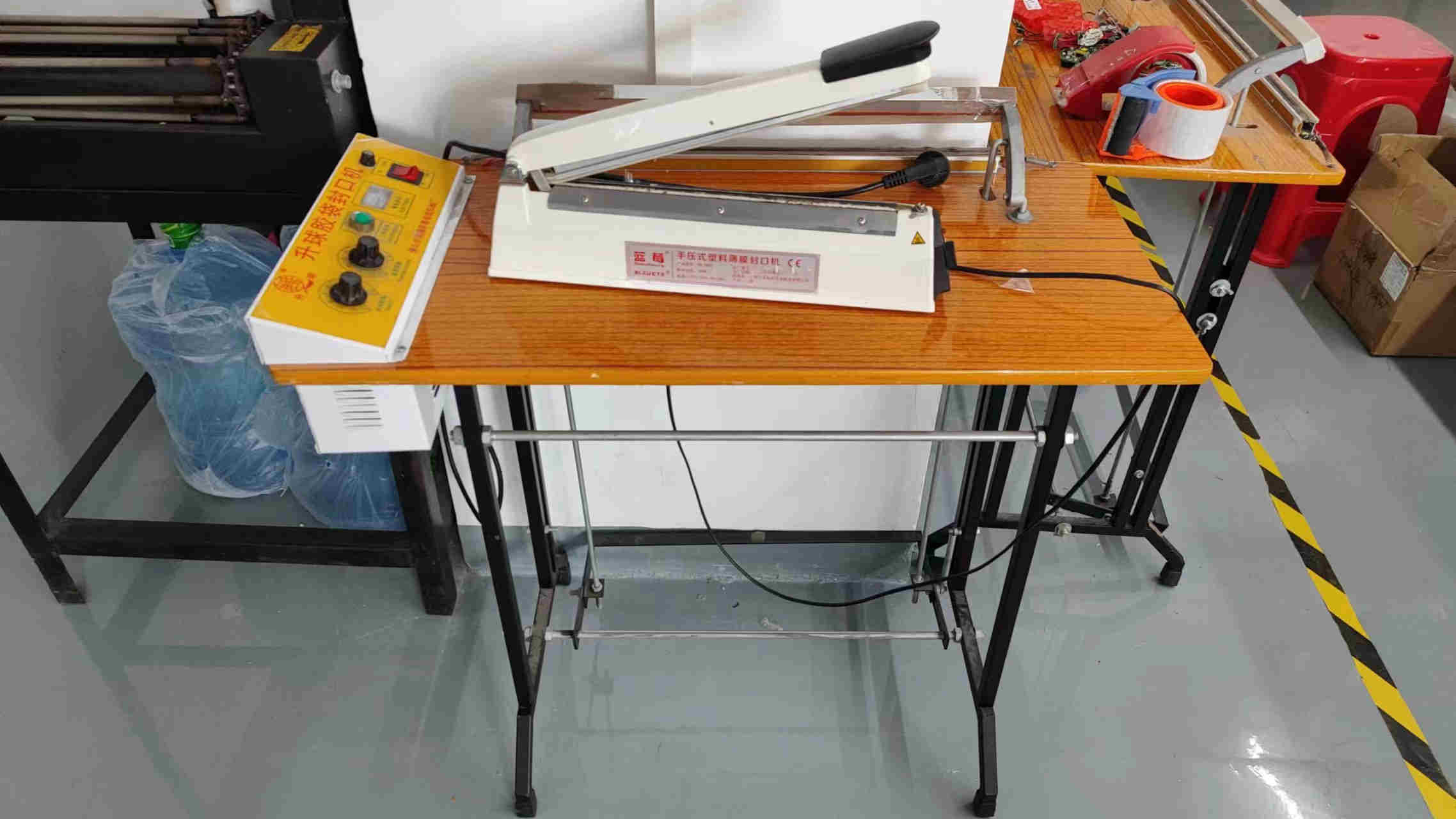
For global distributors and aesthetic group purchasers, selecting a manufacturing partner requires verifying their factory protocols. Under the leadership of Guangdong Habitue Beauty Co., Ltd., the manufacturing facility leverages a structured, multi-step quality control assembly line. The processes visualised above showcase the rigorous route a device follows from initial raw materials checking through to the final sealed export stage:
1. Incoming Quality Control (IQC)
Raw materials, ranging from capacitor modules and medical-grade power supplies to ergonomic handle shells, undergo strict quality checks. Custom components, such as high-frequency generator chips and impedance feedback sensors, are verified for electronic tolerances.
2. Precision Handpiece & Chassis Assembly
Assembling the handpiece and internal electronics is a critical phase. Technicians construct the RF signal pathways, integrate cryogenic contact cooling elements (Peltier coolers), and shield the circuitry to prevent electromagnetic interference (EMI) with surrounding clinic apparatus.
3. Multi-Phase Calibration & Long-Run Aging
Every RF generator undergoes calibration to guarantee that energy delivery aligns with screen interface readouts. This is followed by a mandatory 24- to 72-hour aging testing cycle. In this process, systems run continuously under maximum load, assessing thermal management and checking components for premature failure points.
4. Final QC, Shrink wrapping & Outgoing Quality Control (OQC)
After testing, inspectors subject the device to an aesthetic and electrical safety review. Systems receive protective plastic shrink wrapping, are sealed with desiccant packs, and are packed into custom-molded aluminum alloy transport cases to withstand maritime, land, or air transit.
Localized Scenarios & Optimization Matrix
Different commercial clinical environments require different system configurations. Distributors must align their product selections with the specific business requirements of their regional clientele:
Medical Aesthetics & Specialized Dermatological Clinics
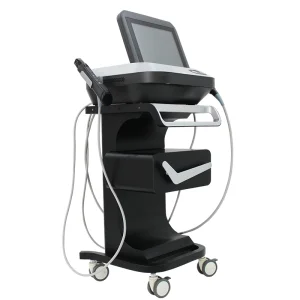
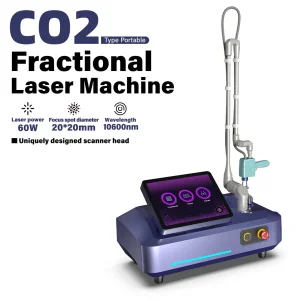
Clinics operating under medical oversight require high-output platforms like the 100W Fractional CO2 Laser + RF Tube System or the 7D RF Microneedling HIFU System. These environments prioritize deeper skin layers, aggressive acne scar remodeling, and dramatic face-lifting treatments. Integration with patient charting databases and precision-controlled needles are critical requirements.
Mid-Tier Wellness Spas & Medi-Spas
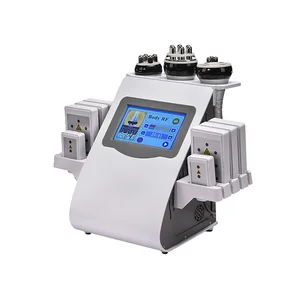
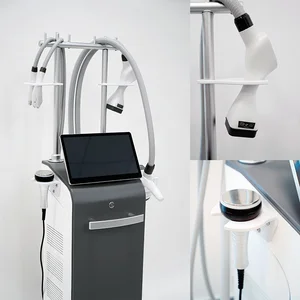
Salons focused on rejuvenation treatments without medical oversight benefit from non-invasive, user-friendly options. High-performance *40K Cavitation Vacuum RF Platforms* or *V Line Face Lifting Neck Massagers* are suitable for these settings. These devices offer ease of operation, low consumables costs, and a high return on investment, delivering visible skin tightening and lymphatic drainage.
Home-Use Aesthetic Channels & Portable Portfolios
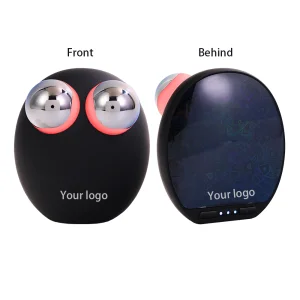
To capture the retail market, distributors select portable devices like the *Ice Globe Microcurrent RF Face Lift Massager*. These systems combine low-frequency RF with cooling elements, enabling safe home treatments that extend the results of professional clinical procedures.
Global Compliance, Licensing & Regulatory Ecosystems
Exporting high-frequency medical devices from China into regulated jurisdictions requires compliance with complex standards. Partnering with a manufacturer like Guangdong Habitue Beauty Co., Ltd. offers significant advantages because they prioritize regulatory alignment:
FDA Clearance (USA): Critical for clinics in the United States. Ensure systems are classified under 510(k) Class II medical devices for aesthetic applications.
CE MDR (European Union): Devices must meet the Medical Device Regulation (EU) 2017/745 to display the CE mark, proving conformity with health, safety, and environmental standards.
RoHS & Electromagnetic Compatibility (EMC): RF emission levels must be regulated to avoid interfering with wireless networks or other medical devices in nearby facilities.
Guangdong Habitue Beauty designs its equipment to align with these international standards, providing distributors with the test reports and certifications required for smooth customs clearance and local operations.
The aesthetic device industry is evolving rapidly, driven by technological innovations. Distributors and clinics must keep pace with these advancements to ensure long-term profitability:
AI-Driven Impedance Feedback Loops
Traditional RF platforms deliver a constant pre-set energy output, requiring operators to manually adjust levels based on skin temperature. Next-generation systems use real-time sensors to measure tissue impedance hundreds of times per second. This allows the system to adjust energy output dynamically, preventing hot spots and ensuring even heating.
Multi-Modality Fusion Architectures
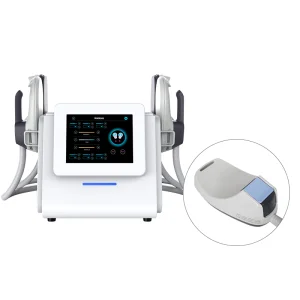
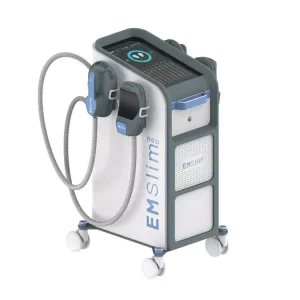
Clinical settings are shifting toward combination therapies. Modern platforms integrate RF with other technologies, such as High-Intensity Focused Ultrasound (HIFU) for deep tissue lifting, Vacuum Cavitation for lymphatic drainage, or EMS for muscle toning. This multifunctionality allows clinics to offer comprehensive treatments with a single machine footprint.
Advanced Epidermal Cooling Systems
To improve patient comfort and safety during high-energy treatments, manufacturers are incorporating advanced cooling systems. Sapphire contact cooling and integrated cryo-spray modules protect the skin's surface, allowing for deeper thermal penetration with less discomfort.
Expert Q&A (Frequently Asked Questions)
What is the typical lifespan of RF handpieces and electrodes, and do they require replacement?
The lifespan depends on the system type. Non-invasive bipolar or multipolar stainless-steel handpieces have no built-in shot limit and can last for years with proper cleaning. In contrast, Fractional Microneedling RF tips are single-use consumables designed for sterility. For monopolar systems, the high-energy delivery tips may require replacement after 500 to 1,000 treatment sessions.
How does tissue impedance affect treatment parameters?
Tissue impedance varies across skin layers and body regions, and also differs between patients. Areas with more adipose tissue offer higher resistance, generating heat quickly. Advanced systems with real-time impedance monitoring adjust voltage dynamically to maintain consistent energy delivery, preventing thermal injury and ensuring uniform results.
What OEM/ODM customization services are available?
Guangdong Habitue Beauty provides complete OEM/ODM services, including custom plastic injection molding for cases, UI software rebranding (with multilingual support), custom PCB programming, and tailored configuration of handpieces (such as combining RF with vacuum or cooling technologies).
What warranty and technical support terms are provided for international buyers?
Systems include a comprehensive 1-to-2 year warranty covering internal electrical systems. Replacement components are shipped via express courier to minimize clinic downtime. Additionally, video guides and direct consultations with technicians are available for installation, maintenance, and operation training.
 Habitue Beauty