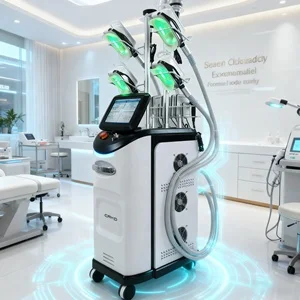
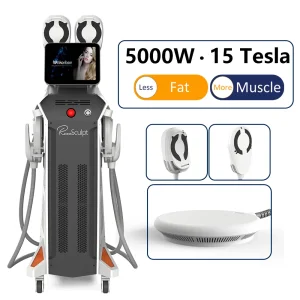
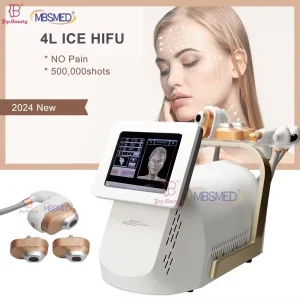
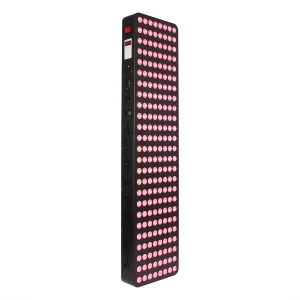
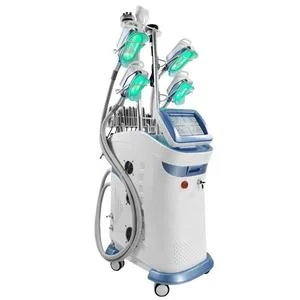
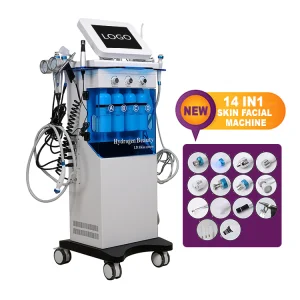
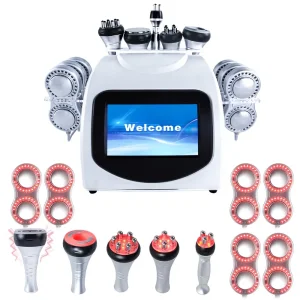
Clinical-grade anti-aging, body-contouring, and skin-rejuvenation systems engineered for global medical-spa standards.
Exploring market dynamics, medical advancements, and clinical deployment strategies in non-invasive fat reduction.
Over the last decade, the global aesthetic medicine market has shifted decisively towards non-invasive body contouring. Cryolipolysis—commonly recognized by patients under the commercial term "fat freezing"—stands at the absolute forefront of this paradigm shift. Utilizing the exact science of controlled localized cooling to selectively disrupt subcutaneous adipose tissue, cryolipolysis offers patients an outpatient, surgical-free alternative to traditional liposuction with minimal down-time and a high patient satisfaction rate.
The industrial and commercial applications of Cryolipolysis systems span diverse regional target markets. In North America and Europe, strict regulatory regimes (such as FDA clearances and EU MDR certifications) dictate procurement processes, prioritizing dual-safety mechanisms and clinically validated outcomes. Concurrently, the Asia-Pacific region, Latin America, and the Middle East are experiencing unprecedented compound annual growth rates (CAGR). This shift is fueled by a burgeoning middle-class demographic, increasing disposable income, and a rising cultural emphasis on personal wellness and aesthetics.
The primary mechanism of cryolipolysis is based on the biological reality that adipocytes (fat cells) are significantly more susceptible to cold thermal stimulation than surrounding cellular structures (such as skin cells, vascular systems, nerves, and muscle tissue). By applying a precise, targeted temperature range—typically from -5°C to -11°C depending on the tissue depth and skin safety protocols—the treatment induces controlled cell apoptosis (programmed cell death) in fat tissues without causing epidermal necrosis or deep tissue damage.
Following the clinical procedure, the apoptotic fat cells are slowly, naturally metabolized and cleared from the body through the lymphatic system over a period of 4 to 12 weeks. This physiological progression ensures a gradual, natural-looking reduction in localized fat bulges (such as submental fat, flanks, abdomen, and thighs) rather than the rapid, traumatic volume shifts characteristic of surgical procedures.
How industry-led vertical integration, standard R&D, and quality systems define a premier Chinese manufacturer.
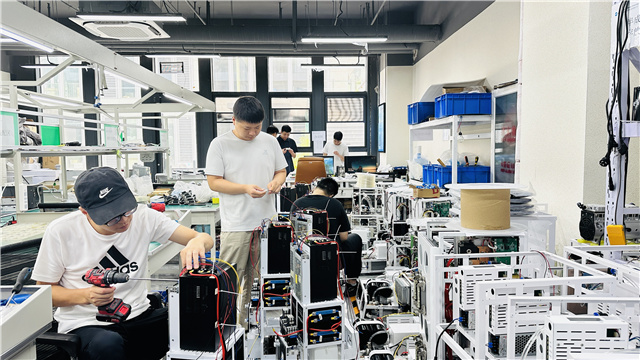
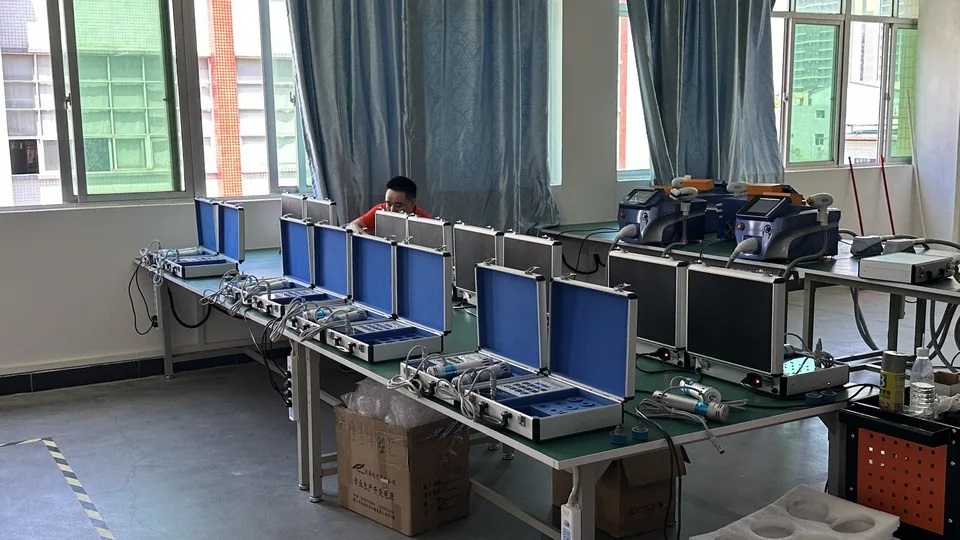
As a leading advanced aesthetic machinery manufacturer based in the industrial heartland of Guangdong Province, Guangdong Habitue Beauty Co., Ltd. exemplifies the modern evolution of Chinese manufacturing: transitioning from cost-centric production to high-tech, precision-driven engineering. Our manufacturing facility combines robust research and development departments with specialized assembly lines and comprehensive validation labs, ensuring our clients receive clinical-grade systems with long-term field reliability.
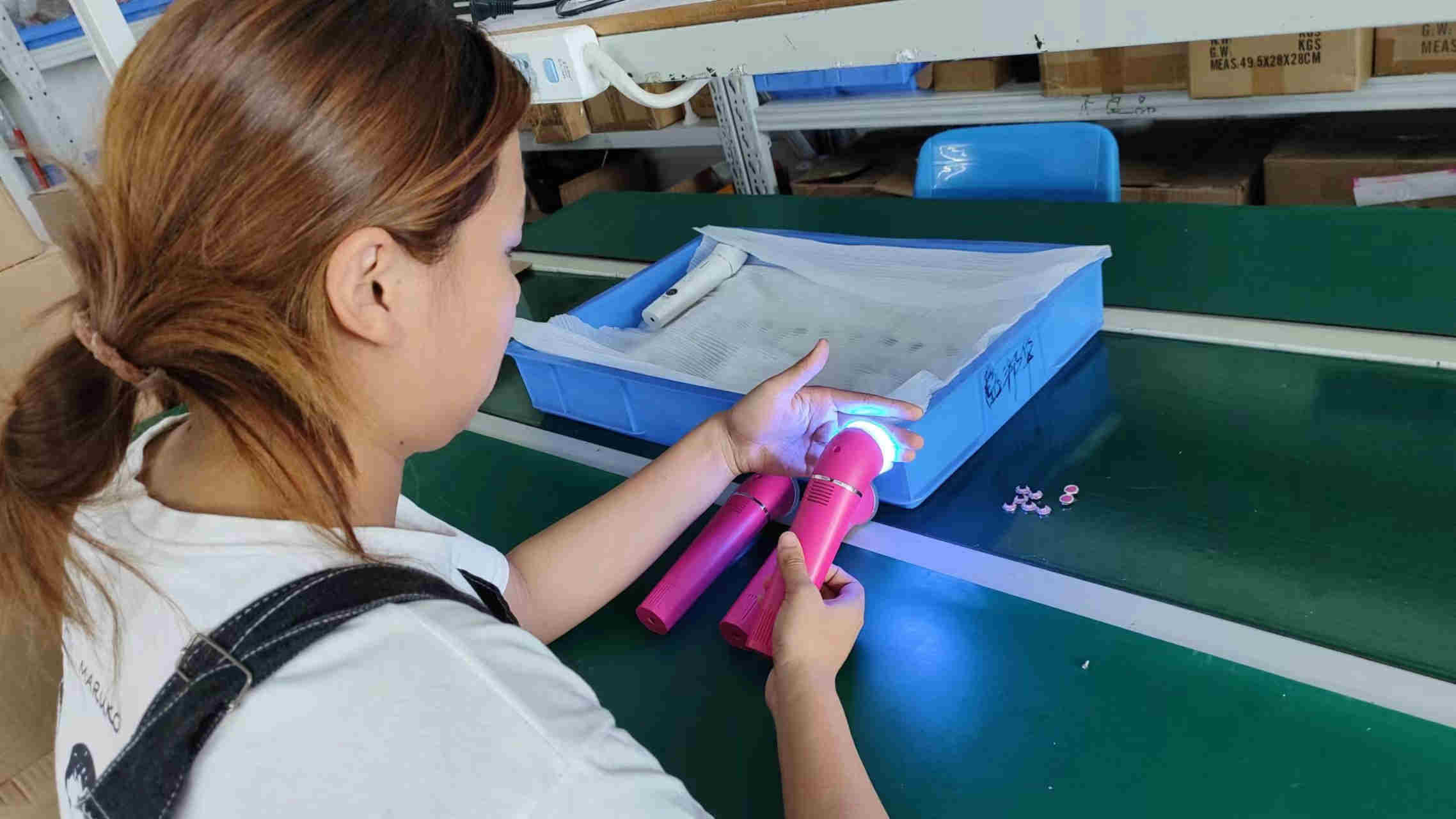
We recognize that global distributors, medical spas, and aesthetic clinic chains look beyond surface-level hardware. Modern buyers require institutional reliability, responsive post-sale engineering support, and customizable OEM/ODM pipelines that allow them to establish distinct brand positions in their local markets. By controlling the entire manufacturing pipeline—from raw materials inspection to multi-hour thermal stress testing—we maintain absolute control over product quality and delivery timelines.
For distributors seeking market differentiation, Guangdong Habitue Beauty offers end-to-end OEM (Original Equipment Manufacturing) and ODM (Original Design Manufacturing) configurations. Our engineering team assists partners at every level of the product development cycle:
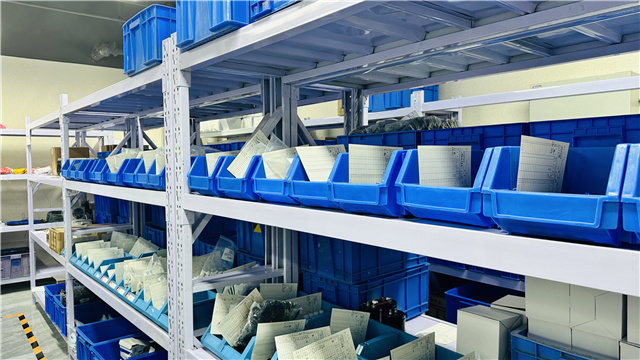
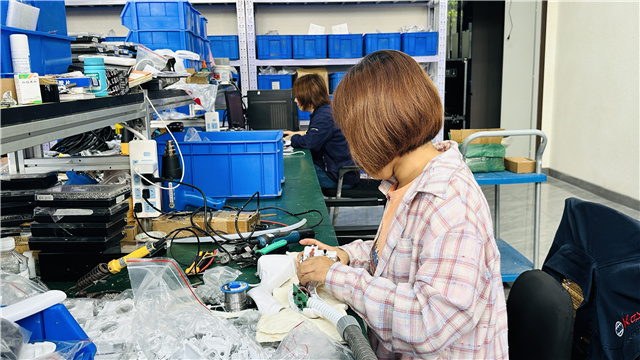
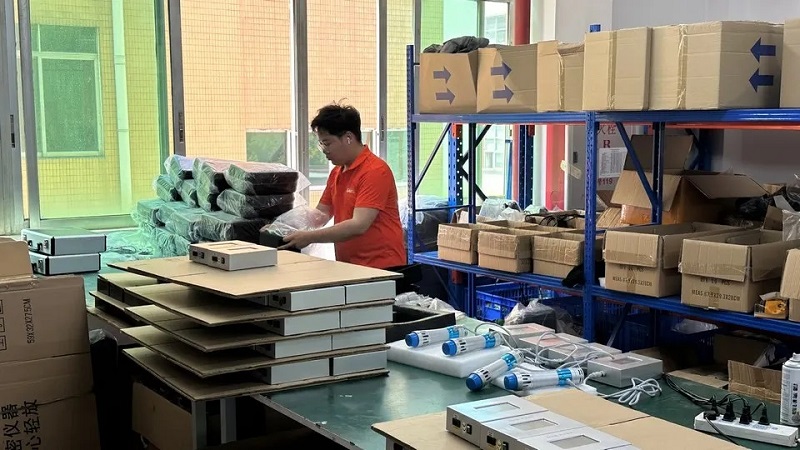
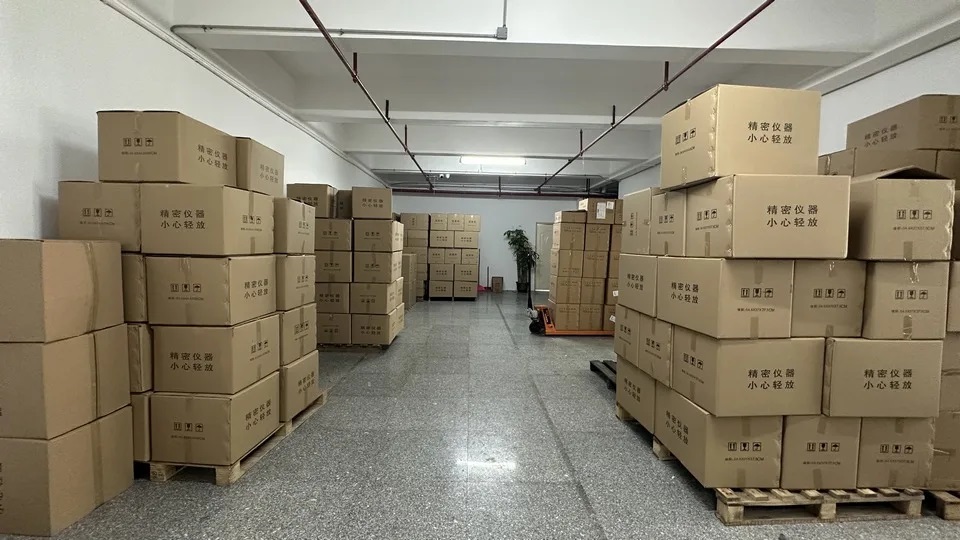
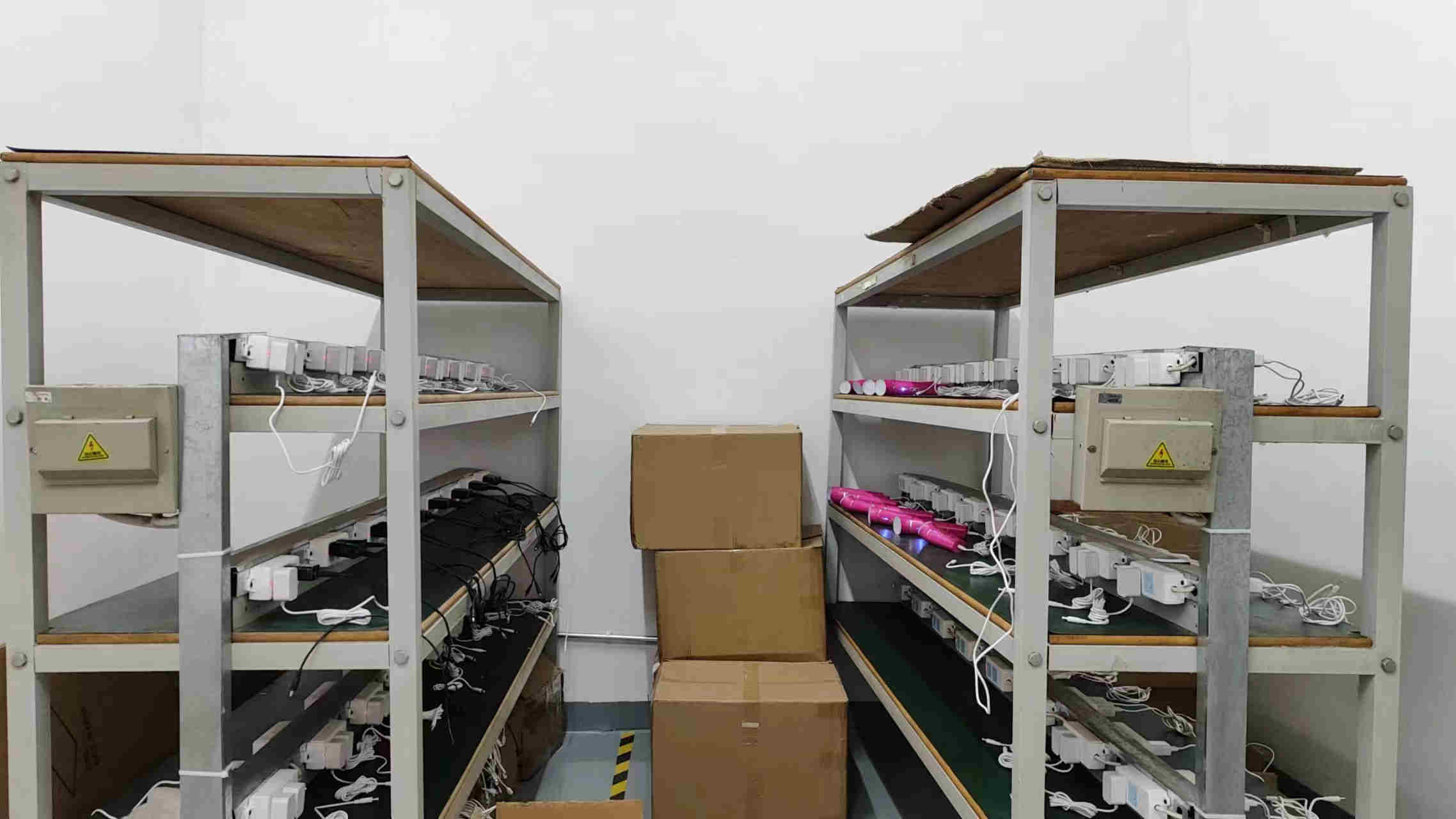
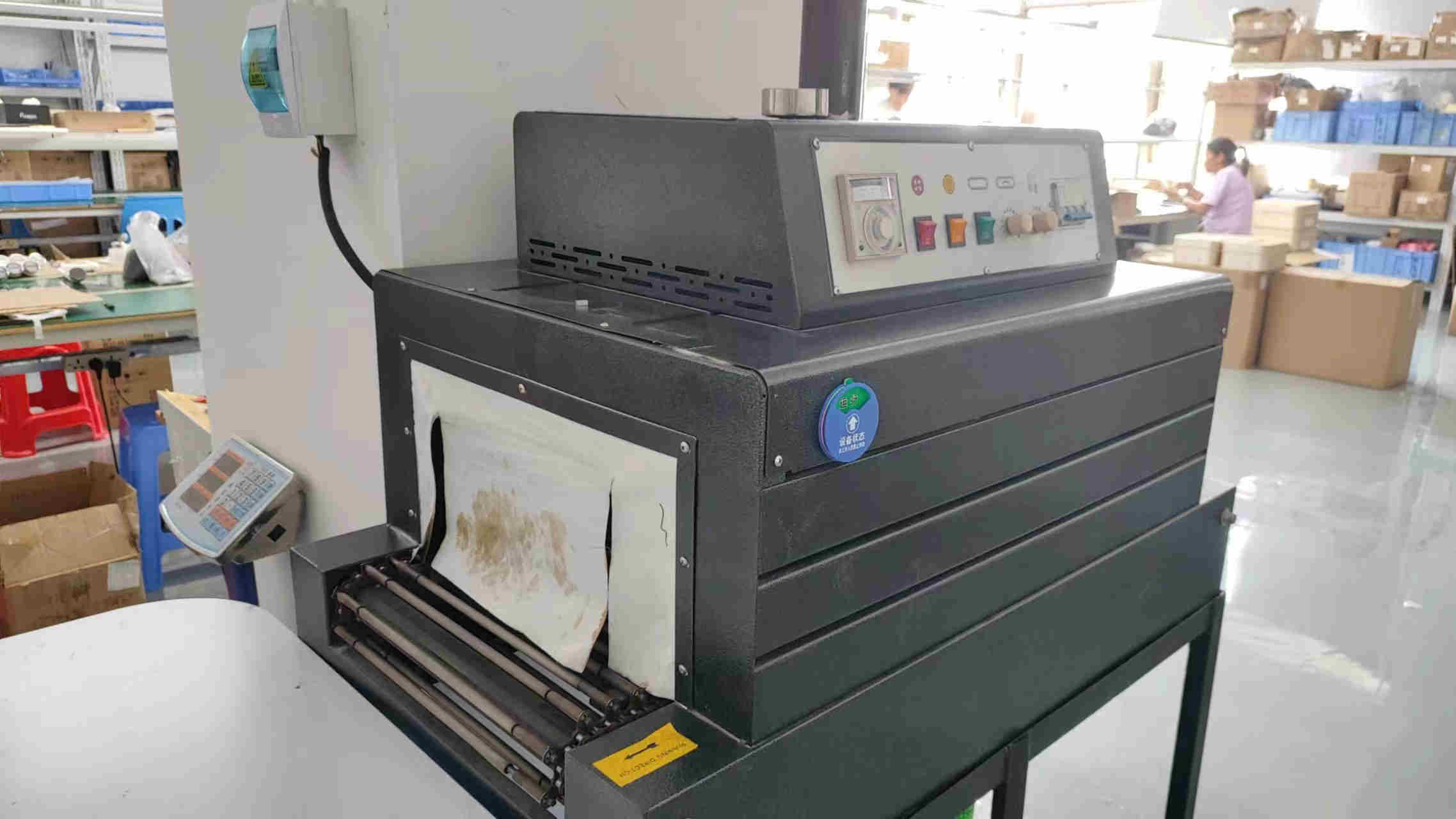
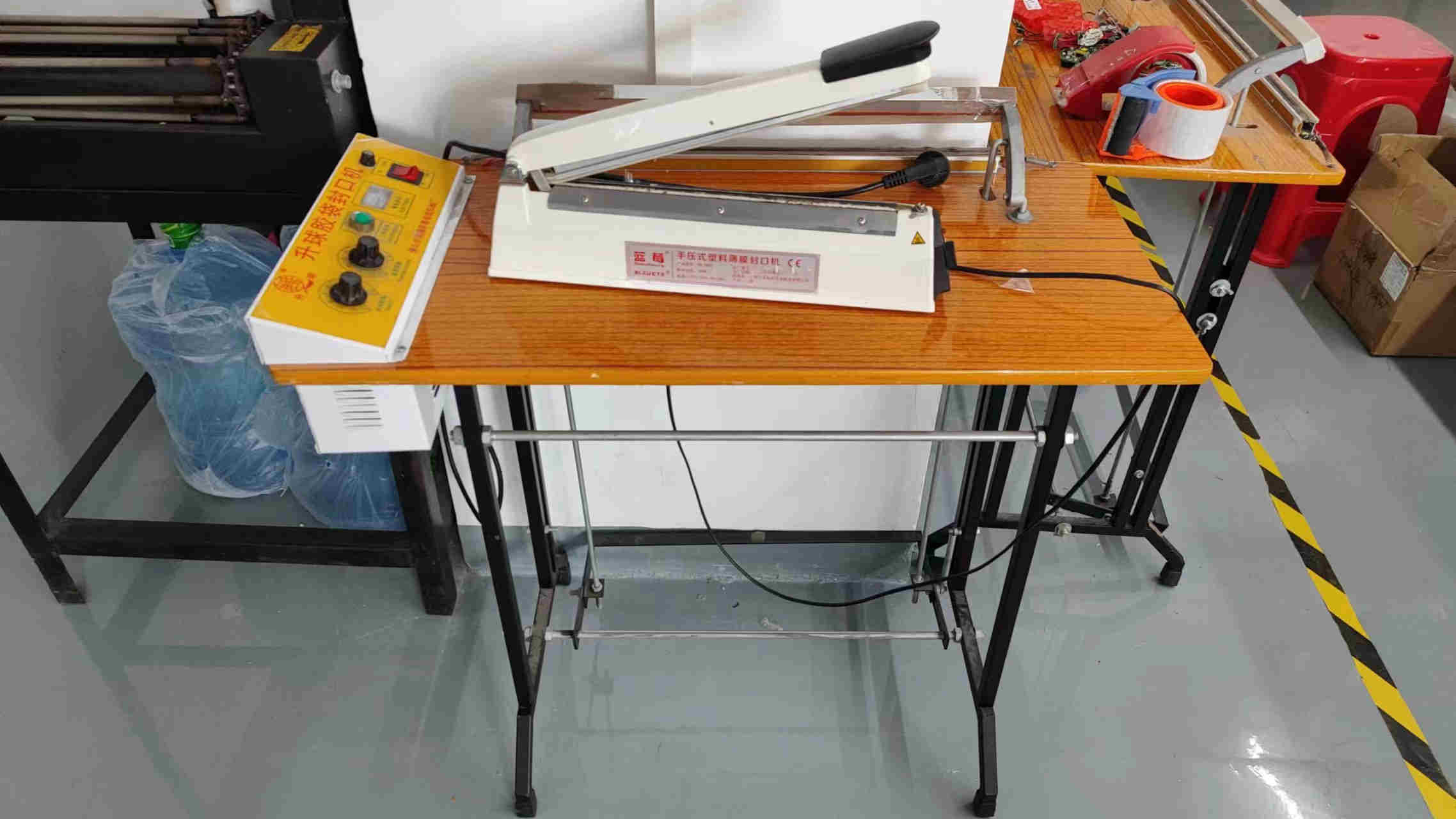
A detailed look into Guangdong Habitue's production phases, from raw material procurement to final sealed shipping.
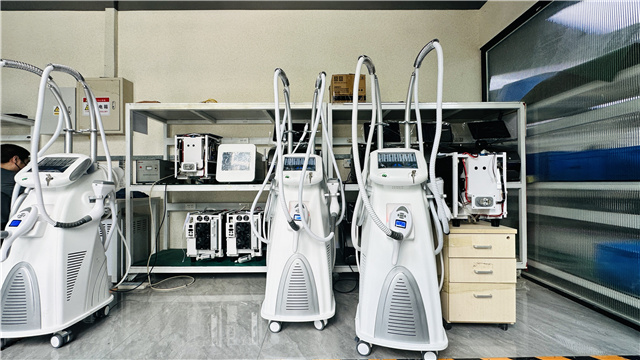
Decoupling the refrigeration, sensor arrays, and vacuum calibration of advanced fat freezing machines.
To help procurement managers, biomedical engineers, and clinic owners make informed purchasing decisions, we have compiled the core technical criteria that distinguish high-performing cryolipolysis platforms. When evaluating equipment from Chinese factories, pay close attention to the following parameters:
| Technical Dimension | Standard Configuration | Advanced Clinical Configuration (Habitue Standard) |
|---|---|---|
| Refrigeration Tech | Flat dual Peltier cooling plates | 360° Surrounding Integrated Peltier Cups |
| Working Temperature | 0°C to -5°C (fluctuating) | +5°C (preheating phase) down to -11°C (constant) |
| Vacuum Negative Pressure | 0 to 60 kPa (simple pump) | 0 to 100 kPa (proportional valve pulse control) |
| Applicator Configuration | 1 or 2 fixed handpieces | Up to 4 handpieces running simultaneously + 1 submental cup |
| Cooling System | Air cooling + basic water loop | Dual copper radiators + 10L medical-grade water tank + dual pumps |
| Safety Mechanisms | Manual emergency stop button | Real-time thermal sensors + automated skin temperature checks |
Older generations of cryolipolysis machines rely on two cooling plates located on opposing sides of the handpiece cup. This setup can result in uneven cooling distributions and "cold zones" where subcutaneous fat cells are not chilled to the required threshold. Consequently, patients often experience uneven outcomes, requiring more treatment sessions.
In contrast, modern 360-degree cooling applicators utilize an all-around cooling structure. By cooling the entire cup interior surface, the handpiece distributes the target temperature evenly across the drawn-in tissue. Clinical evaluations show that this method increases treatment efficiency by up to 18%, cuts session times down from 60 minutes to 35-45 minutes, and delivers more consistent cosmetic results.
Key considerations for mitigating customs, logistics, and quality assurance risks when sourcing from China.
Procuring clinical-grade medical beauty devices internationally requires addressing shipping logistics, import compliance, customs clearances, and regional technical standards. To ensure a smooth acquisition process, importers should focus on these critical areas:
Confirm that the factory provides valid, verified certifications required for your target market. For European markets, CE-LVD and CE-EMC certifications are essential for electrical and electromagnetic safety. For clinical or medical facilities, verify if the device meets medical-device standards (like CE MDR or local FDA clearances). Guangdong Habitue processes electrical testing and structural reviews to align with these international standards.
Aesthetic devices operate in high-demand environments. If a machine experiences downtime, clinics lose revenue. Make sure your supplier has a structured technical support system in place, including online troubleshooting guides, direct contact with service engineers, and an inventory of critical spare parts (such as Peltier modules, temperature sensors, pump assemblies, and applicator cables) ready for immediate shipment.
Advanced laser, RF, and cryolipolysis machines contain delicate components like optical fibers, custom power modules, and liquid cooling systems. During sea or air transport, these systems are vulnerable to vibrations, humidity shifts, and physical impacts. At Guangdong Habitue, we protect every machine with thick protective foam, durable flight cases, shrink wrap, and sealed cardboard outer packaging to ensure safe delivery to our global customers.
Multi-technology integration, diagnostic software, and smart IoT device management.
As the aesthetic industry evolves, manufacturers are shifting from single-function units to integrated wellness platforms. The future of body contouring centers on three primary developments:
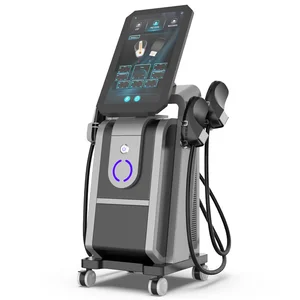
Clinics increasingly prefer multi-modality treatments. Combining cryolipolysis (to reduce localized fat thickness) with High-Intensity Electromagnetic Muscle Stimulation (HI-EMT) or radiofrequency (RF) skin tightening in a single patient plan delivers better results. This combination reduces localized fat, strengthens underlying muscle tone, and tightens loose skin simultaneously.
Integrating artificial intelligence into machine interfaces enables automatic tissue measurement. By analyzing a patient's fat thickness and density via ultrasound or sensor arrays, the system automatically calibrates the optimal vacuum intensity, treatment time, and cooling profile, minimizing the risk of user error.
Next-generation aesthetic platforms feature internet connectivity (IoT), allowing distributors to monitor usage rates, run remote diagnostic checks, and update operating software remotely. This capability simplifies maintenance and helps clinic owners track business metrics across multiple locations in real time.
Answers to common clinical, technical, and importing questions about our cryolipolysis systems.
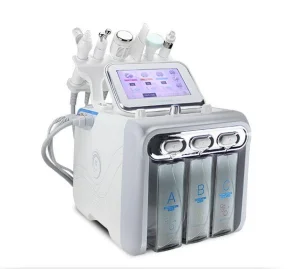
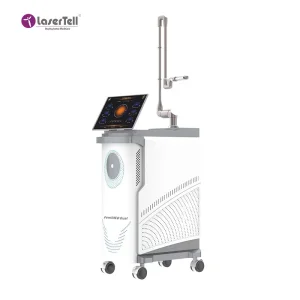
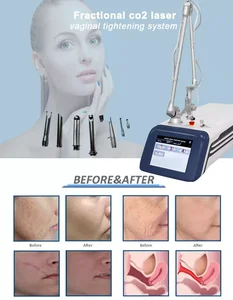
Clinical laser platforms, hydrodynamic facial devices, and multi-functional vacuum cavitation systems.