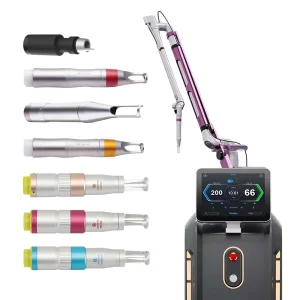
China Best Picosecond Laser Technology Factories & Factory
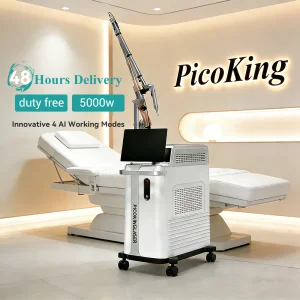
Pioneering High-Precision Ultra-Short Pulse Laser Systems for Aesthetics and Industry. Discover OEM/ODM Capabilities and World-Class Manufacturing Systems.
Premium Equipment & Technological Showcases
Explore our leading aesthetic and clinical devices engineered to exceed global standards of quality and performance.
Providing custom medical-aesthetic and high-precision laser platforms built upon raw component superiority, clinical research, and certified reliability.
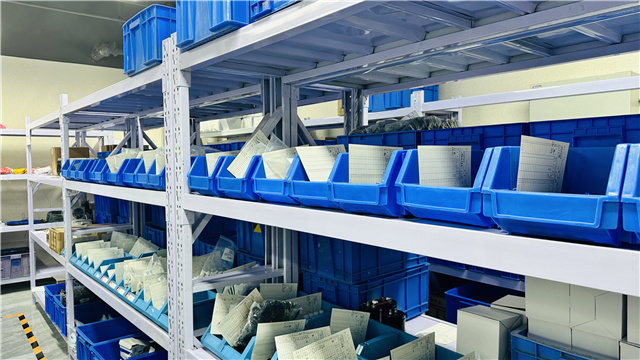
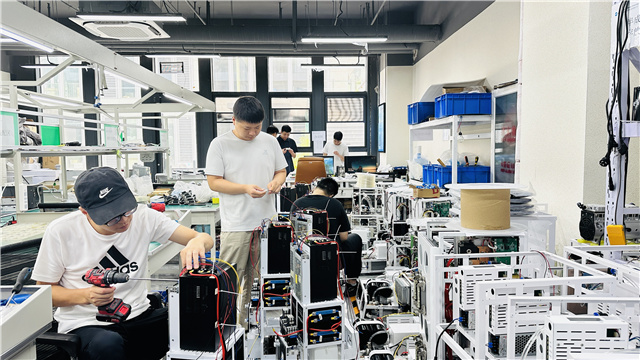
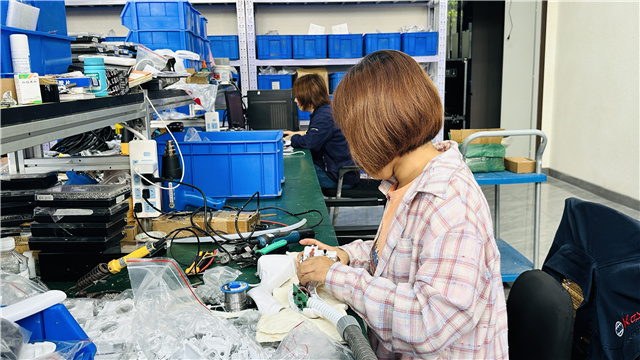
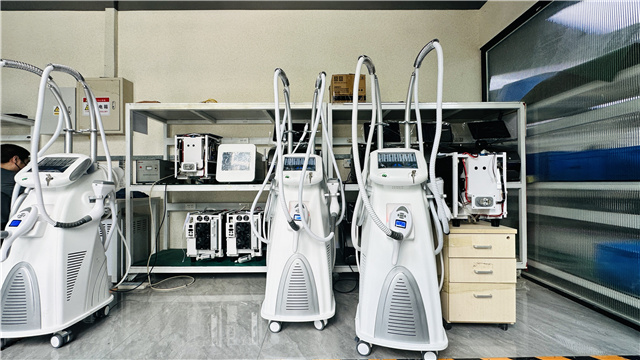
Guangdong Habitue Beauty Co., Ltd. stands as a premier developer and OEM/ODM manufacturer of advanced beauty, clinical, and aesthetic equipment in China. Specializing in the complete lifecycle of high-tech laser systems, we lead the research, clinical validation, precise engineering, and international distribution of advanced optoelectronic devices. Centered in the high-capacity manufacturing zone of Guangdong Province, our modern assembly lines utilize strict component sorting, high-vacuum optical cavity testing, and specialized cleanroom assembly parameters to deliver high-performance equipment to clinics, hospitals, spas, and global distributors.
Our commitment to excellence is supported by state-of-the-art diagnostic platforms, spectrum analyzers, and automated laser diagnostic tools. Through these investments, our engineering team ensures that parameters such as pulse duration, spot size symmetry, energy density, and beam profiles strictly conform to technical specifications. Habitue Beauty maintains long-term supply arrangements with key component providers from around the world to source high-durability flashlamps, specialized Nd:YAG crystals, and articulated arms, ensuring our output machines achieve high clinical stability and extended operational life.
10,000+
Sqm Production Center
50+
Countries Exported
100%
Safety & QC Inspection
24/7
Distributor Technical Support
Modern Manufacturing Facilities & Quality Environments
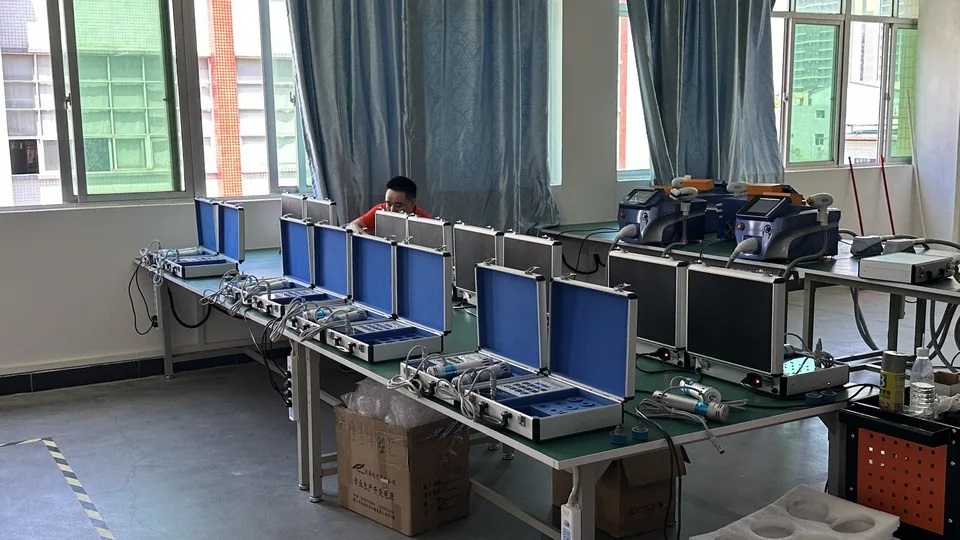
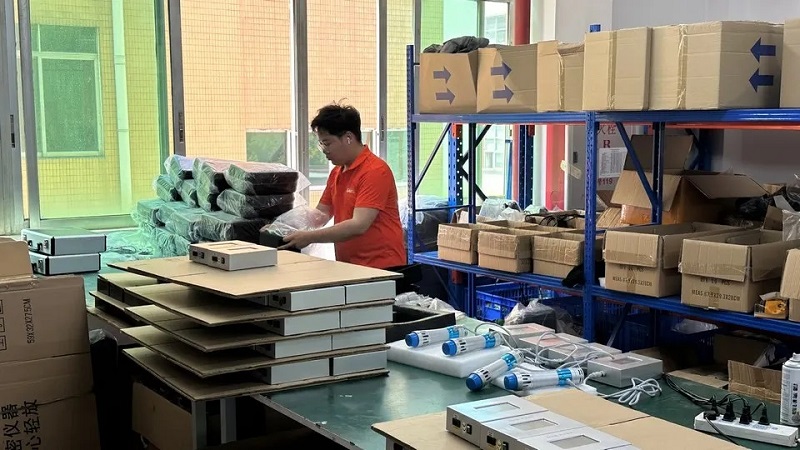
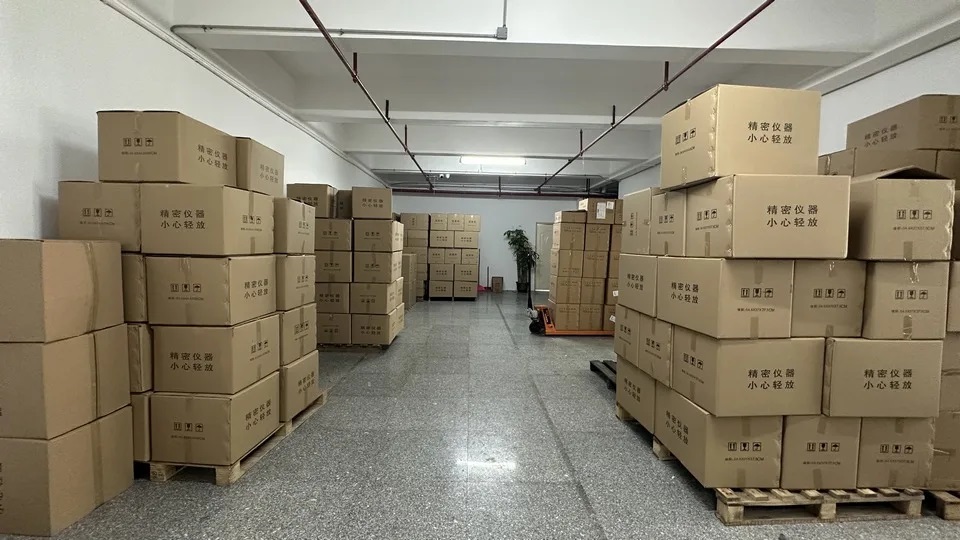
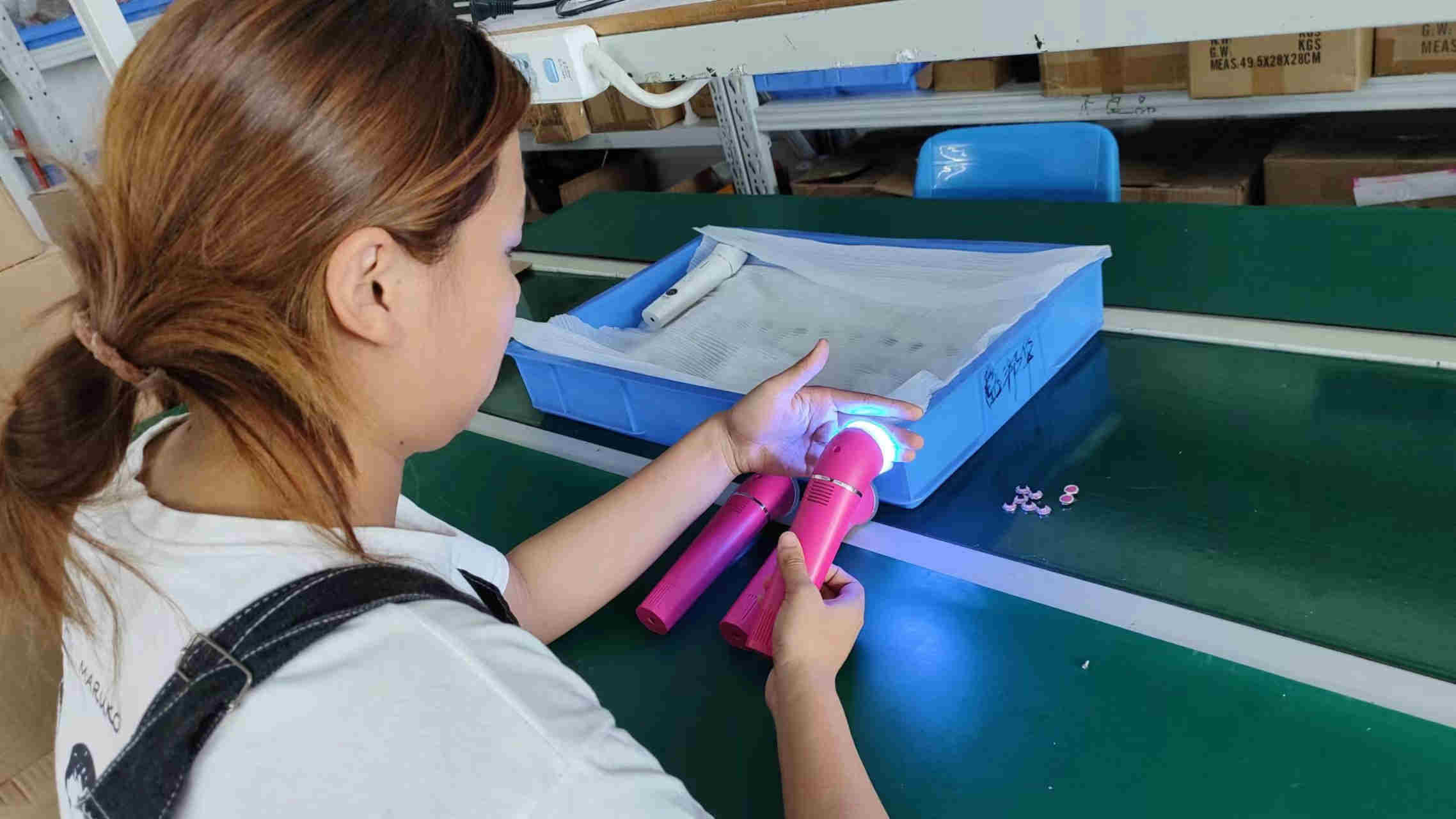
Below is a visual overview of the daily quality workflows maintained at Guangdong Habitue Beauty Co., Ltd., displaying our step-by-step processes from initial raw material selection to structural aging, performance calibration, sealing, and secure shipping packaging.
Raw materials
Assembly
Handle assembly
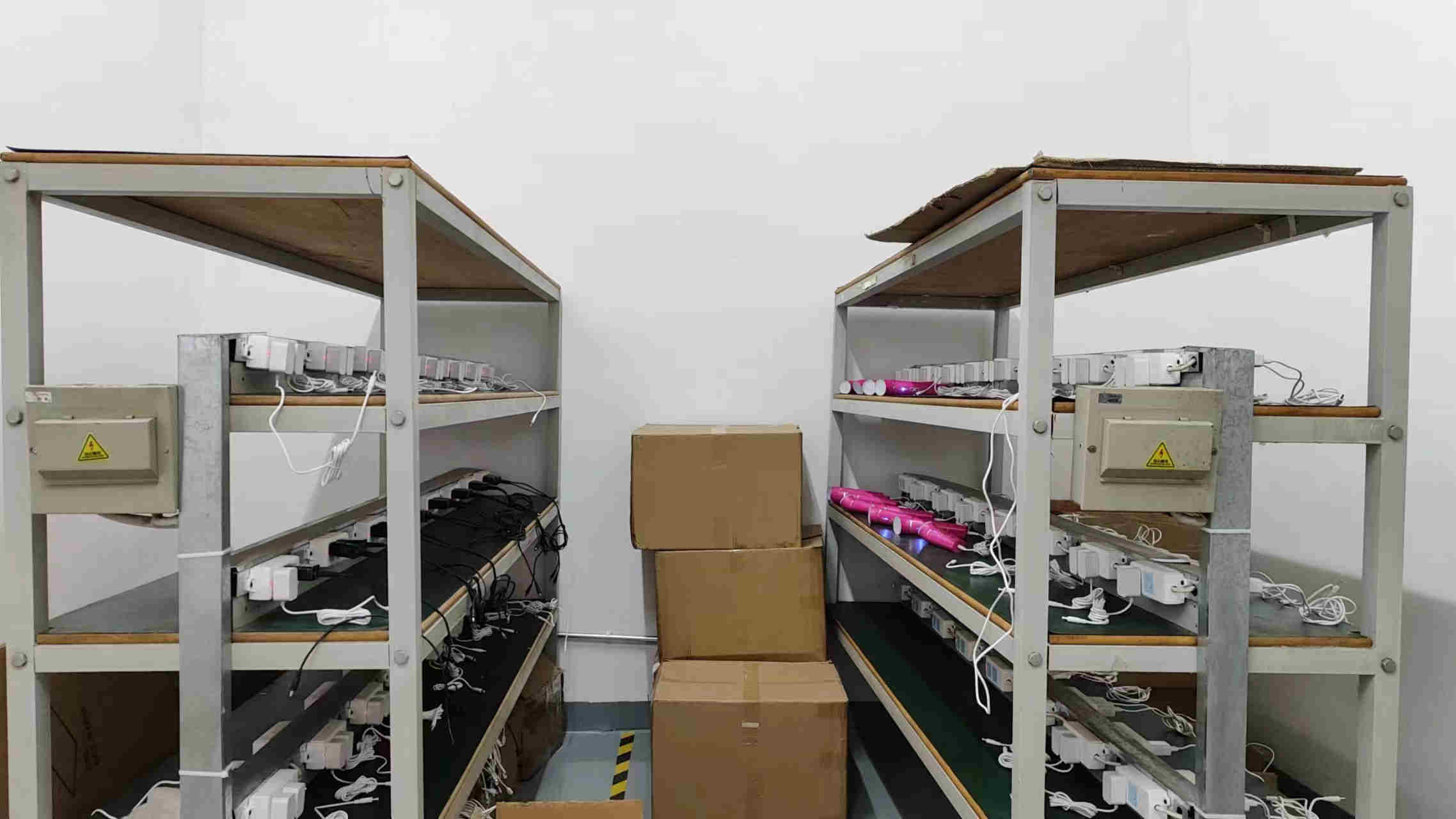
Aging
Aging Testing
Packaging
Storage
QC Inspection
Aging Testing
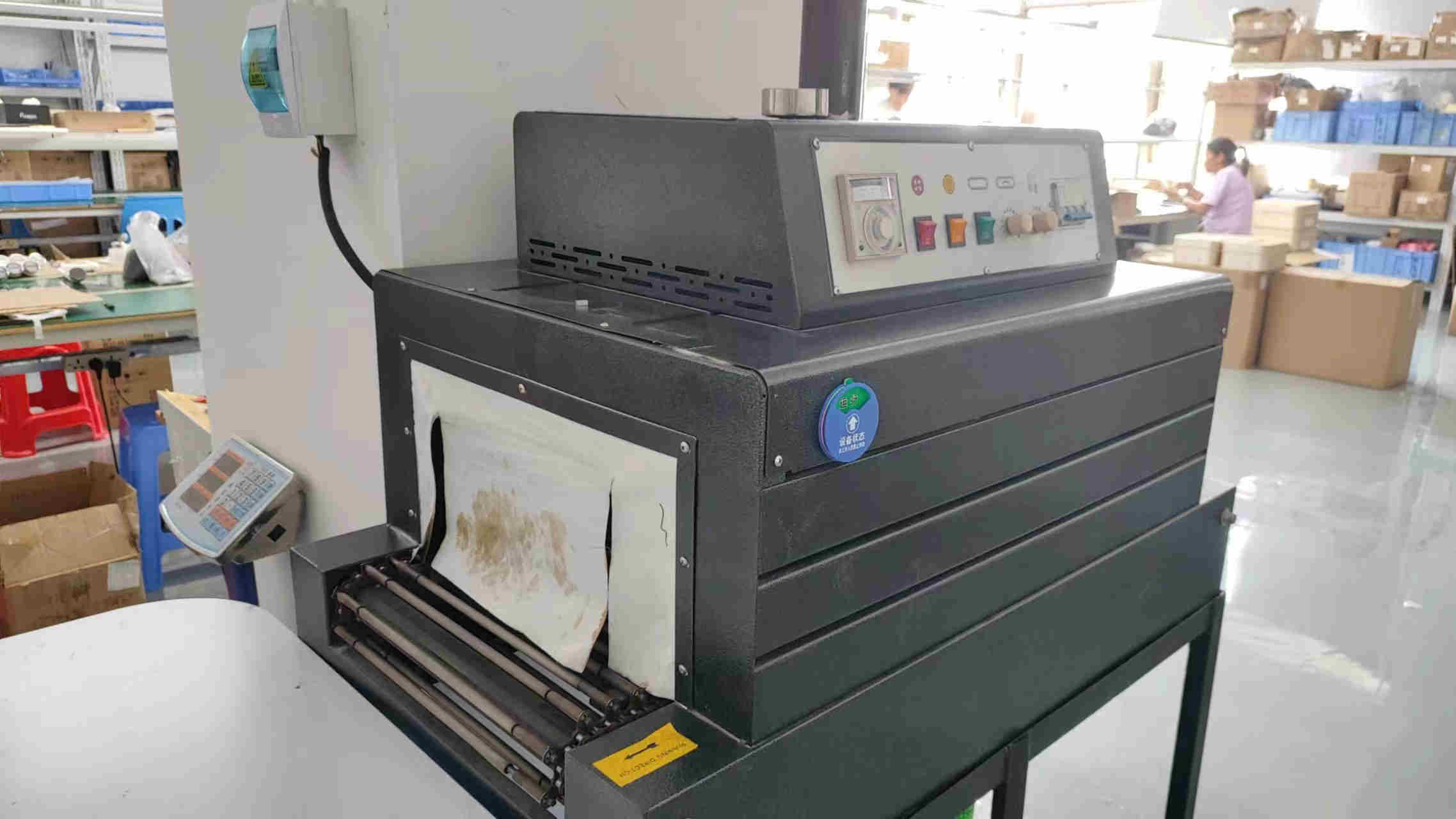
Shrink Film Machine
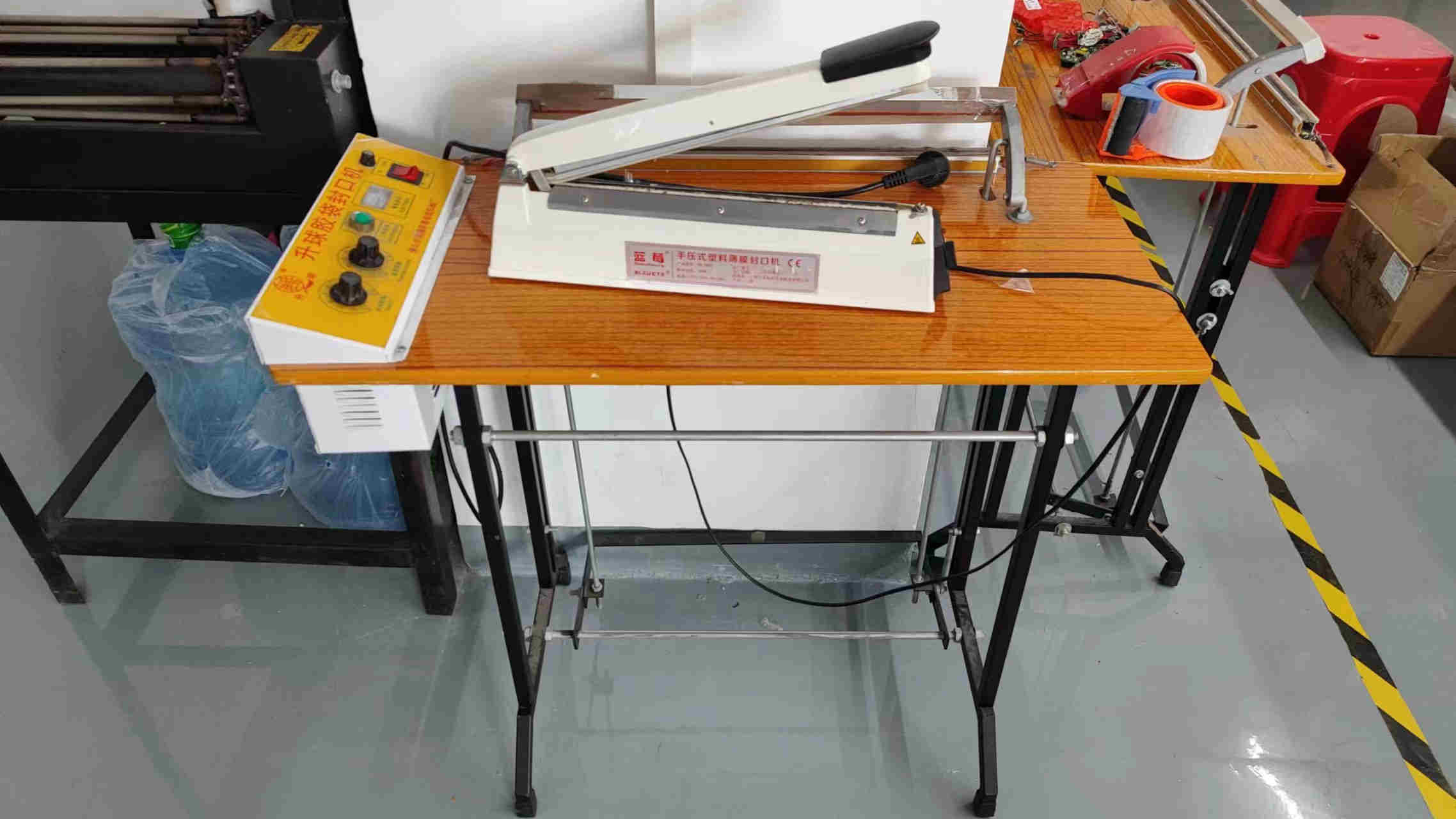
Sealed Machine
Trends in Picosecond Laser Technology for Aesthetics and Processing
An in-depth analysis of pulse width reductions, photomechanical action, and multi-wavelength clinical platforms.
1. Shift from Q-Switched Nanosecond to Ultra-Short Picosecond Pulsing
The field of laser aesthetics has evolved from nanosecond domain emission (traditional Q-switched lasers operating between 5 to 20 nanoseconds) to ultra-short picosecond pulses (typically ranging from 350 to 750 picoseconds). The physical foundation of this transition lies in the concept of **Thermal Relaxation Time (TRT)** of skin chromophores. When the pulse duration of a laser is significantly shorter than the TRT of the target pigment (such as exogenous ink particles or endogenous melanin clusters), the energy is deposited within the target before the heat can escape to the surrounding cellular matrices.
This localized energy absorption generates a strong **photomechanical (or photoacoustic) effect** rather than a photothermal one. The target pigment undergoes rapid thermal expansion, generating acoustic shockwaves that shatter the macromolecular pigment clusters into tiny particles. These smaller remnants are then more easily processed and cleared by the body's lymphatic system. Consequently, patients experience fewer treatment sessions, lower risk of post-inflammatory hyperpigmentation (PIH), and minimal thermal damage to surrounding tissue.
Technical Insight: Photomechanical Index (PI)
The ratio of photomechanical to photothermal action increases as pulse duration drops. A true 350-picosecond pulse delivers up to four times the photoacoustic pressure of a standard 10-nanosecond Q-switched laser, making it highly effective at clearing stubborn blue, green, and multi-color tattoos that were previously resistant to treatment.
2. Development of Multi-Wavelength Clinical Systems
Modern clinical practices require multi-wavelength laser systems to address a range of dermatological needs. Picosecond laser systems combine multiple wavelengths, typically generated by a primary Nd:YAG crystal operating at 1064nm, and converted through frequency-doubling crystals to 532nm, or shifted via solid-state dye handpieces and Alexandrite media to 755nm or 585nm/650nm. Each wavelength targets specific absorption profiles:
1064nm Wavelength: Deeply penetrating wavelength with low melanin absorption, ideal for dark ink removal (black, dark blue) and dermal remodeling in skin types IV-VI without causing epidermal disruption.
532nm Wavelength: Highly absorbed by oxyhemoglobin and superficial melanin, making it effective for red/orange tattoo inks and benign epidermal pigmented lesions like solar lentigines.
755nm Wavelength: Highly targeted for green and blue inks, as well as stubborn melasma, balancing epidermal melanin absorption with moderate penetration depth.
3. Industrial Micromachining and Glass Processing Applications
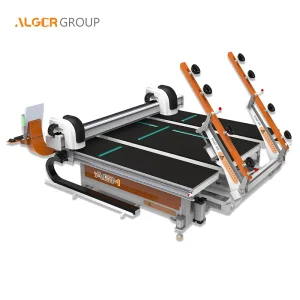
Beyond aesthetic medicine, picosecond laser technology is an essential tool in high-precision micro-manufacturing. In industrial processing, picosecond pulses are categorized under **ultrafast laser micromachining**. Because the pulse width is shorter than the electron-phonon coupling time of materials, the laser energy vaporizes target substrates before heat can conduct into the bulk material. This process, known as "cold ablation," is critical for cutting tempered glass, sapphire displays, and microfluidic channels used in smartphones, medical diagnostics, and semiconductor packaging, ensuring clean cuts with minimal micro-cracking.
Global Procurement Analysis: Sourcing High-Power Systems Safely
Key specifications, components, and optical configurations that distributors and clinics must evaluate during procurement.
Optimal Optical Path Alignment
High-energy laser beams require reliable delivery systems. Sourcing departments should check if the manufacturer uses a multi-joint articulated arm (e.g., imported Korean 7-joint articulated arms) equipped with precision counterweights to maintain alignment. Misalignment leads to spot distortions, energy loss, and potential safety risks in clinical settings.
Active Dual-Loop Cooling Systems
High repetition-rate lasers generate heat within the laser cavity. Look for systems featuring dual-loop cooling with copper-core radiators, high-pressure water pumps, and active temperature monitoring. If cooling is insufficient, the laser crystal can shift, reducing energy output and stability.
Diffractive Optical Element (DOE) Lenses
For skin rejuvenation and acne scar treatments, check if the system includes a Honeycomb or Fractional lens using Diffractive Optical Elements. A high-quality DOE divides the main beam into a precise grid of micro-beams, creating localized areas of laser-induced optical breakdown (LIOB) in the dermis while keeping the epidermis intact.
When purchasing from Chinese factories, international buyers often look closely at pricing but may overlook the quality of critical internal components. It is important to request detailed lists of key parts, such as the origins of the Q-switch crystals, the manufacturer of the high-voltage capacitor power supply, and the purity grade of the deionized water filters. High-quality systems use custom power supplies that can handle rapid, repeated capacitor charging without voltage drops, preventing energy fluctuations during treatments.
Macro Industry Solutions & OEM/ODM Development Ecosystems
How Guangdong Habitue Beauty supports international brands through flexible hardware and software customization.
Guangdong Habitue Beauty Co., Ltd. provides comprehensive industrial partnerships that go beyond standard equipment manufacturing. We offer full OEM and ODM integration services to support international distributors in launching their own brand lines. This collaborative process covers industrial casing design, user interface customization, and optimization of internal optical paths.
Our Standard OEM/ODM Development Flow:
Every custom project follows a structured engineering workflow to ensure safety and performance consistency across markets:
1. Hardware and Casing Design
Our industrial design team creates custom exterior casings using durable ABS materials, optimized for airflow, transport, and modern clinical aesthetics.
2. GUI and Control Software Customization
We program customized user interfaces supporting multiple languages, pre-set clinical protocols, and skin-type selection algorithms to ensure safe use.
3. Optical Cavity Tuning and Testing
Engineers calibrate energy output across all wavelengths (1064nm, 532nm, 755nm) using advanced optical measurement tools to guarantee target spot accuracy.
Through this modular system, partners can specify target energy levels, pulse durations, and spot dimensions. We also offer customization of handpiece shapes and weight distribution to improve operator comfort during long treatment sessions.
Quality Control Protocols and Aging Verification
A look at the strict testing standards applied to our clinical and industrial systems before shipment.
Every laser system manufactured by Guangdong Habitue Beauty Co., Ltd. undergoes a multi-phase quality control and validation process. Since high-power optical systems are sensitive to dust, moisture, and vibration, our production team maintains strict quality checks across all stages of assembly:
In-coming Quality Control (IQC): Checking optical crystals for defects, verifying capacitor charge-discharge cycles, and testing cooling pump performance.
In-Process Quality Control (IPQC): Aligning the optical path in cleanrooms and calibrating parameters using energy meters and beam profiling cameras.
Extended Aging Testing: Continuous running tests (typically 24 to 72 hours of continuous pulsing) to check for thermal stability and ensure the laser path remains aligned under peak operating temperatures.
Final Quality Control (FQC): Testing all clinical functions, ensuring electrical safety compliance, and wrapping units with protective shrink film and moisture barriers for secure shipping.
Operational Standard: Peak Power Output Testing
During the final quality checks, every machine must maintain stable energy output with a variation of less than 3% over 10,000 continuous pulses. Spot profiles are analyzed to ensure a flat-top beam shape, which delivers even energy distribution and prevents hot spots during treatment.
Regulatory Compliance and International Distribution Support
Meeting global standards to ensure smooth import and regulatory clearance in major markets.
Navigating the import and regulatory clearance of medical and aesthetic equipment requires complete compliance documentation. Guangdong Habitue Beauty Co., Ltd. builds all systems in accordance with key international frameworks, including ISO 13485 (Medical Devices Quality Management Systems), CE certification for European markets, and RoHS compliance for electrical safety.
We provide global partners with complete documentation sets, including electrical safety reports, electromagnetic compatibility (EMC) test data, and detailed clinical user guides. Additionally, our shipping packaging features custom wooden crates with internal shock absorption to protect sensitive optical cavities from vibrations during air or ocean transit.
Technical Roadmap and Future Innovations
Developing shorter pulse durations and integrated diagnostic technologies for the next generation of laser systems.
Our R&D team continues to push boundaries in optical and laser physics. Our future technological roadmap focus areas include:
Shorter Pulse Durations
Developing stable 300-picosecond and sub-picosecond clinical platforms to further reduce thermal risk and improve clearance rates for light-colored inks.
Integrated Skin Diagnostic Sensors
Developing real-time melanin index measurement systems in the handpiece to automatically recommend safe energy parameters based on skin type.
Dual-Oscillator Configurations
Designing systems with dual laser oscillators to allow rapid switching between nanosecond and picosecond pulse modes, supporting broader treatment protocols on a single platform.
Frequently Asked Questions (FAQ)
Key information regarding picosecond laser mechanics, operation, maintenance, and factory services.
What is the main difference between nanosecond (Q-switched) and picosecond lasers?
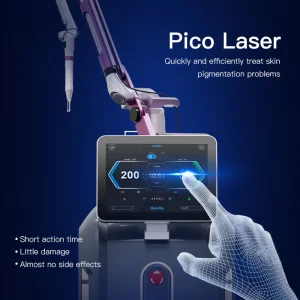
Nanosecond lasers rely primarily on photothermal action, heating target pigments to break them apart, which carries a higher risk of heat damage to surrounding skin. Picosecond lasers deliver energy in ultra-short pulses (trillionths of a second), generating a strong photomechanical effect that shatters pigment particles into a fine dust without significant thermal buildup, leading to faster clearance and fewer side effects.
Why is a flat-top beam profile important for clinical outcomes?
A flat-top beam profile distributes energy evenly across the entire spot area, preventing hot spots in the center. This reduces the risk of epidermal injury and blistering, while ensuring that the edges of the spot receive sufficient energy to trigger pigment breakdown.
What certifications do your manufacturing facilities hold?
Guangdong Habitue Beauty Co., Ltd. operates under ISO 13485 quality systems. Our aesthetic laser systems hold CE certificates, and we provide comprehensive electrical safety and EMC test reports to support international imports.
How does the active cooling system protect the optical crystal?
Our systems use active dual-loop cooling with copper radiators and high-flow pumps to keep the temperature of the Nd:YAG rod stable. This prevents thermal lensing, which can cause beam misalignment and pulse energy fluctuations.
What options do you offer for OEM and ODM projects?
We provide full customization options, including industrial casing design, custom GUI colors and branding, software control features, and tailored optical configurations (such as specific wavelengths or custom-designed handpieces).
What is the purpose of the Honeycomb/Fractional lens?
The Honeycomb or Fractional lens uses Diffractive Optical Elements (DOE) to divide the laser beam into a grid of high-intensity micro-beams. This creates laser-induced optical breakdown (LIOB) within the dermis, stimulating collagen growth while leaving the surrounding tissue undamaged for faster healing.
How do you guarantee safe transport for delicate optical systems?
We package all laser systems in robust, custom-built export crates with high-density shock-absorbing foam. Optical arms are secured separately to prevent movement, and machines are wrapped in moisture-barrier film to protect against humidity.
What is the typical lifespan of the laser flashlamp?
Our high-quality flashlamps typically deliver 1 million to 2 million shots before requiring replacement. Regular water filter replacement and maintaining stable room temperatures can help extend flashlamp life.
How does your factory handle post-warranty support and spare parts?
We provide long-term support for all machines, maintaining a stock of key spare parts (flashlamps, rods, lenses, power boards) for quick dispatch. Our technical support team is available via online video for troubleshooting and calibration guidance.
What training options are available for new buyers?
Guangdong Habitue Beauty provides complete user manuals, video training materials, and step-by-step setup guides. We also offer live video training sessions for technical staff to cover operation, calibration, and routine maintenance procedures.
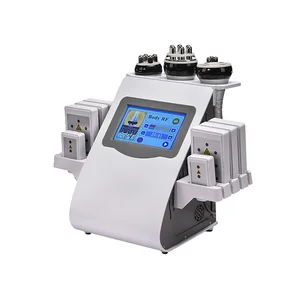
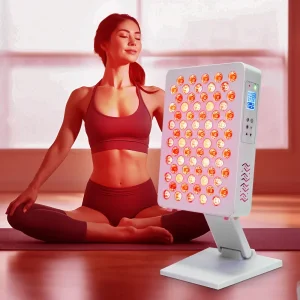
Advanced Multi-Technology Portfolios
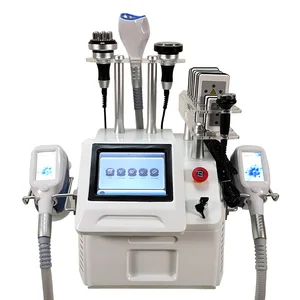
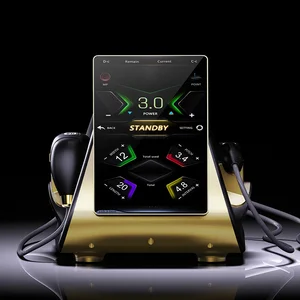
Explore our wider range of medical, body contouring, and advanced skin care systems built with the same focus on quality.
 Habitue Beauty