Why Does My Skin Look Darker After IPL Photofacial?

Time:2026-09-12 Author:Aria
0%

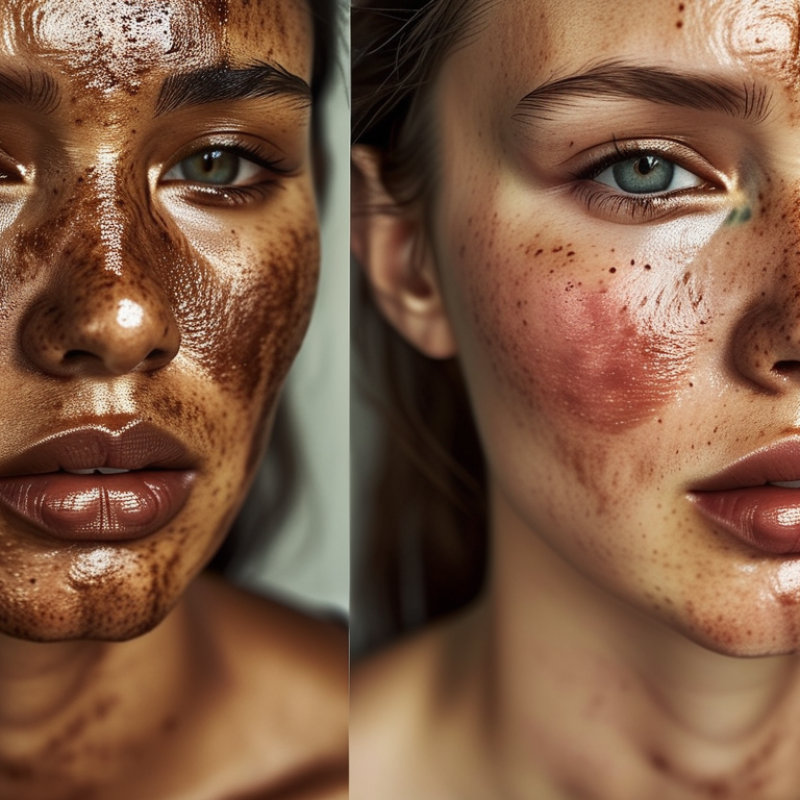
Why does my skin look darker after IPL photofacial? This question often appears after a patient notices brown spots looking deeper, sharper, or almost pepper-like. IPL uses controlled light energy to target melanin and blood vessels. After treatment, pigmented areas may temporarily darken before they shed naturally. Tiny brown flakes can appear across the cheeks, nose, or forehead. This response is often called pigment “coffee grounding,” although the skin should not feel severely painful.

Dermatologist Dr. Dendy Engelman explains, “IPL targets pigment, and that pigment can look darker before it flakes away.” This change may reflect the intended treatment response, but it is not a guarantee of safe healing. Redness, warmth, swelling, or sensitivity can also make the complexion appear darker. Deeper skin tones may face a higher risk of post-inflammatory hyperpigmentation, especially after excessive energy, sun exposure, or picking.

The appearance can be unsettling. I would not call every darkening reaction normal. A qualified provider should review persistent discoloration, blistering, intense pain, spreading swelling, or oozing. Avoid scrubbing, peeling flakes, tanning, and unapproved brightening products during recovery. Use gentle cleansing, moisturization, and broad-spectrum sunscreen as directed. Results also depend on the device, settings, skin type, and operator experience. This guide explores why does my skin look darker after ipl photofacial, what healing can look like, and when professional assessment becomes necessary. Sometimes, patience helps. Sometimes, reassessment matters more.

Why Does My Skin Look Darker After IPL Photofacial?

What Causes Skin to Look Darker After an IPL Photofacial?

Why Does My Skin Look Darker After IPL Photofacial?

After an IPL photofacial, treated pigment can temporarily look darker. The light targets melanin, a natural pigment in the skin. Absorbed energy heats melanin-containing cells. These spots may appear brown, gray, or nearly black before they gradually shed. The American Academy of Dermatology identifies this temporary darkening as a possible form of post-inflammatory hyperpigmentation, especially after skin inflammation or injury.

Skin may also look darker because of redness, mild swelling, dryness, or tiny crusts. These changes can create shadows across the cheeks and forehead. A 2022 review in Dermatologic Surgery reported pigment alteration as a recognized adverse effect of light-based treatments. Clinical reports also show higher hyperpigmentation risk in Fitzpatrick skin types IV to VI. The response depends on wavelength, energy settings, sun exposure, and individual melanin activity.

It should not hurt severely. That matters. Increasing pain, blisters, spreading swelling, or gray-white patches need prompt medical assessment. The U.S. Food and Drug Administration lists burns, pigment changes, and scarring among potential risks for intense pulsed light devices. Avoiding tanning and daily broad-spectrum sunscreen can reduce further darkening. Still, sunscreen alone cannot correct an overly aggressive treatment. Sometimes the cause is not obvious. A qualified clinician should review photographs, settings, skin type, and aftercare before another session.

Why Does My Skin Look Darker After IPL Photofacial?

Common reasons for temporary or persistent darkening after an IPL photofacial. Individual healing times vary according to skin type, treatment settings, sun exposure, and the condition treated.
Possible cause Typical timing What it may look like Why it happens General care approach
Darkening of treated pigment Within 1–3 days Freckles, sun spots, or other brown spots may appear darker and more sharply defined. IPL targets melanin. The pigment can temporarily become darker before it flakes or gradually clears during the healing process. Do not pick or scrub the area. Use gentle cleansing, moisturization, and broad-spectrum sunscreen. Dark spots commonly fade or shed over approximately 1–2 weeks, depending on the treated lesion.
Post-inflammatory hyperpigmentation Several days to weeks after treatment Flat tan, brown, gray-brown, or sometimes darker patches in areas that were irritated or inflamed. Inflammation can stimulate melanocytes to produce or transfer more melanin, especially in medium-to-deep skin tones or after excessive irritation. Strict sun protection is important. Avoid picking, harsh exfoliants, and irritating products. A qualified clinician can recommend appropriate pigment treatment if discoloration persists.
Crusting, peeling, or dried surface debris About 2–7 days Small brown dots, dry patches, or a darker “peppered” appearance. Treated pigment and superficial skin debris can dry as part of the normal healing response. Let the skin shed naturally. Apply a bland moisturizer and avoid scratching, waxing, or abrasive exfoliation until the surface has healed.
Recent or ongoing sun exposure During the first days to weeks after IPL The treated area may look more tan overall, or existing brown patches may become more noticeable. Ultraviolet and visible light can increase melanin production and may worsen post-treatment pigmentation. Use a broad-spectrum, water-resistant sunscreen with SPF 30 or higher, reapply as directed, seek shade, and use protective clothing. Follow the treating professional’s sun-avoidance instructions.
Treatment performed on tanned or recently exposed skin Immediately or within several days Uneven darkening, stronger redness, blisters, or sharply demarcated patches may occur. Tanned skin contains more melanin, which can absorb IPL energy and increase the risk of excessive heating or pigment changes. Contact the treating professional for individualized advice, particularly if there is significant pain, blistering, or rapidly worsening discoloration. Avoid additional light-based treatment until assessed.
Melasma or hormonally influenced pigmentation Weeks after treatment or after repeated exposure Symmetrical tan-to-brown patches, commonly on the cheeks, forehead, upper lip, or jawline. Melasma is sensitive to heat and light. IPL may not be appropriate for every person with melasma and can sometimes be followed by recurrence or worsening. Arrange an evaluation with a dermatologist or qualified medical professional before further treatments. Consistent light protection is essential.
Skin irritation or thermal injury Immediately to several days Intense or persistent redness, swelling, tenderness, blisters, erosions, or dark patches following inflammation. Excessive heat, unsuitable settings, overlapping pulses, or individual sensitivity can cause more inflammation than expected. Contact the provider promptly for assessment. Do not apply unapproved acids, retinoids, bleaching agents, or home remedies to damaged skin.
Underlying medication or skin-condition sensitivity Variable Unexpected irritation, prolonged redness, or discoloration compared with previous treatments. Some medicines and active skin conditions can increase photosensitivity, inflammation, or healing problems. Suitability depends on the specific medication and medical history. Tell the treating professional about all medicines, supplements, recent procedures, and skin conditions. Do not stop a prescribed medicine without medical advice.
When to seek medical advice: Contact the treating professional if darkening is rapidly worsening, lasts longer than expected, or is accompanied by severe pain, spreading redness, marked swelling, pus, fever, blistering, or open skin. These signs may indicate a complication rather than routine pigment darkening.

How IPL-Induced Pigmentation Changes Develop

Why Does My Skin Look Darker After IPL Photofacial?

How IPL-Induced Pigmentation Changes Develop

After an IPL photofacial, skin may look darker for several different reasons. Intense light is absorbed by melanin, creating controlled heat inside pigmented areas. These spots can briefly appear deeper brown, red-brown, or almost gray. The pigment may then rise toward the surface as the skin repairs itself. This process often develops over several days, not immediately. Mild swelling, warmth, and tightness can make the color look stronger under bathroom lighting.

The pattern is not always predictable. A 2023 review in Lasers in Medical Science reported post-inflammatory hyperpigmentation rates from 0% to 31% across IPL studies, depending on skin tone, treatment purpose, settings, and follow-up time. That range matters. One number cannot represent every patient. The American Academy of Dermatology also identifies inflammation, sun exposure, and skin injury as common triggers for darker marks. In practical terms, recent tanning, aggressive exfoliation, or excessive treatment heat may increase pigment activity. Darker skin tones require particular caution because melanin competes with the intended target for light absorption. This is where careful assessment matters.

Pigment usually fades gradually, but stubborn discoloration can persist. Sometimes the “darkening” is only temporary bronzing. Sometimes it is true post-inflammatory hyperpigmentation. Those conditions can look similar at first. A qualified clinician should review worsening pain, blistering, spreading redness, or pigment that continues expanding. My own reflection is simple: faster treatment is not always better treatment. The skin’s response deserves time.

When Darkening Is a Normal Part of Skin Recovery

Why Does My Skin Look Darker After IPL Photofacial?

When Darkening Is a Normal Part of Skin Recovery

After an IPL photofacial, brown spots may look darker before they fade. Light energy targets melanin, creating tiny pigment particles in the skin. These spots can resemble coffee grounds for several days. Most gradually flake or lighten within 7 to 14 days. The American Academy of Dermatology notes that temporary pigment changes can occur after light-based procedures.

Published IPL studies report post-inflammatory hyperpigmentation rates ranging from below 1% to above 20%. Results vary with skin tone, treatment settings, sun exposure, and the treated condition. Darker skin types may carry greater risk. A 2022 review in Lasers in Medical Science also emphasized careful patient selection and conservative settings. I would not call every darkening normal. Severe pain, blistering, spreading discoloration, or pus requires prompt medical assessment.

Tips: Do not pick or scrub the dark spots. Use broad-spectrum SPF 30 or higher each morning. Avoid tanning, hot showers, exfoliating acids, and retinoids until the skin settles. Keep the area gently moisturized. A qualified clinician should review your skin type, medicines, recent sun exposure, and history of pigmentation problems. Patch testing can reduce surprises, although it cannot remove every risk. My own caution is simple: fading should be gradual, not increasingly painful.

How to Tell Post-IPL Darkening From a Complication

Why Does My Skin Look Darker After IPL Photofacial?

How to Tell Post-IPL Darkening From a Complication

After IPL, brown spots may look darker before they fade. This often reflects pigment absorbing light and forming tiny surface crusts. The area may resemble pepper sprinkled across the cheeks. Mild redness, warmth, and tightness can occur during the first 24 hours. Dark spots usually soften within seven to fourteen days. Avoid picking them.

The warning signs are different. Diffuse gray-brown discoloration, intense pain, blistering, weeping, or swelling can indicate a thermal injury. Darkening that continues beyond two weeks also deserves professional assessment. The U.S. Food and Drug Administration lists burns, pigment changes, and scarring among possible light-based treatment risks. Published reviews in Dermatologic Surgery report post-inflammatory hyperpigmentation rates ranging from under 1% to about 20%, depending on skin tone, settings, and treatment area.

Darker skin tones may carry greater pigment-change risk, especially after recent sun exposure. A careful clinician should review tanning history, medications, and previous reactions before treatment. In practice, the hardest mistake is labeling every dark mark a burn. I have seen photographs exaggerate redness and make normal crusting look alarming. Still, uncertainty matters. Photograph the area daily in the same lighting, use gentle cleansing, and contact the treating clinician if pain increases or blisters appear. Do not apply strong acids or bleaching products without medical guidance.

What Steps Can Help Prevent and Manage Darker Skin After IPL?

Why Does My Skin Look Darker After IPL Photofacial?

What Steps Can Help Prevent and Manage Darker Skin After IPL?

Skin can look darker after an IPL photofacial when treated pigment rises toward the surface. This response may appear as brown spots, mild redness, or tiny crusts. It often fades within one to two weeks, but healing varies by skin tone, treatment strength, and sun exposure. A qualified medical professional should assess unexpected or persistent changes.

Tips: Protect your skin daily with broad-spectrum SPF 30 or higher. Reapply it outdoors, even on cloudy days. Stay away from direct sunlight, tanning beds, hot showers, saunas, and intense exercise for several days. Use a gentle cleanser and a plain moisturizer. Avoid scrubs, retinoids, acids, and fragranced products until your provider approves them. Do not pick or peel darkened spots. That can increase irritation and prolong discoloration.

Cool compresses may reduce warmth during the first day. Follow the aftercare instructions from your licensed provider, because device settings and skin needs differ. I used to think stronger products would speed recovery, but irritated skin often darkens further. That assumption can backfire. Contact your provider if you notice blistering, severe pain, spreading redness, pus, or darkening that continues beyond the expected healing period. A dermatologist may recommend a safer treatment plan after examining your skin.

FAQS

Why can my skin look darker after an IPL photofacial?

Light energy heats melanin in pigmented areas. Spots may appear brown, red-brown, gray, or temporarily darker.

How long does normal darkening usually last?

Dark spots often soften, flake, or lighten within seven to fourteen days. Fading should be gradual.

What might normal IPL recovery look like?

Spots can resemble coffee grounds or pepper across the cheeks. Mild redness, warmth, tightness, and slight swelling may occur.

Should I pick or scrub the dark spots?

No. Let the surface shed naturally. Use gentle cleansing, light moisturizer, and broad-spectrum SPF 30 or higher.

What should I avoid while my skin settles?

Avoid tanning, hot showers, exfoliating acids, retinoids, and harsh scrubbing. These may increase irritation and pigment activity.

When could darker skin indicate a complication?

Increasing pain, blistering, pus, weeping, or spreading redness needs prompt professional assessment. Diffuse gray-brown color also deserves attention.

Does skin tone affect the risk of post-IPL darkening?

Yes. Darker skin contains more melanin, which can absorb more light. Conservative settings and careful assessment matter.

Can recent sun exposure make darkening worse?

Recent tanning may increase pigment activity and treatment sensitivity. Tell the clinician about sun exposure before treatment.

Can I tell temporary bronzing from true hyperpigmentation?

Not always. Both may look similar initially. Persistent or expanding discoloration needs a qualified clinician’s review.

How can I monitor the change at home?

Photograph the area daily in the same lighting. Bathroom lights can exaggerate color. My caution: faster fading is not always better.

Conclusion

Many people ask, “why does my skin look darker after ipl photofacial?” Temporary darkening can occur because intense light energy targets excess pigment in the skin, causing pigmented spots to become more noticeable before they gradually fade or flake away. Mild redness, warmth, dryness, or uneven color may also appear as part of the skin’s natural recovery process. These changes often improve as the treated area heals, but the timeline can vary depending on skin type, treatment intensity, sun exposure, and individual healing.

It is important to distinguish normal post-treatment pigmentation changes from a possible complication. Darkening that continues to spread, becomes increasingly painful, blisters, develops significant swelling, or does not improve should be assessed by a qualified professional. To support recovery, protect the skin from sunlight, use broad-spectrum sunscreen, avoid picking or scrubbing the treated area, follow aftercare instructions, and pause irritating skincare products until the skin feels comfortable. Careful treatment settings and professional guidance can also help reduce the risk of unwanted pigmentation.

Aria

Aria

Aria is a dedicated marketing professional with a deep passion for innovative strategies and a keen understanding of our company's product offerings. With a wealth of experience in the industry, Aria excels at crafting engaging content that highlights the unique features and benefits of our......