How to prevent skin burns during 4d cavitation treatments begins with one fact: “4D cavitation” is not a globally standardized medical term. Device output, handpiece design, and treatment protocols can differ widely, especially across Chinese manufacturers. The U.S. Food and Drug Administration warns that therapeutic ultrasound can cause tissue heating, burns, or other injuries when used incorrectly. Its Ultrasound Imaging guidance also stresses operator training, equipment safety, and controlled exposure. These principles matter during body-contouring sessions.
Dr. Michael H. Gold, a dermatologist and energy-device educator, often summarizes safe energy treatment in one sentence: “The goal is controlled energy, not maximum energy.” That idea should guide every session. Keep the handpiece moving. Avoid prolonged contact over one spot. Check the skin repeatedly, particularly around bony areas, thin tissue, scars, and irritated skin. Cooling gel should cover the treatment zone evenly. A sudden sharp heat, stinging sensation, or persistent redness is not a normal target.
Industry evidence also deserves careful interpretation. The American Society for Dermatologic Surgery’s consumer surveys show continued demand for noninvasive body treatments, but they do not prove that every cavitation device is equally safe. The International Society of Aesthetic Plastic Surgery reports rising global interest in nonsurgical procedures, while adverse-event reporting remains inconsistent across markets. That gap is important.
A qualified practitioner should record device settings, skin response, and treatment duration. Patch testing may help, although it cannot guarantee safety. I would not promise zero risk. Real practice is less tidy than advertising suggests. Skin varies, machines vary, and operators sometimes misjudge heat. Careful monitoring remains the strongest defense.
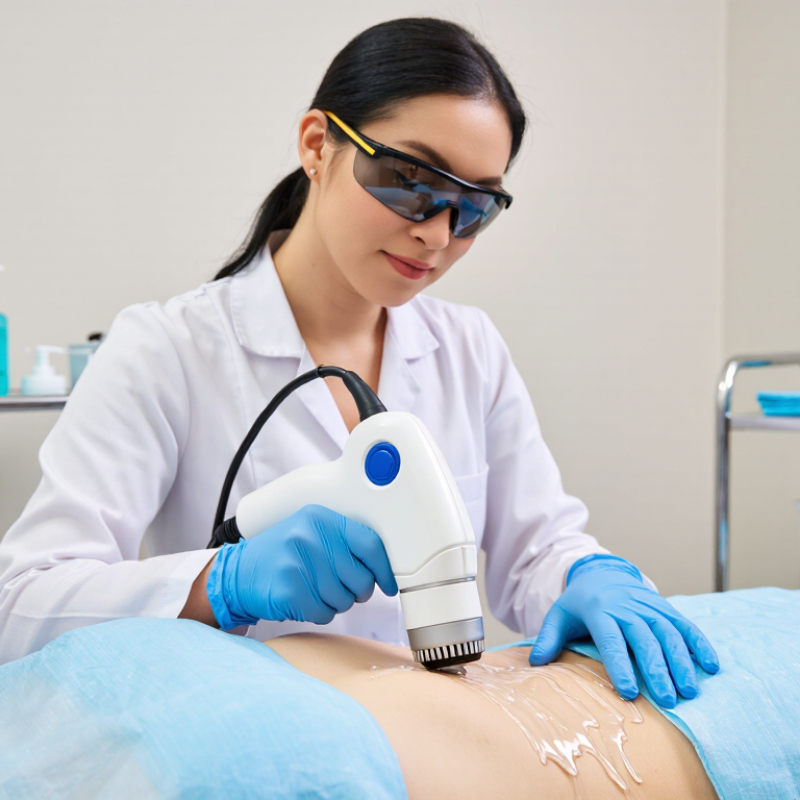
Verify 4D Cavitation Devices Against IEC 60601-2-5 and ISO 14971
How to Prevent Skin Burns During China Top 4D Cavitation?
For a 4D cavitation device made in China, safety verification should go beyond supplier claims. Ask for test reports related to IEC 60601-2-5, where applicable, and review the exact model number. This standard addresses ultrasonic physiotherapy equipment safety, but cosmetic cavitation may require additional evaluation. Do not treat a certificate as automatic proof of safe treatment.
ISO 14971 helps manufacturers identify and control risks, including excessive heat, poor handpiece contact, prolonged exposure, and unexpected power output. A reliable technical file should show hazard analysis, thermal testing, software controls, and corrective actions. During practical reviews, inspect whether the device monitors temperature and limits treatment time. Skin can feel comfortable at first, then develop redness several minutes later. That delay is easy to underestimate.
Tips: Keep the handpiece moving. Use suitable coupling gel. Follow tested energy settings. Check the skin repeatedly. Stop when unusual heat or pain appears. Confirm operator training and maintenance records. Ask for calibration evidence, not only marketing documents. No checklist is perfect. Human judgment still matters, especially when skin sensitivity, hydration, or treatment pressure changes. Some documentation may look complete while missing real-world testing, so independent assessment remains valuable.
Confirm Frequency, Intensity, and Exposure Time Match Manufacturer Data
How to Prevent Skin Burns During China Top 4D Cavitation?
Safe cavitation begins with verified operating data, not guesswork. Check the handpiece frequency, intensity range, and maximum exposure time against the manufacturer’s instructions. Do not copy settings from another device. Two machines may display similar numbers but deliver different energy. Confirm calibration records and inspect the applicator before treatment. Cracks, poor contact, or unstable output can create concentrated heating.
During treatment, keep the applicator moving at a steady speed. Avoid holding it over one spot, especially near thin skin or bony areas. Start with conservative intensity and increase only when the client responds normally. Ask about heat, stinging, and unusual discomfort. Redness can be expected, but sharp pain is not. Stop immediately if the skin becomes very hot, pale, blistered, or intensely painful. My view has changed over time: a stronger setting does not automatically produce a better result.
Tips: Record frequency, intensity, exposure time, treatment area, and skin response after every session. Use a timer instead of estimating seconds. Keep the contact medium even, and check the skin between passes. If the manufacturer’s data is unclear, pause treatment and seek qualified technical guidance. Small errors matter. Proper training, clear records, and honest reassessment protect both skin and treatment quality.
Maintain Skin Temperature Below 42°C With Continuous Thermal Monitoring
During 4D cavitation treatments, controlling skin temperature is a practical safety priority, not a technical afterthought. Energy movement can warm tissue quickly, especially over bony areas or thin skin. Keep the surface temperature below 42°C throughout treatment. That limit needs continuous checking.
A trained operator should use a calibrated thermal sensor and record readings during each pass. Do not rely on the device display alone. Skin temperature may change after gel spreads, pressure increases, or the applicator pauses. Check the skin before treatment, during movement, and immediately after finishing each area. If readings approach 42°C, reduce intensity, keep the handpiece moving, or stop briefly. Persistent heat, stinging, unusual redness, or tenderness requires stopping the session and assessing the skin. Never treat through numbness, because discomfort may be the first warning.
Good technique also depends on even contact and sufficient coupling gel. Slow, repeated passes over one spot can create avoidable hot areas. I have found that hurried monitoring is easy to misread. A single safe reading does not prove the whole treatment stayed safe. Record maximum temperature, treatment time, skin response, and any adjustments. Review those notes before future sessions, and question settings that produce repeated heat. Temperature control protects comfort, but it cannot replace professional training or proper client screening.
Limit Treatment Passes and Recheck Skin Every 5 Minutes
How to Prevent Skin Burns During China Top 4D Cavitation?
Limit treatment passes and recheck the skin every five minutes. That rule is simple, but operators sometimes ignore it when results appear slow. Keep the applicator moving at a steady pace. Never hold it over one spot. Excessive energy, repeated passes, and poor contact can concentrate heat in superficial tissue.
The U.S. FDA identifies burns and tissue damage as possible risks of therapeutic ultrasound. The AIUM also stresses operator training, controlled exposure, and continuous observation. Use the lowest effective setting, especially on thin skin, scars, or areas with reduced sensation. Ask the client about heat, stinging, or sharp discomfort. Stop immediately if redness becomes intense, patchy, or painful. Check the skin at five-minute intervals, then record its color, temperature, and client feedback. A cool coupling medium may improve contact, but it cannot correct excessive energy.
Published reviews of non-invasive body-contouring treatments commonly describe temporary redness and swelling as frequent effects, while blistering and burns remain uncommon but clinically important. Exact risk rates vary between devices and study protocols. That uncertainty matters. Do not copy settings from another machine or assume every client tolerates the same exposure. In practice, I would rather make one cautious pass too few than create a preventable injury. The treatment may feel slower. Skin safety comes first.
Safety principle: Limit treatment passes over the same area and reassess the skin at least every 5 minutes. Stop treatment immediately if unusual heat, persistent redness, pain, blistering, or other abnormal skin changes appear. Always follow the device instructions and qualified clinical judgment.
Stop at Pain or Redness; Cool the Area for 20 Minutes and Refer Burns
How to Prevent Skin Burns During China Top 4D Cavitation?
Safe cavitation treatment starts with constant skin observation. Pain is not proof that the energy is working. Stop immediately if the client reports sharp heat, stinging, or unusual discomfort. Redness also matters, especially when it appears quickly or spreads beyond the treatment area. Experienced practitioners should check the skin before, during, and after each pass. Treatment settings, gel coverage, movement speed, and skin sensitivity all influence risk. A rushed session can hide early damage. I have learned that “almost comfortable” is not always comfortable enough.
Tips:
Stop at pain or redness. Move the handpiece away and inspect the area. For suspected heat injury, cool the skin with clean, cool running water or a cool damp cloth for 20 minutes. Do not apply ice, oils, alcohol, or perfumed products. Do not break blisters. Cover the area loosely with sterile, non-stick material if needed. Refer the client for prompt medical assessment when blistering, severe pain, swelling, numbness, pale or darkened skin, or an open wound appears. Refer facial, genital, extensive, or worsening burns without delay. Keep treatment records, including settings and exposure time. These details support safer follow-up and professional review.
Conclusion
To understand how to prevent skin burns during 4d cavitation treatments, begin by confirming that the device has been assessed against IEC 60601-2-5 and ISO 14971 requirements. Before treatment, check that the selected frequency, intensity, and exposure time match the manufacturer’s instructions. Continuous thermal monitoring is essential, and skin temperature should remain below 42°C throughout the procedure. Proper training and equipment checks can help reduce the risk of excessive heat or uneven energy delivery.
Treatment passes should be limited, with the skin inspected at least every five minutes for unusual warmth, discomfort, or redness. Stop immediately if the client reports pain or if visible irritation appears. If a burn is suspected, discontinue treatment, cool the area with appropriate measures for 20 minutes, and arrange professional medical evaluation or referral when necessary. Careful monitoring, conservative settings, and prompt action are key to maintaining client safety.
 Habitue Beauty
