What happens if you use a red light therapy mask every day? The answer depends on wavelength, energy dose, session length, and your skin’s sensitivity. Some users notice calmer redness, softer texture, or a temporary glow. Others notice dryness, warmth, irritation, or no visible change. Results are rarely immediate. Skin biology is slower than marketing suggests.
Dr. Michael R. Hamblin, a leading photobiomodulation researcher at Harvard Medical School, describes the therapy this way: “Photobiomodulation is the use of red or near-infrared light to stimulate healing, relieve pain, and reduce inflammation.” His explanation supports the biological potential, but it does not prove that daily mask use suits everyone. The device matters. So does the dose.
Industry data shows growing consumer interest. Grand View Research reported that the global LED light therapy market was valued at approximately $1.4 billion in 2023, with continued growth expected through 2030. However, market growth is not clinical proof. A 2023 systematic review in Photodermatology, Photoimmunology & Photomedicine found promising results for selected dermatological applications, while also noting inconsistent treatment protocols. That inconsistency deserves attention.
Daily use may be unnecessary.
The American Academy of Dermatology recommends following the manufacturer’s instructions and using FDA-cleared devices appropriately. Clear eyes, clean skin, and realistic expectations matter. Stop if burning, persistent redness, or swelling appears. People using photosensitizing medication should seek medical advice first. The research is encouraging, but incomplete. A glowing mirror may show progress, placebo, or both. Careful tracking remains wiser than blind repetition.
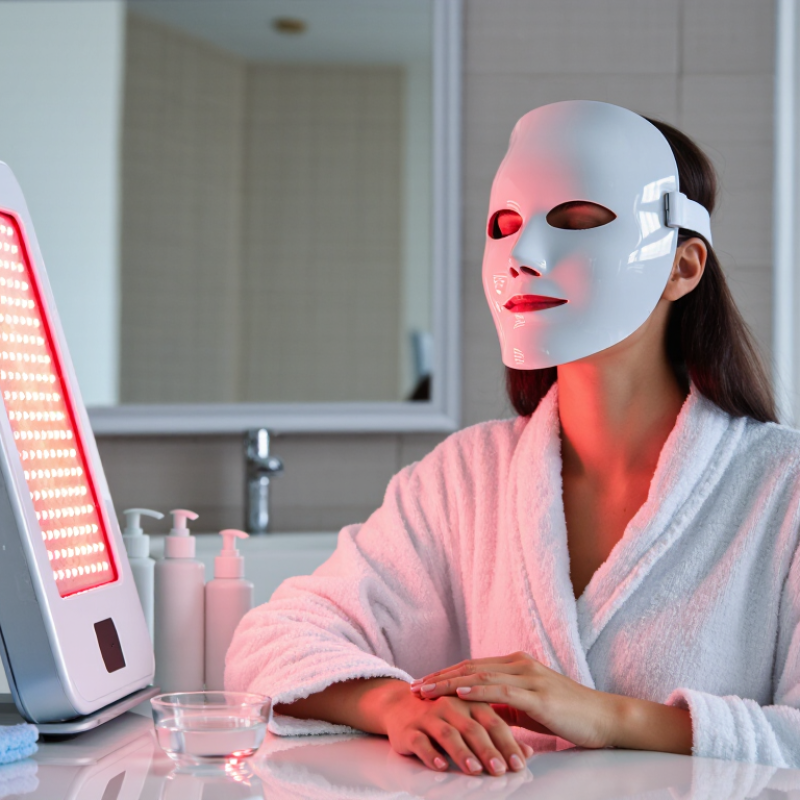
How Daily Red Light Therapy Affects the Skin
Using a red light therapy mask every day may support calmer, brighter-looking skin. Red and near-infrared light can stimulate cellular energy production and may encourage collagen activity. The effect is gradual, not dramatic overnight.
A 2023 systematic review in Photodermatology, Photoimmunology & Photomedicine examined 31 photobiomodulation studies. Treatment schedules ranged from twice weekly to daily sessions, usually lasting four to twelve weeks. Reported benefits included improved texture, fine lines, redness, and wound healing. However, the review also noted inconsistent devices, doses, and study quality. Not every day.
Daily use can become irritating when the mask feels hot or dry. I would watch for tightness, flushing, itching, or small bumps around the nose and cheeks. The American Academy of Dermatology recommends following the device instructions and protecting the eyes when required. More sessions do not automatically create better collagen results.
Skin response also depends on age, pigmentation, medications, and existing conditions. A person with sensitive skin may need two or three sessions weekly instead.
Take clear photographs beside the same window each month. That makes subtle changes easier to judge, although photographs can still mislead.
Consistency matters, but patience matters more.
What Changes May Appear During the First Few Weeks
What Happens If You Use a Red Light Therapy Mask Every Day?
During the first week, changes may feel small. Skin can look slightly brighter after treatment. Some users notice temporary warmth, tightness, or mild redness. These effects usually fade within an hour. Persistent irritation is not a normal progress signal.
By weeks two to four, texture may feel smoother. Dry patches can appear less obvious, but results vary widely. A 2023 systematic review in the Journal of Clinical Medicine found promising evidence for skin photobiomodulation, although studies used different wavelengths, doses, and schedules. Many clinical trials involved fewer than 60 participants. That makes dramatic promises hard to defend. My own caution is simple: a brighter mirror may reflect hydration, lighting, or skincare changes instead. Fine-line improvement usually needs longer observation, often eight to twelve weeks. Daily use may not improve results if the device delivers excessive exposure.
Tips: Follow the device’s timing instructions, rather than adding extra sessions. Cleanse gently and protect your eyes as directed. Photograph your face weekly under the same window light. Stop if redness, swelling, pain, or worsening pigmentation continues. The American Academy of Dermatology advises realistic expectations for at-home light devices. They can support a routine, but they do not replace professional assessment for persistent skin concerns.
What Happens If You Use a Red Light Therapy Mask Every Day?
Evidence-informed timing of changes that may appear during the first few weeks
Mild warmth or temporary redness may occur immediately after use. Some people notice improved skin hydration or a smoother feel after approximately 2–4 weeks of consistent use, while visible changes in fine lines generally take longer than the first few weeks. Individual results vary, and daily use should follow the device’s safety instructions.
The chart shows typical reported onset windows, not guaranteed results or clinical measurements.
Common Risks, Side Effects, and Safety Concerns
What Happens If You Use a Red Light Therapy Mask Every Day?
Common Risks, Side Effects, and Safety Concerns
Daily red light therapy is not automatically safer or faster. Most home masks use non-ultraviolet wavelengths, but repeated exposure can still cause temporary redness, warmth, dryness, or irritation. A 2023 systematic review in Photodermatology, Photoimmunology & Photomedicine reported mostly mild side effects, while long-term daily use remained poorly studied. That gap matters.
Watch your skin closely. If your cheeks feel hot, tight, or unusually sensitive after treatment, reduce the frequency. Stop using the mask if swelling, blistering, persistent redness, or eye discomfort appears. Some people may react more strongly because of rosacea, melasma, lupus, or sensitive skin. Photosensitizing medicines can also change the risk profile. Ask a dermatologist before use.
The American Academy of Dermatology notes that home devices are generally weaker than professional systems, but results and safety still depend on wavelength, power, distance, and exposure time. IEC 62471 evaluates photobiological safety by considering light intensity and exposure duration. However, a safety classification does not guarantee correct home use. The FDA’s MAUDE database contains device-related reports, yet voluntary reporting cannot measure true incidence. That limitation is easy to overlook. Follow the device instructions, avoid extending sessions, and never assume daily use is necessary. A clean mask and dry skin may also reduce irritation, though this point is less consistently studied.
How to Build a Safe Daily Treatment Routine
What Happens If You Use a Red Light Therapy Mask Every Day?
A daily routine may support gradual changes in skin texture, but more sessions do not guarantee faster results. Red light therapy can leave skin feeling warm, slightly tight, or mildly flushed. These effects should fade quickly. Persistent redness, burning, swelling, or discomfort means the routine needs a pause. I would not ignore those signals, even when the device seems gentle.
How to Build a Safe Daily Treatment Routine
Begin with clean, dry skin and follow the device’s stated treatment time. Avoid adding extra minutes because the mask feels comfortable. Use suitable eye protection when the instructions require it. Keep the mask clean, especially around the nose and chin. A simple schedule helps: use it at the same time each day, then record dryness, redness, and comfort. Daily use may be unnecessary for some people. The best frequency depends on the device, skin sensitivity, and treatment goal. Evidence is still developing, so modest expectations are sensible. Improvement may take several weeks, not several nights.
Tips: Test a short session before starting daily use. Avoid use over open wounds or active irritation. Ask a dermatologist before treatment if you take light-sensitive medication or have a diagnosed skin condition. Stop if symptoms worsen. Take photos under similar lighting, but remember that camera angles can mislead. That small detail matters.
Conclusion
What happens if you use a red light therapy mask every day? With consistent use, the skin may gradually appear calmer, smoother, and more even as red and near-infrared light supports natural cellular activity and circulation. During the first few weeks, some people may notice subtle changes such as improved brightness, softer texture, or reduced temporary redness, while others may need more time to see visible results. Daily use may also support collagen production, skin firmness, and the appearance of fine lines, although outcomes vary according to skin type, age, and routine.
Consistency is important, but more exposure does not always mean better results. Possible side effects include temporary warmth, dryness, irritation, headaches, or increased sensitivity, especially when the device is used incorrectly. A safe routine should follow the mask’s instructions, begin with shorter sessions if needed, protect the eyes when recommended, and keep the skin clean before treatment. People with light-sensitive conditions, those taking photosensitizing medication, or anyone with unexplained skin concerns should seek professional guidance before starting daily use.
 Habitue Beauty
