China Top Microdermabrasion Suction Loss Troubleshooting begins with one practical question: where does the airflow stop? Weak suction can reduce exfoliation, leave residue behind, and create inconsistent treatment results. The cause may be simple, such as a loose handpiece connection. It may also involve a blocked filter, cracked tubing, worn seal, or unstable vacuum pump.
Michael Chen, a biomedical equipment service specialist, explains, “Suction loss should be traced from the skin contact point back to the vacuum source, not guessed from the control panel.” This principle supports a safer method for technicians and clinic operators. To understand how to troubleshoot suction loss on microdermabrasion devices, inspect each section in sequence. Check the tip, hose, collection jar, filter, fittings, and pump response. Small details matter.
Not every diagnosis is clean. A device may sound normal while producing inadequate vacuum. A damp filter can look usable but restrict airflow. A nearly invisible split may appear only when the tubing bends. These faults are easy to overlook. They also show why maintenance records and controlled testing deserve attention. This guide examines practical checks for Chinese microdermabrasion equipment, including suction measurement, component inspection, cleaning limits, and replacement decisions. It also considers operator mistakes, because equipment failure is not always the machine’s fault. Careful troubleshooting reduces unnecessary part replacement and helps protect treatment consistency. Still, some problems require qualified service support. Knowing that boundary is part of professional practice.
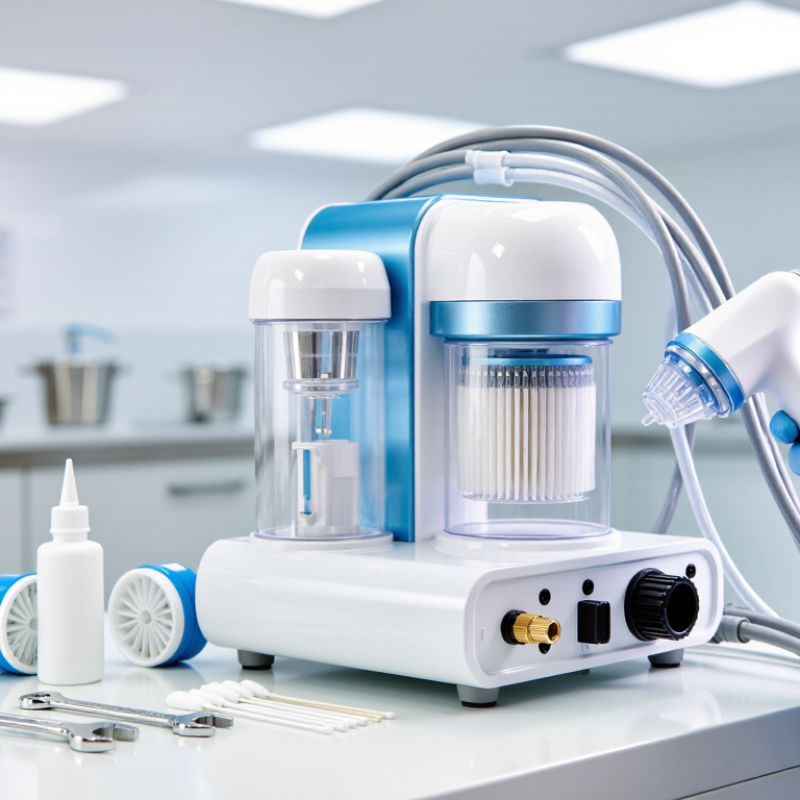
Understanding Common Causes of Microdermabrasion Suction Loss
China Top Microdermabrasion Suction Loss Troubleshooting?
Microdermabrasion suction loss usually begins with airflow resistance, not pump failure. The most common causes include a loose hose, cracked tubing, blocked filters, or a poorly seated handpiece tip. Check the collection jar first. A full jar can reduce negative pressure quickly. Examine the gasket for flattening, moisture, or skin debris. Small leaks matter.
The American Society for Dermatologic Surgery reported that 70% of surveyed consumers considered non-invasive treatments in its 2023 consumer survey. This growing demand increases daily device use and maintenance pressure. Grand View Research also projects continued growth in the microdermabrasion device market through 2030. More treatments mean more residue inside narrow channels. Clean the tip after every session, then inspect the filter according to the service manual. Do not guess.
Test suction with the hose disconnected from the handpiece. Strong airflow suggests a blocked tip or leaking connector. Weak airflow points toward the filter, pump, or internal valve. Listen closely. A pulsing sound may indicate unstable seals or a restricted inlet. I would not replace the pump immediately. That assumption wastes time and money. The U.S. FDA emphasizes following validated cleaning and maintenance instructions for reusable medical devices. Record suction checks, filter changes, and unusual noises. A simple log can reveal gradual decline before clients notice it.
Testing Airflow, Vacuum Pressure, and Power Supply Step by Step
China Top Microdermabrasion Suction Loss Troubleshooting?
Suction loss usually begins with airflow, not the motor. Switch off the unit and inspect the handpiece, hose, filter, and waste jar. A blockage often feels like weak pulling at the skin. Check every connection for cracks or loose seals. Measure airflow with a simple flow meter, if available. Compare the reading with the service manual, because suction limits vary by design. ISO 8573-1 highlights how contaminated air can reduce pneumatic equipment reliability. Dust and moisture matter.
Next, test vacuum pressure with a calibrated gauge connected directly to the suction port. Record the stable reading, then repeat it at the handpiece. A large difference suggests hose restriction or leakage. Do not judge performance by sound alone. The ASHRAE Handbook explains that loaded filters increase pressure loss and reduce system airflow. Replace the filter when pressure drops, not only when it looks dirty. I have seen clean-looking filters perform poorly. That detail is easy to miss.
Tips: Test the power supply last. Confirm the outlet voltage with a verified multimeter, then inspect the fuse, switch, and cable. IEC 60601-1 emphasizes electrical safety and leakage-control requirements for medical electrical equipment. Never bypass a fuse or open energized equipment. If voltage is correct but the motor remains weak, record airflow, vacuum, and voltage readings for qualified service staff. One imperfect reading can mislead the diagnosis. Recheck it.
Cleaning, Replacing, and Reconnecting Faulty Components
China Top Microdermabrasion Suction Loss Troubleshooting?
Cleaning, Replacing, and Reconnecting Faulty Components
When suction weakens, stop treatment and unplug the unit. Begin with the filter. A careful inspection often reveals a blocked filter, loose tube, or wet collection chamber. Remove the handpiece and check the nozzle under bright light. Fine powder can form a hard ring inside the opening. Clean removable parts with approved detergent, then dry them completely. Keep it dry. Never push debris deeper with a sharp tool. That mistake can damage seals.
Inspect the filter for dark discoloration, crushed edges, or moisture. Replace it when cleaning cannot restore airflow. A filter may look acceptable but still restrict suction. Check each connection by pressing tubing firmly onto its port. Small cracks near the ends deserve attention. Cut only the damaged section if enough length remains; otherwise, replace the tube. Reconnect the handpiece, chamber, filter, and pump in the same airflow direction. A reversed filter can make the machine sound normal while suction remains poor.
Turn the unit on briefly and test suction with a clean fingertip, not on skin. Listen for hissing around joints. Bubbles in a leak-test solution can expose a loose connection, but keep liquid away from electrical parts. If suction returns briefly and fades, inspect the chamber seal and pump inlet again. It is easy to blame the pump too early. The real fault may be a damp filter. Record the part changed and the test result. If airflow remains unstable, stop using the device and request qualified service, because repeated operation may overheat the pump.
China Top Microdermabrasion Suction Loss Troubleshooting: Cleaning, Replacing, and Reconnecting Faulty Components
Follow the troubleshooting sequence from the lowest-risk inspection to component replacement. The chart values show the recommended diagnostic sequence position, not failure rates or performance measurements.
Confirming Repairs and Preventing Future Suction Problems
China Top Microdermabrasion Suction Loss Troubleshooting?
A weak vacuum often begins with simple leaks, not a failed pump. Check the handpiece, tubing, filter, collection bottle, and sealing ring. A loose connection may sound like a soft whistle during operation. Inspect each joint under bright light. Even a small crack can reduce suction noticeably.
After repairs, test the machine before treating anyone. Run it with a clean, empty collection bottle. Watch the vacuum gauge for stable readings. Move the handpiece across a smooth surface and check for consistent airflow. I have seen repairs pass a quick test, then fail after several minutes. Heat, moisture, or a poorly seated gasket can expose that mistake. Record the test result, replaced parts, and operating time. This creates useful evidence for future service decisions.
Tips: Clean the filter after each treatment. Replace blocked filters promptly. Keep tubing dry and gently coiled. Do not overtighten plastic fittings. Schedule professional inspection when suction remains unstable. A maintenance log also helps reveal repeated problems. Small details matter. Perfect prevention is unlikely, but regular checks reduce surprises. Recheck the machine after storage, especially when it has remained unused for several weeks.
Conclusion
Microdermabrasion suction loss can result from several common issues, including a blocked filter, loose tubing, an improperly sealed collection chamber, a damaged handpiece, or an unstable power supply. This guide explains how to troubleshoot suction loss on microdermabrasion devices by inspecting each component in a logical order. Start by checking the handpiece, tubes, filters, and collection chamber for cracks, blockages, moisture, or incorrect connections. Then test airflow and vacuum pressure while observing whether the motor operates normally and receives consistent power.
Once the source of the problem is identified, clean or replace clogged filters, remove buildup from the tubing, reconnect loose fittings, and install damaged components when necessary. After completing the repair, run the device briefly and confirm that suction is stable, airflow is smooth, and no leaks are present. Regular cleaning, timely filter replacement, proper storage, and routine inspection can help prevent future suction problems and maintain reliable performance.
 Habitue Beauty
